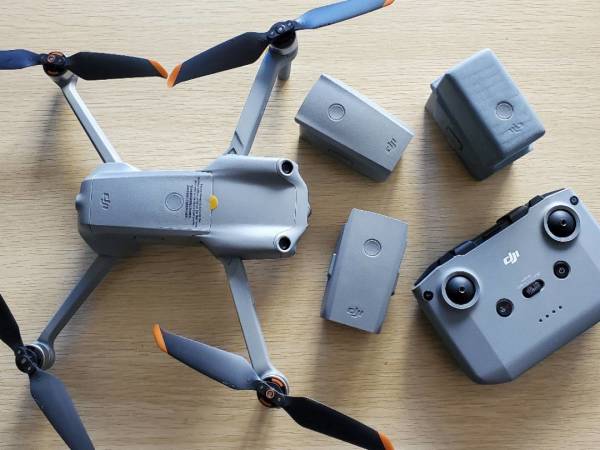
Drones have revolutionized the way we capture stunning visuals and explore the skies. At the heart of this aerial innovation is the FPV drone controller. This pivotal device acts as the bridge between you and the machine gliding across the sky. Whether you’re piloting a racing drone or capturing breathtaking landscapes, understanding how your FPV drone controller works is crucial to mastering the art of flying.
The FPV drone controller is designed to provide precise control over your drone’s movements. Central to this is its capability to offer real-time first-person view footage, allowing pilots to navigate and perform maneuvers with unparalleled accuracy. With advances in technology, FPV controllers now come equipped with features like adjustable gimbals, diverse connectivity options, and customizable settings to enhance the flying experience.
Let’s delve deeper into some elements that make FPV drone controllers impeccable tools for aerial success:
Key Features and Specifications
- Ergonomic Design: A well-designed FPV controller fits comfortably in the pilot’s hands, reducing fatigue during lengthy flights. Manufacturers often incorporate textured grips and adjustable sticks to ensure a seamless grip.
- Advanced Connectivity: Modern FPV controllers often support 2.4GHz and 5.8GHz frequencies, providing stable and interference-free connections, essential for maintaining control over vast distances.
- Adjustable Gimbals: Gimbals are the joystick controls that command the drone’s flight path and behavior. These are often customizable, allowing pilots to tune the sensitivity they require for specific flying styles.
- Telemetry Data: Real-time data ensures that pilots can monitor flight statistics such as altitude, speed, battery level, and more. This information can be pivotal in making savvy in-flight decisions.
- Customizable Interfaces: Tailor your controller interface to match your flying style. Many models allow adjustments to button configurations, stick tension, and even software-based settings to enhance usability.
Choosing Your Ideal FPV Drone Controller
When selecting an FPV drone controller, consider your drone type, flying style, and specific needs. Some controllers are tailored for long-distance flying, while others focus on maneuverability necessary for racing drones. Investing in a controller that offers firmware updates can also ensure that it remains compatible with new advancements in drone technology.
Budget is a consideration, but the investment in a superior controller can improve your proficiency and confidence as a drone pilot. Test different models if possible at stores or drone meets to find the one that best suits your comfort and control preferences.
Popular Brands and Models
Brands like FlySky, FrSky, and Spektrum have established their reputation in the FPV drone community for producing reliable and high-performance controllers. Models such as the FrSky Taranis X9D Plus and the Spektrum DX6 offer customizable features that accommodate both amateur pilots and seasoned experts.

Maintenance and Upkeep
Regular maintenance is crucial to ensuring the longevity and optimal performance of your FPV drone controller. Simple practices such as cleaning dust from connections, updating firmware, and checking for wear and tear on gimbals can prevent unforeseen flight issues.
FAQs
What is the range of an FPV drone controller?
The range depends on the model and conditions. Typically, FPV controllers can offer from 1 to 10 km depending on environmental factors and transmission power.
Can I use any FPV controller with my drone?
It’s essential to check compatibility. Most drones require controllers that transmit on specific frequencies and protocols. Verify your drone’s specifications before purchasing a new controller.
Why does the controller affect drone performance?
The controller dictates the responsiveness of the drone. A high-quality FPV drone controller ensures smoother piloting and more reliable maneuvering, enhancing the overall flying experience.