
In today’s rapidly changing technological landscape, drone imagery has become a transformative tool in unlocking the sky’s potential. Unlike traditional photography, drone imagery allows the capturing of breathtaking aerial views, providing insights and perspectives that were once unattainable. Drones equipped with high-quality cameras are redefining visual storytelling by offering unique angles and expansive views. This technology has found applications in various industries, including real estate, agriculture, and cinematography, where capturing large swathes of land or a cinematic sunset can make all the difference.
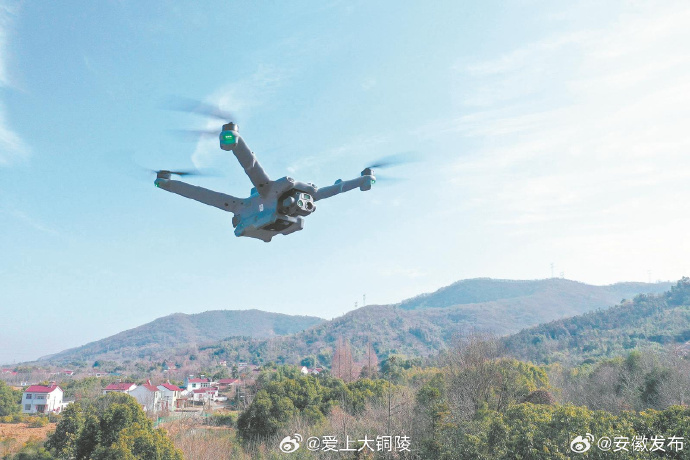
The Impact of Drone Imagery
Drone imagery not only offers aesthetic value but also practical utility. In real estate, aerial images give potential buyers a comprehensive view of property layouts and neighborhood surroundings, enabling informed decisions. Agriculturalists use drones to monitor crops, assess health, and optimize irrigation, enhancing productivity and sustainability. Moreover, in the film industry, drone cinematography has revolutionized dynamic shot creation, allowing directors to create breathtaking sequences without the limitations of cranes or helicopters.
Expanding Possibilities
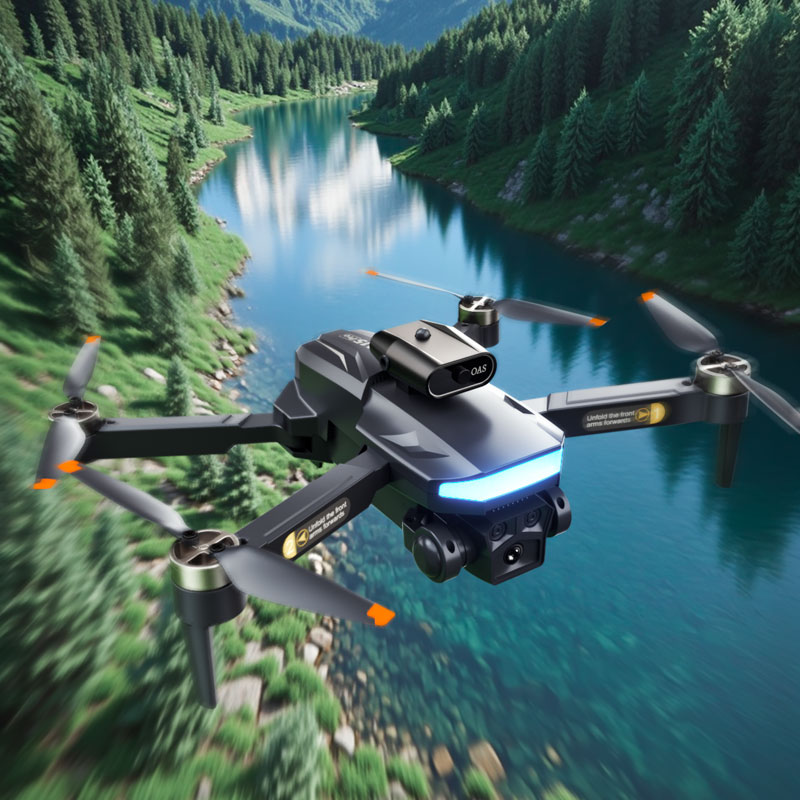
The art of drone imagery extends beyond the commercial sphere. Conservationists utilize drones to monitor wildlife and track environmental changes, ensuring that delicate ecosystems remain undisturbed. Meanwhile, hobbyists find joy in capturing the world from new heights, as drones afford flexibility and creative exploration. Whether for professional or personal use, drone imagery empowers individuals to step into vistas previously out of reach.
Cultural and Artistic Influence
Drones have introduced a cultural shift in photography and cinematography, emphasizing aerial artistry. This has led to innovations in storytelling techniques, influencing how narratives are constructed. Photographers explore themes of scale and distance, showcasing humanity’s relationship with nature through stunning visuals. As drone technology advances, artists continue to push boundaries, finding new ways to excite and inspire audiences globally.
Challenges and Considerations
Despite its advantages, drone imagery isn’t without challenges. Operators must navigate regulatory frameworks, ensuring compliance with airspace laws and privacy concerns. The risk of drones affecting wildlife or invading personal privacy is acute, requiring conscientious operation and ethical guidelines. Nevertheless, these challenges fuel ongoing discussions and innovations to advance responsible drone use.
FAQs
What are drones used for in photography?
Drones are used to capture aerial imagery, offering unique perspectives that conventional photography cannot provide. They’re employed in various sectors for their ability to present expansive and detailed views.
Is drone imagery legal everywhere?
Drone legality varies worldwide. Countries have different regulations regarding drone operation, particularly concerning airspace usage and privacy laws. Always check local regulations before deploying a drone.
Can drones be used at night?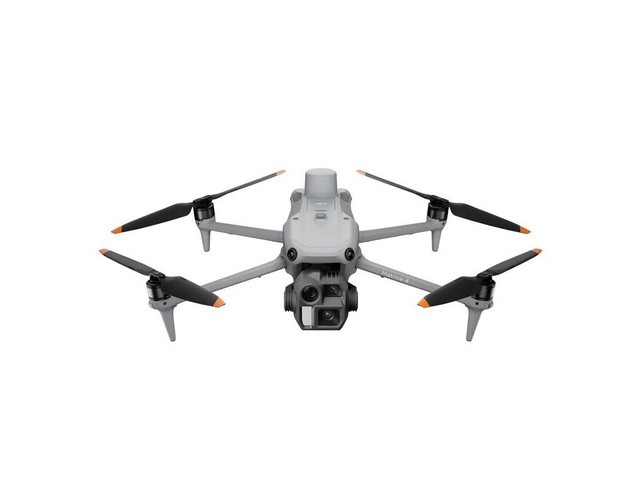
Yes, drones can operate at night with appropriate lighting equipment, although certain jurisdictions may have restrictions. Always ensure compliance with all regional and national requirements.