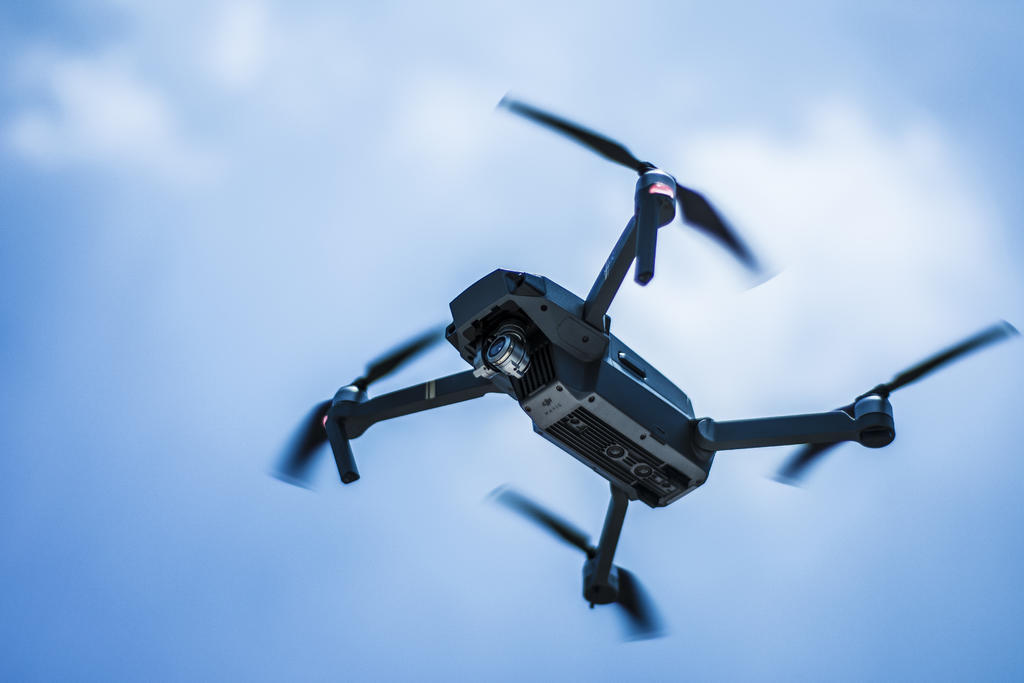
Over the past decade, drones have revolutionized various industries by offering innovative solutions that were previously unimaginable. One of the key advancements in drone technology is the development of sophisticated systems for avoiding obstacles. This breakthrough in drone obstacle avoidance capabilities enables unmanned aerial vehicles (UAVs) to navigate complex environments with remarkable precision, enhancing their utility across different sectors.
Understanding Drone Obstacle Avoidance
Drone obstacle avoidance refers to the technology that allows drones to detect and maneuver around physical obstructions while in flight. This capability is crucial for ensuring the safety of drones during operation, especially when flying in densely populated areas or environments with numerous obstacles. As the use of drones expands into new fields, such as delivery services and autonomous inspections, the significance of robust obstacle avoidance systems increases.
Technological Components
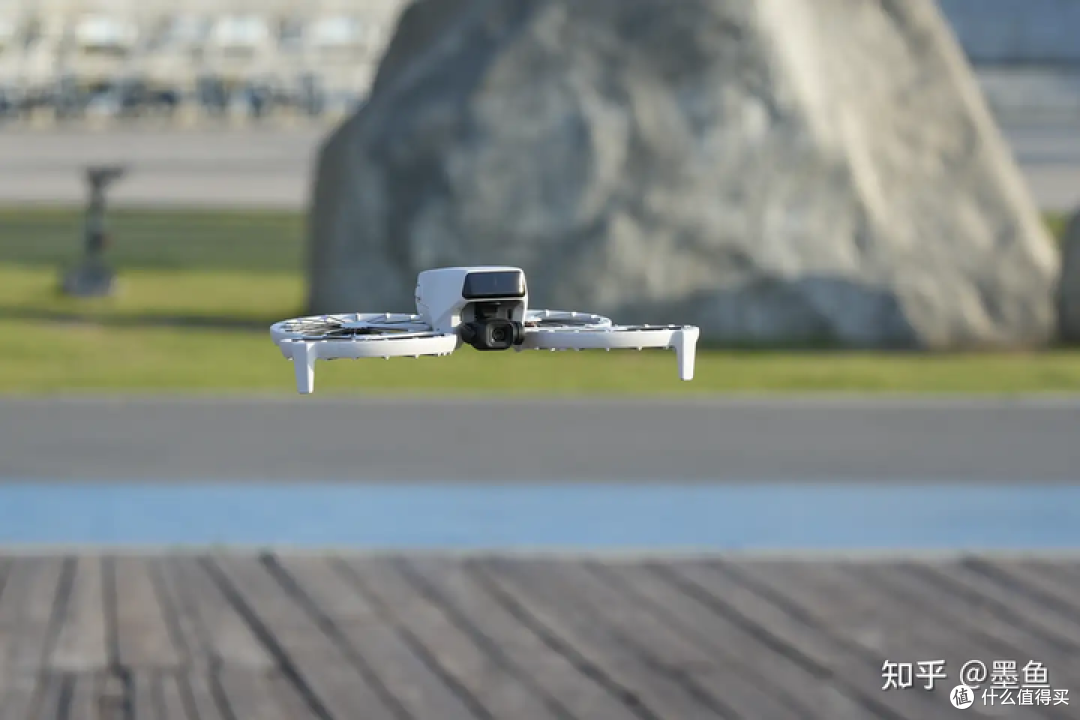
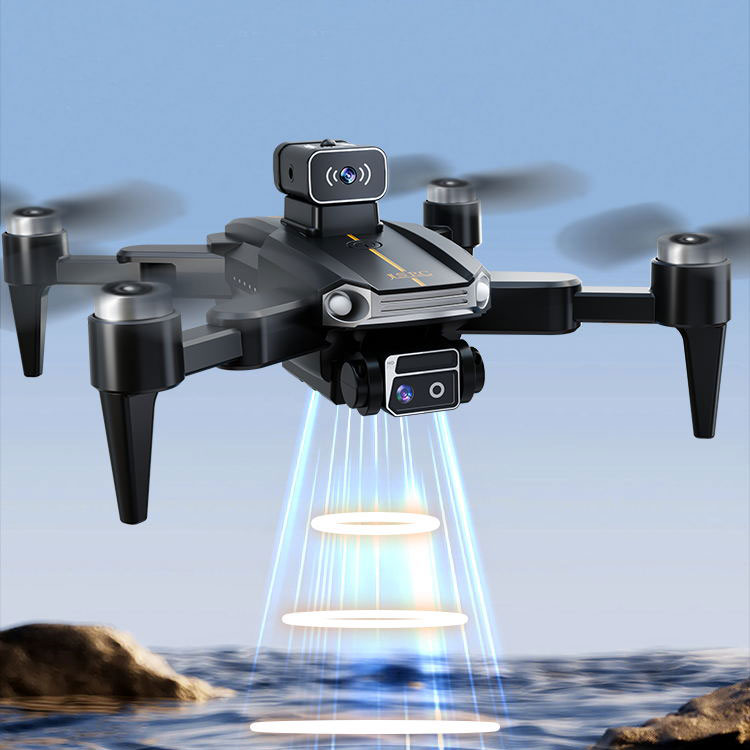
- Sensors: The backbone of any obstacle avoidance system is the variety of sensors equipped on drones. These can include visual cameras, lidar (Light Detection and Ranging), ultrasonic sensors, and infrared cameras. Each type of sensor provides unique data, which together contribute to a comprehensive understanding of the drone’s surroundings.
- Algorithms: Sensors alone are not enough. Advanced algorithms play a vital role in interpreting data from sensors, making real-time decisions to alter the drone’s flight path accordingly. Machine learning and artificial intelligence are often employed to enhance these algorithms, enabling drones to adapt to new environments and improve their navigational accuracy over time.
- Communication Systems: Effective communication between the drone and its operator is essential for a seamless obstacle avoidance experience. This includes both onboard systems that communicate internally to process sensor data and the external communication to relay critical information back to ground control.
Applications and Benefits
Drone obstacle avoidance technology has a wide array of applications, ranging from commercial use to emergency situations. In urban settings, drones need to avoid high-rise buildings, power lines, and other obstacles while executing tasks like delivering goods or conducting surveillance.
In search and rescue operations, obstacle avoidance allows drones to maneuver through debris and challenging terrains, providing rescuers with critical information to save lives. Industries such as agriculture and construction also benefit, as drones can perform site inspections without the risk of collisions.
The enhancement of safety through obstacle avoidance increases the reliability of drones and boosts confidence in their use across various fields.
Future of Drone Obstacle Avoidance
As technology evolves, so will the sophistication of drone obstacle avoidance systems. Upcoming innovations promise to integrate more intuitive navigation capabilities, harnessing advancements in artificial intelligence and machine learning to refine risk assessment and reaction times. Additionally, the integration of G2 drone networks can offer improved data processing speeds and connectivity, contributing to even more precise navigation.
FAQs
- How do drones detect obstacles?
- Drones utilize a combination of sensors, including cameras, lidar, and ultrasound, to detect obstacles. These sensors gather data that algorithms analyze to construct a 3D map of the surrounding environment.
- Can drones fly autonomously without collision?
- Yes, with advanced obstacle avoidance systems, drones are capable of flying autonomously, avoiding collisions by continuously scanning for obstacles and adjusting their flight paths in real-time.
- What is the future of drone obstacle avoidance?
- The future is promising, as advancements in AI and machine learning are expected to enhance obstacle detection and navigation accuracy, further broadening the scope and safety of drone applications.