
Have you ever gazed at the sky in admiration of drones soaring gracefully and wondered how to become a drone pilot yourself? Navigating your path to a successful career in drone piloting can be an exhilarating journey. In the following paragraphs, we’ll delve into the various steps, skills, and certifications required to transform your aerial aspirations into reality.
Understanding Drone Pilot Requirements
Before taking off on this career path, it is essential to understand the various prerequisites for becoming a drone pilot. In most countries, drone pilots must abide by regulatory guidelines set by aviation authorities, such as the Federal Aviation Administration (FAA) in the United States. Acquiring a Remote Pilot Certificate is mandatory and requires you to pass a knowledge test covering airspace classification, flight restrictions, and weather effects.
Securing Your Drone Pilot Certification
The FAA test can be daunting, but with proper preparation, you can secure your status as a certified drone pilot. Study materials and resources are readily available online, encompassing everything from air traffic control protocols to emergency procedures for drone operation. It’s imperative to commit to thorough preparation to ensure success.
Building Competence Through Practice
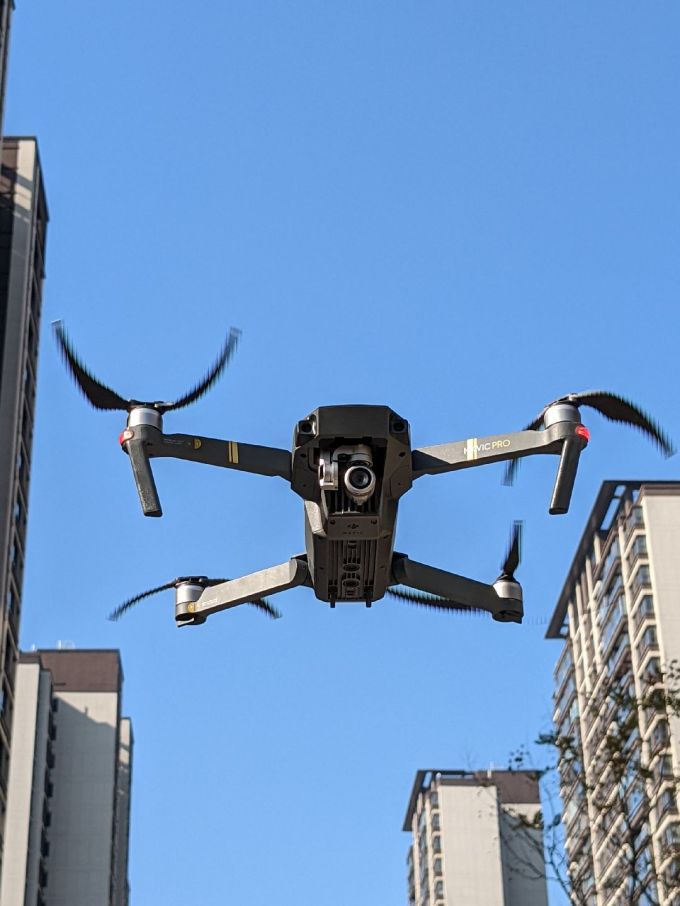
Certification is just the beginning. Developing practical skills is crucial for excelling in this field. You should spend ample time piloting your drone under various weather conditions and learning to maneuver in different environments. Simulators can also be a valuable tool for honing your skills in a risk-free setting.
Selecting the Right Equipment
Choosing the appropriate drone for your specific needs is vital. Drones vary significantly in size, capability, and price. Investing in a drone that aligns with your objectives—whether it’s for film-making, agriculture, or inspection—ensures you can perform tasks effectively.
Staying Informed with Industry Trends
The drone industry evolves rapidly, with technological advances continually shaping pilot requirements. Keep abreast of new drone models, software updates, and aviation regulations to stay competitive. Joining forums and networks for drone pilots can provide valuable insights and tips from more experienced professionals.
Ethical and Safe Flying Practices
Safety should always be your priority when operating drones. Adhering to ethical practices not only guarantees compliance with legal regulations but also promotes public trust in drone operations. Understanding the rules concerning personal privacy and flying in restricted areas is essential for avoiding penalties and ensuring safe operations.
Networking and Building a Career
Once you have gained sufficient experience, consider networking with other professionals in the drone industry. Attending conferences and workshops can help expand your knowledge and open doors to potential job opportunities or collaborative projects. Building a portfolio showcasing your expertise may also attract potential clients.
Expanding Your Skill Set
Besides flying skills, expanding your technical knowledge in photography, video editing, and data analysis can significantly enhance your career prospects. Combining these skills allows you to offer comprehensive solutions to clients, thus increasing your value as a drone pilot.
FAQs
What are the age requirements for becoming a drone pilot?
In the United States, you must be at least 16 years old to take the FAA’s certification test. Other countries may have different age requirements.

How can I ensure my drone operation is legal?
The key is to stay informed about local regulations and ensure that your drone is registered if necessary. Following guidelines regarding altitude limits and no-fly zones is essential for compliant operation.
Is insurance necessary for drone pilots?
While not mandatory, drone insurance is highly recommended to cover potential damages and liability during operations. Many clients might require proof of insurance before hiring you.