
The Predator drone aircraft has revolutionized modern surveillance, providing unparalleled aerial reconnaissance and intelligence-gathering capabilities. Initially developed for military purposes, these unmanned aerial vehicles (UAVs) have found applications in various sectors due to their versatile nature. As we explore the myriad aspects of Predator drones, we will delve into their operational features, technological advancements, and the implications of their use in surveillance.
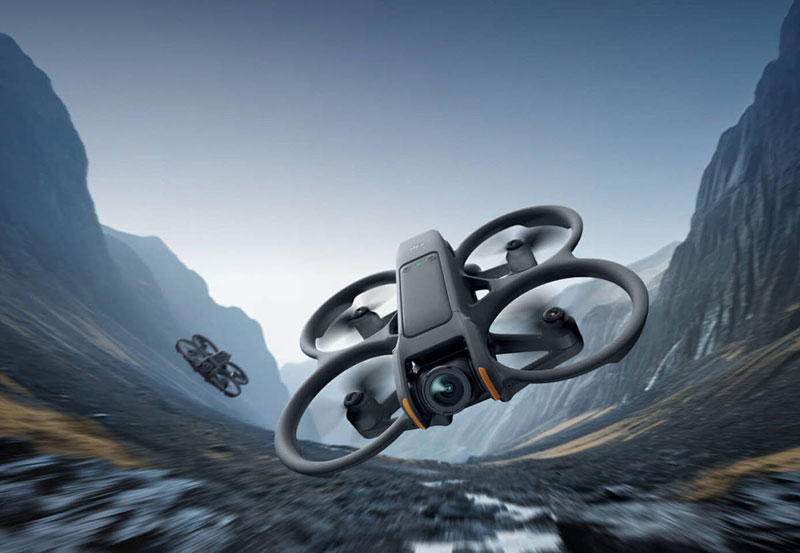
Design and Functional Attributes
The Predator drone aircraft is equipped with state-of-the-art technology that enhances its surveillance capabilities. With high-powered cameras and infrared sensors, these drones deliver real-time data back to command centers, facilitating strategic decision-making. Their aerodynamic design enables prolonged, silent flights, crucial for covert operations. Additionally, the incorporation of satellite communication systems ensures these drones are operable from remote locations, extending their operational range significantly.
Technological Innovations
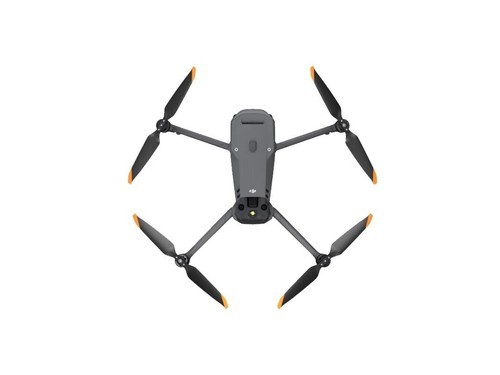
Recent innovations have further expanded the capabilities of Predator drone aircraft. Advances in artificial intelligence and machine learning allow these drones to process and analyze data independently, identifying patterns and potential threats without human intervention. The integration of geospatial data augments their navigation systems, allowing precise maneuverability in varied terrains. Furthermore, adaptive algorithms enhance their ability to track moving targets, increasing the efficiency and effectiveness of surveillance missions.
Applications Beyond Military Use
Though traditionally associated with military operations, Predator drone aircraft now serve multiple civilian purposes. Environmental monitoring, disaster response, and national border management are some areas where Predator drones have proven invaluable. These UAVs aid in assessing and responding to natural calamities, providing critical information that aids rescue efforts. In wildlife conservation, Predator drones assist researchers by monitoring species populations and habitats without disturbance.
Ethical and Legal Considerations
The deployment of Predator drone aircraft raises significant ethical and legal questions. Privacy concerns are at the forefront, as these drones can potentially invade civilian privacy without consent. Regulatory frameworks are being developed to address these challenges, ensuring responsible usage while maximizing the benefits of drone technology. International policies are also crucial in governing the use of drones across borders, promoting cooperation and conflict resolution.
Future Directions
As technology continues to evolve, Predator drone aircraft are expected to become even more sophisticated. The future may see the integration of advanced AI systems capable of autonomous decision-making, expanding their role in surveillance and reconnaissance. Additionally, increased miniaturization techniques could lead to the development of more discreet, efficient drones. Collaborative efforts between nations and technological entities will play a pivotal role in steering the advancement of drone technology ethically and effectively.
FAQs
How are Predator drones controlled?
Predator drone aircraft are controlled using satellite communications and ground-based control systems. Skilled operators manage the drones, guiding them through their missions while interpreting the data they collect.
Can Predator drones operate in adverse weather conditions?
Yes, Predator drones are designed to fly in various weather conditions, although extreme weather can limit their effectiveness. Enhanced sensor systems help mitigate these limitations by providing clearer imagery despite environmental challenges.
What measures are in place to ensure the privacy of civilians?
Regulatory agencies are working to establish clear guidelines that protect civilian privacy during drone operations, including transparent policies and consent requirements for surveillance activities.