
In the ever-evolving world of photography, the quest for stunning visuals often leads enthusiasts to explore new horizons. One of these horizons is aerial photography, and drones have become increasingly popular tools for capturing breathtaking images from above. Selecting the best drone for photography can elevate your work to new heights, both metaphorically and physically. In this guide, we’ll help you navigate the choices and discover the top drones that are perfect for stunning photography.
Understanding What Makes a Drone Ideal for Photography
Drones have become indispensable for modern photographers, offering unique perspectives that are impossible to achieve from ground level. When considering drones for photography, there are several key factors to keep in mind: camera quality, battery life, flight stability, and ease of use.
Camera Quality
Arguably the most critical aspect is the camera quality. Look for drones with high-resolution cameras capable of capturing sharp, vibrant images. Many drones now offer 4K or even 8K video capabilities alongside high MP (megapixel) still images. A drone equipped with a gimbal for camera stabilization is essential to ensure smooth footage and blur-free stills.
Battery Life
Extended battery life is a must for prolonged shoots, especially when exploring vast landscapes from the sky. Drones with longer flight times allow for more shots and potentially more creative opportunities. Aim for drones that offer a minimum flight time of 20-30 minutes per charge.
Flight Stability and Navigation
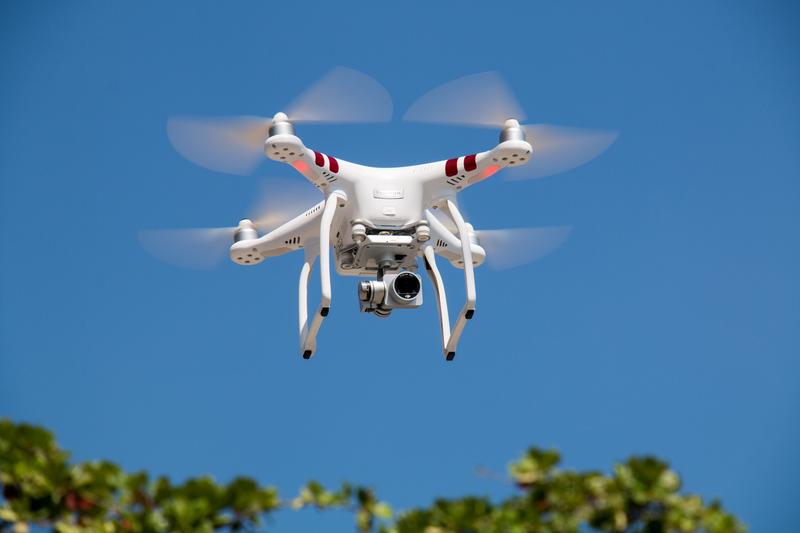
Stability is crucial for smooth images during flight. Advanced GPS systems and obstacle avoidance technologies help ensure your drone remains steady and avoids hazards while capturing intricate details from above.
Ease of Use
Not all photographers are seasoned pilots; thus, ease of use is an important consideration. Look for user-friendly controls and features that simplify handling without sacrificing functionality.
Top Drones Ideal for Photography
Several drones currently stand out in the market as excellent choices for photographers.
- DJI Phantom 4 Pro:
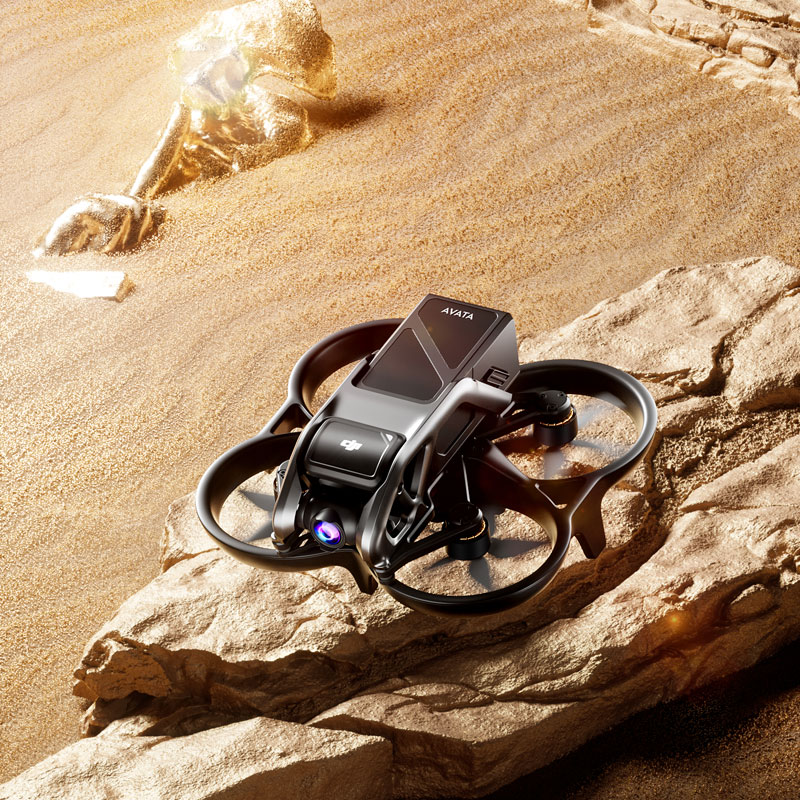 Known for its superior camera quality and robust build, this drone offers a 20MP camera with a 1-inch sensor and advanced obstacle sensors.
 - DJI Mavic Air 2: Compact yet powerful, it features a 48MP camera and offers intelligent shooting modes, making it perfect for both amateurs and professionals.
- Autel Robotics Evo II: This drone boasts 8K video capabilities and a stunning 48MP camera, perfect for detailed aerial imagery.
Expanding Your Creativity with Drone Photography
Drone photography is not just about capturing images from the sky; it’s about seizing new perspectives and exploring landscapes in dynamic ways. Experimenting with different angles, altitudes, and lighting can lead to unexpected and creative results.
Exploring drone technology also means understanding local regulations and respecting privacy. Always ensure you are flying legally and ethically.
FAQ:
Is drone photography difficult for beginners?
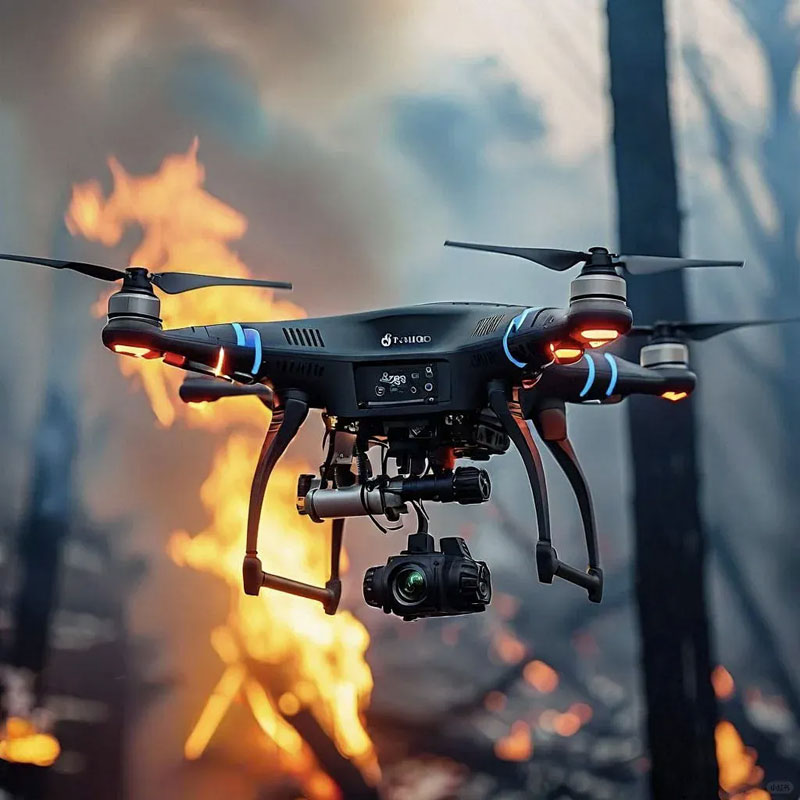
Drones today are equipped with intuitive controls and automated flight modes, making it accessible for beginners to capture striking images. Investing time in learning the controls and understanding the fundamentals of aerial photography can enhance your experience.
Do I need a license to fly a drone?
Requirements for flying drones vary by country. Many regions require registration, and some may mandate a piloting license depending on the drone’s size and where you plan to fly. Always check local laws to ensure compliance.
Can drones be used in all weather conditions?
Most consumer drones are designed for fair weather use. Extreme conditions such as high winds, rain, or snow can greatly impact performance and damage equipment. It’s best to check manufacturer guidelines and weather forecasts before every flight for safe operations.