
In recent years, predator drones have revolutionized modern warfare, transforming strategic approaches and enhancing military capabilities across the globe. Predator drones, renowned for their precision and adaptability, offer unmatched surveillance and targeting proficiency, crucial for military operations.
Understanding Predator Drones
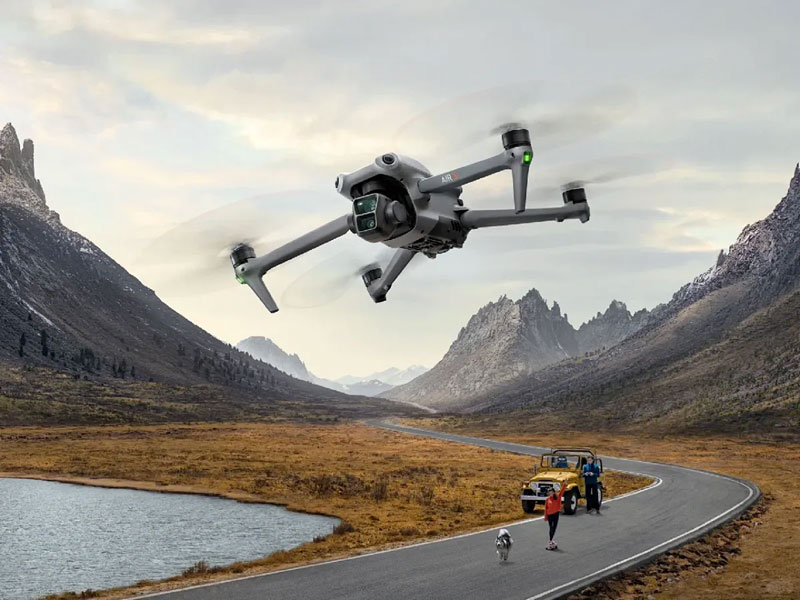
Predator drones are remotely piloted aircraft equipped with cutting-edge technology, initially developed for reconnaissance missions. Over time, their functions have expanded to carrying out targeted strikes, significantly impacting warfare. These drones are equipped with sensors, cameras, and sometimes armaments, allowing operators to perform complex tasks from remote locations.
Technological Advancements
The evolution of predator drones has been marked by significant technological advancements. Modern drones boast features such as improved stealth capabilities, enhanced data-link systems for real-time communication, and advanced navigation using GPS technology. This ensures effective targeting and minimizes collateral damage.
Another important development is the integration of artificial intelligence, enabling drones to analyze and interpret environmental data autonomously. AI-driven processing allows for quicker decision-making and adaptive mission strategies.
Applications in Modern Warfare
In warfare, predator drones serve multiple roles ranging from surveillance to tactical strikes. Their ability to loiter over target areas for extended periods provides continuous intelligence gathering, essential for informed strategic decisions. Furthermore, their precision targeting capabilities make them ideal for neutralizing high-value targets with minimal risk to personnel.
Predator drones have also been utilized for humanitarian purposes, supporting peacekeeping missions and disaster relief efforts where conventional resources may face challenges. This dual-use technology underscores their adaptability beyond traditional military applications.
Ethical and Strategic Considerations
The increasing reliance on predator drones in warfare raises several ethical considerations. Questions regarding the impact on civilian life, the potential for misuse, and the delegation of decision-making to automated systems are prominent. These concerns necessitate stringent regulatory frameworks to ensure responsible utilization.
Strategically, while drones offer unparalleled advantages, they also present vulnerabilities. Cybersecurity threats to drone systems can compromise operations, highlighting the importance of secure communication channels and robust defense mechanisms.
Future Implications
As predator drone technology continues to evolve, its impact on future warfare remains a critical subject of analysis. The potential integration of more sophisticated AI and hybrid operational models promises to redefine battlefields and command structures. Nations investing in drone technology must balance innovation with ethical responsibility.
FAQs on Predator Drones
What are the primary uses of predator drones? Predator drones are mainly used for surveillance, reconnaissance, and targeted strikes. They provide real-time data and can perform missions without traditional human resource constraints.
How do predator drones impact military strategy? Drones enhance situational awareness, enabling precise targeting and reducing the need for ground personnel in risky environments. This capability shifts military strategy toward technology-driven operations.
Are predator drones used exclusively in warfare? While primarily designed for military use, predator drones also contribute to non-combat scenarios, including environmental monitoring and disaster response, showcasing their versatility.