
Drones have rapidly become a pivotal tool in modern journalism, revolutionizing the way breaking news is reported. As the technology behind these unmanned aerial vehicles (UAVs) advances, their influence on news media continues to expand. Understanding how drones are transforming breaking news coverage provides insights into the future of journalism and the dynamic nature of media storytelling.
The Rise of Drones in News Reporting
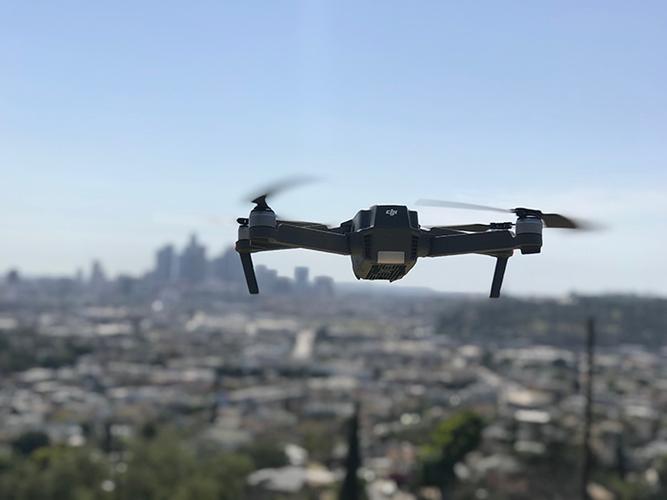
Traditionally, reporters relied on helicopters and ground teams to capture news footage, especially during events such as natural disasters, protests, or large gatherings. However, drones introduce an unprecedented level of agility and cost-effectiveness to news gathering. Equipped with high-definition cameras and capable of reaching areas too dangerous for humans, drones offer perspectives that can be crucial during breaking news coverage.
For instance, during hurricanes or wildfires, drones can safely navigate affected areas, providing real-time footage and data that help news organizations deliver timely and accurate reports. This capability not only enhances the depth of coverage but also ensures the safety of journalists who may otherwise be at risk.
Impact on Journalism and Storytelling
The use of drones in journalism allows for more immersive storytelling. By capturing aerial views of news scenes, journalists can provide audiences with a comprehensive understanding of the context surrounding events. This bird’s-eye view can uncover aspects of a story that might be missed from the ground, thereby delivering richer and more engaging narratives.
Moreover, the integration of drones in news reporting encourages innovative uses of other emerging technologies like virtual reality (VR) and augmented reality (AR), enhancing audience engagement through interactive experiences.
Legal and Ethical Considerations
While drones offer immense benefits, their usage in journalism also raises important legal and ethical considerations. Privacy concerns are paramount, as drones can easily intrude on private property or capture footage without consent. Regulations around drone operations are necessary to balance the benefits with privacy rights and ensure ethical news reporting.
Journalists must navigate these regulations and ethical dilemmas carefully. Maintaining transparency about how footage is gathered and ensuring it is used responsibly are essential to building trust with audiences.
Technological Advances and Future Prospects
Technological advancements continue to enhance the capabilities of drones, making them even more integral to breaking news coverage. Features like AI-driven analytics, live streaming capabilities, and long flight durations promise to further transform the landscape of journalism.
As these technologies evolve, it is likely we will see even greater integration of drones in newsgathering processes. Journalists will need to continually adapt to stay abreast of changes and capitalize on these tools effectively. The future of drone usage in journalism appears promising, with its potential to redefine how stories are told and consumed.
FAQs
- How do drones contribute to breaking news coverage?
- Drones provide unique aerial footage that allows journalists to report live from scenes that are difficult or dangerous to access, offering a broader perspective.
- What are the risks of using drones in journalism?
- Drones can present privacy risks and lead to legal issues, requiring responsible use and adherence to regulations.
- Can small news organizations compete using drone technology?
- Yes, drones offer cost-effective solutions for capturing high-quality aerial footage, leveling the playing field for smaller newsrooms and facilitating diverse media representation.