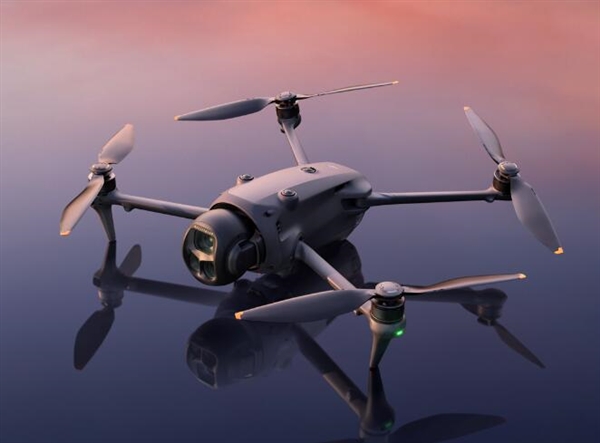
Understanding the Need for Anti Drone Solutions
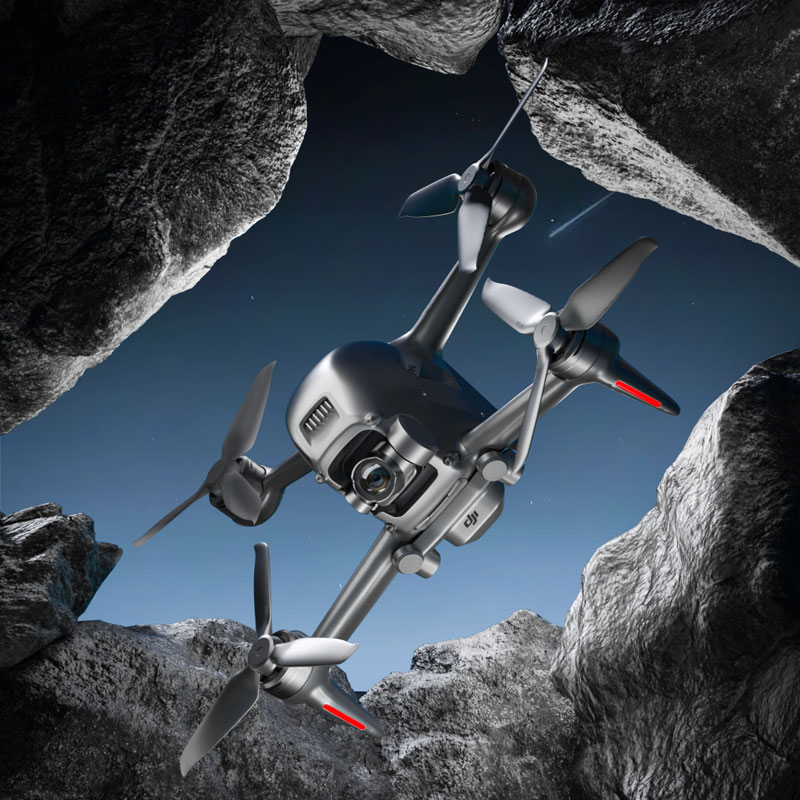 With drones becoming affordable and accessible, their misuse has increased. From privacy invasions to industrial espionage, the potential for malicious use is vast. This has heightened the demand for robust anti drone defenses. The challenge lies in detecting drones early and neutralizing them without collateral damage.
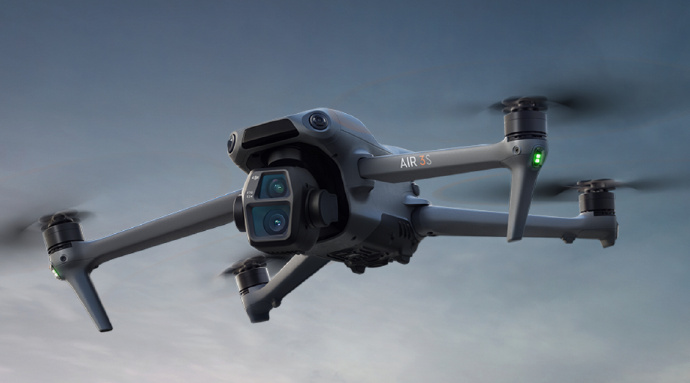 Detection technologies range from radar systems to RF sensors, each with unique advantages. Radar solutions can effectively track drone movement, while RF sensors are adept at identifying communication signals between the drone and its operator.
Advanced Non-Kinetic Solutions
Non-kinetic methods are gaining traction due to their precision and reduced risk of unintended damage. These solutions include jamming and spoofing. Jamming technologies disrupt the control signal between the drone and its operator, effectively neutralizing the threat. Meanwhile, spoofing involves redirecting the drone to a designated safe zone by manipulating its GPS signals. This method ensures the drone is safely landed, mitigating harm.
Directed Energy Weapons & Cyber Solutions
Another innovative approach involves using directed energy weapons. These weapons, primarily lasers, can target a drone and incapacitate its electronic systems. This non-lethal method is highly effective, albeit still under development and primarily limited by power requirements and environmental conditions. On the cyber front, taking control of an invading drone through hacking its software is an evolving solution. By gaining access to its control systems, authorities can safely land the drone, further advancing anti-drone strategies.
Regulatory Frameworks and Challenges
Despite technological advances, the deployment of anti drone weapons is not without challenges. Legal and regulatory constraints are among the chief concerns. The use of active countermeasures such as jamming can potentially infringe on laws regarding radio communication and aviation safety. Hence, it is crucial for developers to work closely with regulatory bodies to ensure technologies comply with legal standards. Additionally, the development of more sophisticated drones with autonomous capabilities escalates the challenge, necessitating continuous research and advancement in anti-drone technologies.
Future Prospects and Conclusion
The horizon for anti drone weapons technology is expansive, with potential advances in artificial intelligence and machine learning promising to enhance the capability of these systems. AI can improve detection and threat assessment, allowing for more nuanced responses based on the type of drone threat. As UAV technology advances, so too must our approaches to counter them, ensuring public safety and privacy are preserved.
FAQs on Anti Drone Weapons
- What are the critical components of an anti drone system?
The fundamental components include detection mechanisms like radar or RF sensors, interception tools such as signal jammers, and neutralization strategies, which can be kinetic or non-kinetic.
- How do non-kinetic solutions differ from kinetic ones?
Non-kinetic solutions like jamming or spoofing aim to disrupt the drone’s systems without physical harm, whereas kinetic solutions involve physically disabling the drone using projectiles or capture nets.
- Are there legal issues with deploying anti drone technology?
Yes, certain technologies such as jamming may conflict with existing communication and aviation laws. It is essential to navigate these restrictions carefully and ensure compliance with local regulations.