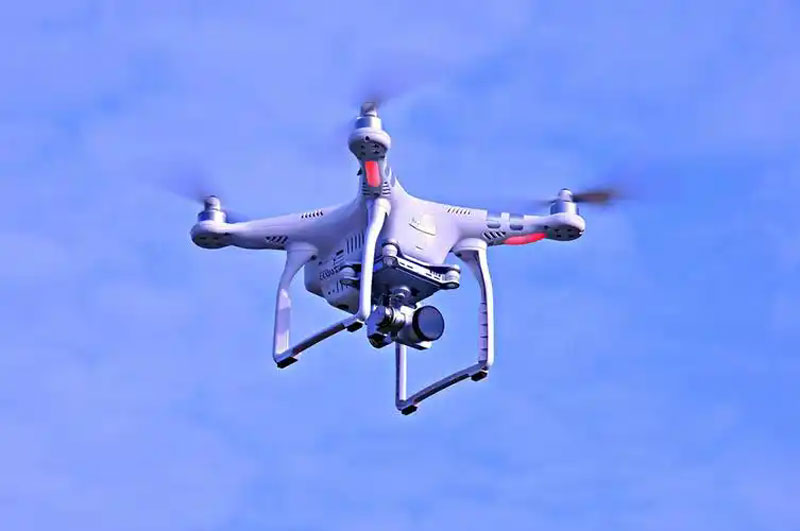
The Future of Agriculture Through AG Drones
In the dawn of agricultural innovation, the term “AG drones” represents more than just a buzzword; it symbolizes a revolutionary transformation in the way farming is conducted. With advancements in technology, these drones have adopted roles far beyond mere aerial surveillance. They have become an essential tool enabling farmers to optimize productivity and sustainability.
The introduction of AG drones into the agricultural sector promises a more sustainable and efficient future. Precision agriculture is enhanced by these drones, which offer detailed insights into the condition of crops, soil, and weather patterns. Read on to discover the impact of AG drones on modern farming.
How AG Drones Revolutionize Farming
AG drones streamline multiple tasks simultaneously. By utilizing cutting-edge sensors and imaging capabilities, they collect data on crop health, irrigation needs, and the presence of pests. This data is pivotal for making informed decisions, ultimately reducing labor costs and waste.
Modern AG drones are equipped with multispectral cameras that can detect variations invisible to the naked eye. For instance, these cameras can identify water stress in crops before it manifests physically, allowing for timely intervention.
Advantages of Using AG Drones
- Increased Efficiency: Tasks that once took weeks now take days or even hours with drone technology.
- Cost Reduction: Automation leads to a significant reduction in manual labor and associated costs.
- Environmental Sustainability: Precision agriculture minimizes chemical usage, promoting eco-friendly practices.
The Economic Impact of AG Drones
Not only do AG drones offer substantial benefits in terms of productivity and sustainability, but they also contribute to the economic growth of the agricultural sector. By reducing the necessity for land and resource-intensive farming practices, they help unlock new economic opportunities.
Farmers can allocate resources more efficiently and focus on enhancing crop yields rather than investing heavily in traditional methodologies.
Challenges and Considerations
Despite their advantages, the implementation of AG drones in agriculture comes with its challenges. The initial investment cost, training requirements for operators, and regulatory compliance can be daunting for small scale farmers. Moreover, the technology is still evolving, which means that early adopters might face compatibility and scalability issues.
Future Prospects
With continuous advancements in AI and machine learning, the future of AG drones seems promising. Integration with smart farming technologies such as IoT systems and blockchain could further enrich data accuracy and decision-making processes. The potential is limitless, with concepts like autonomous farming no longer seeming like a distant dream.
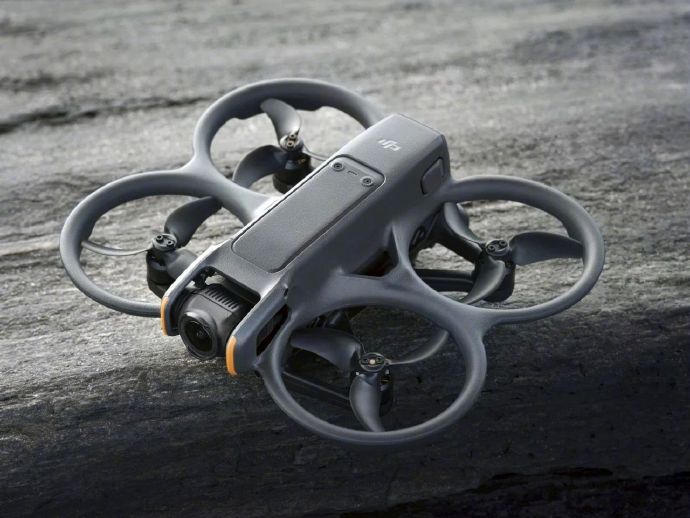
As the future unfolds, the role of AG drones in agriculture will likely expand, offering unforeseen opportunities for innovation and efficiency.
Frequently Asked Questions
- Are AG drones difficult to operate?
- While they require a degree of training, modern AG drones are user-friendly, often equipped with intuitive software that simplifies navigation and data collection.
- Can AG drones be used in all types of agriculture?
- Though highly versatile, the effectiveness of AG drones can vary depending on the crop type, geography, and specific farming practices in place.
- What are the main barriers to adopting AG drones in agriculture?
- Initial costs, regulatory hurdles, and the need for technical expertise are the primary challenges faced by farmers considering this technology.