
The rise of drone technology on the East Coast has become a significant trend, impacting various sectors including transportation, photography, and surveillance. Drones, formally known as unmanned aerial vehicles (UAVs), offer the capability to capture breathtaking aerial views, monitor large geographical areas, and streamline the delivery of goods, optimizing operations across multiple industries. The East Coast, with its diverse landscapes and bustling urban centers, presents a unique environment for drone technology to flourish.
The Growing Importance of Drones
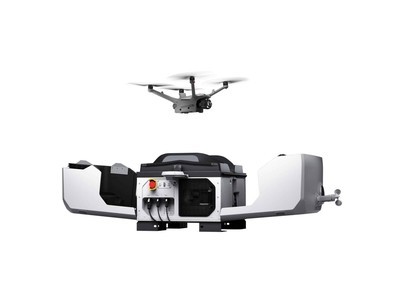 Drone technology is increasingly becoming a vital tool in several key areas. In urban settings, drones facilitate efficient traffic management by providing real-time data on congestion. Additionally, drones are deployed in emergency situations, aiding in search and rescue operations, natural disaster assessments, and delivering medical supplies to remote locations. As the technology evolves, the drones on the East Coast continue to push boundaries, promising innovative solutions to complex challenges.
Applications in Urban and Rural Settings
In urban environments, drones are revolutionizing logistics and transportation. Companies leverage drones to enhance last-mile delivery, reducing human error and increasing efficiency. Beyond logistics, drones serve pivotal roles in urban planning, capturing high-resolution images that help shape city development strategies. Meanwhile, in rural areas along the East Coast, drones significantly aid agricultural sectors, monitoring crop health, optimizing irrigation, and ensuring efficient resource allocation.
The introduction of drones in public safety has proven particularly promising. Law enforcement agencies use drones for surveillance, gathering evidence, and tracking criminal activities. The agility and relatively low-cost operation make them valuable assets in enhancing security measures while maintaining public safety. Furthermore, in wildlife conservation, drones help monitor endangered species, providing valuable data without disturbing natural habitats.
Technological Advancements Driving Change
Innovations in drone technology continually expand their capabilities. Advances in AI and machine learning allow drones to perform complex tasks with high accuracy. Recently, drones equipped with LIDAR sensors have emerged as critical tools for mapping and surveying, invaluable for construction projects and archaeological discoveries along the East Coast. Enhanced battery life, miniature design, and improved GPS systems further solidify drones as indispensable assets in modern-day applications.
Moreover, drones contribute significantly to research and environmental monitoring. Scientists employ drones to track meteorological patterns, assessing the impact of climate change on coastal regions. These insights inform policy decisions and environmental strategies, aiming for sustainable development along the East Coast. Drone technology’s versatility in collecting data ensures its position as a cornerstone of contemporary scientific exploration.
Addressing Regulatory Challenges
Despite the vast potential, the integration of drones on the East Coast faces regulatory hurdles. The Federal Aviation Administration (FAA) mandates strict guidelines to ensure airspace safety. Navigating these regulations while facilitating the expansion of drone usage is crucial for stakeholders. Increased collaboration between governmental agencies and private sectors is essential to address these challenges, fostering innovation while ensuring safety.
FAQs on Drone Usage
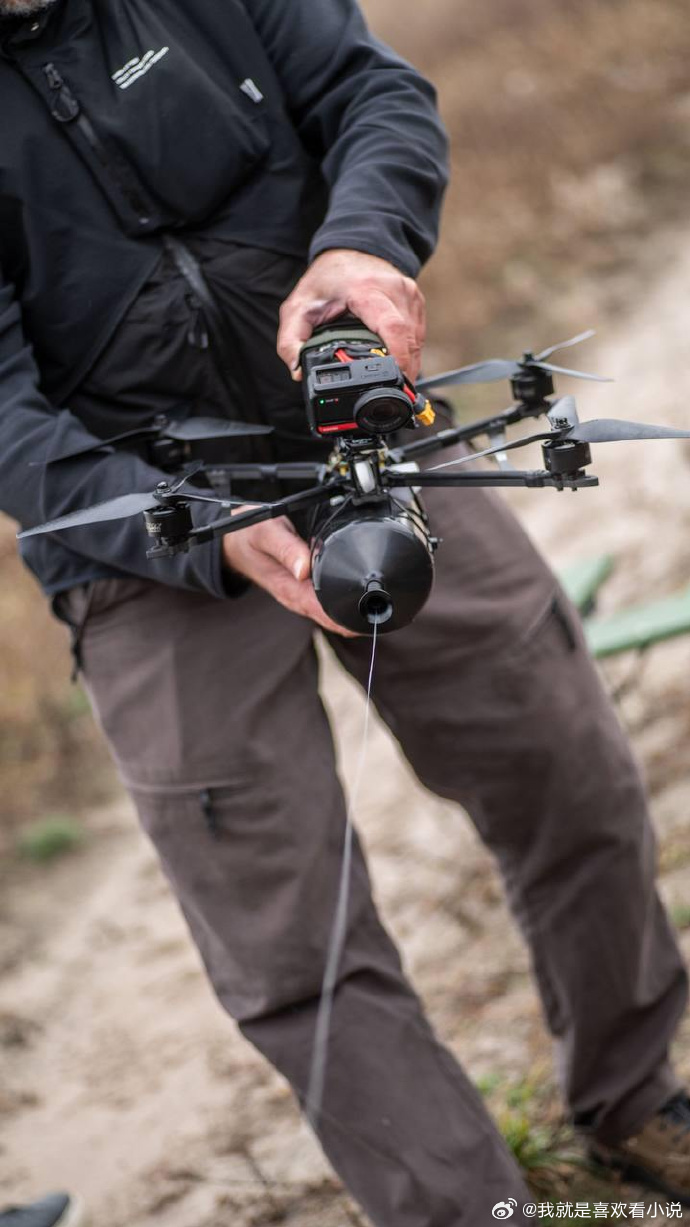
- What are the legal requirements for flying drones on the East Coast?
- Drones must comply with FAA regulations, including registration, adhering to designated flight controls, and respecting privacy laws.
- How are drones changing the logistics sector?
- Drones revolutionize logistics by improving delivery speed and efficiency, notably in crowded urban areas, reducing reliance on traditional delivery methods.
- Can drones be used for personal photography?
- Yes, drones are widely used for photography, offering unique perspectives. However, operators must ensure they adhere to local privacy and safety regulations.
The technological advances in drone systems continue to open up new opportunities and possibilities, making them an integral part of the East Coast’s advancement in multiple domains.