
Drones have grown in popularity, whether for professional use or simply as a hobby. However, before you take to the skies, it’s essential to understand the legal requirements and answer the question: do you need a licence to fly a drone? This comprehensive guide will delve into various regulations that drone enthusiasts need to be aware of.
Understanding Drone Licencing
In many countries, including the United States, drone operators must adhere to specific rules depending on their intended use. For hobbyists, registration might be sufficient, whereas professional drone pilots often require a license. For example, in the U.S., the Federal Aviation Administration (FAA) outlines two main categories: recreational flying and commercial drone use.
The Need for a Recreational Drone License
If you’re flying a drone purely for fun, you generally don’t need a specific license, but registration is often mandatory. The FAA requires drones that weigh between 0.55 lbs (250 grams) and 55 lbs (25 kilograms) to be registered. The process is straightforward and inexpensive, but it establishes accountability and ensures safety in airspace management.
Commercial Drone Operations: The Part 107 License
Commercial drone use is subjected to stricter regulations. If you plan to use your drone for business purposes—such as aerial photography or agricultural mapping—you’ll likely need a Remote Pilot Certificate, commonly known as a Part 107 license. This involves passing an FAA test covering topics such as airspace classification, weather effects on drone operations, and emergency procedures.
It’s crucial to note that not all countries have the same requirements. Always check local aviation authorities to ensure compliance!
Exceptions: When a Drone License is Not Required
There are exceptions where a license may not be compulsory. For instance, drones operated indoors do not fall under typical aviation regulations since they do not interact with public airspace. Similarly, many countries waive licensing for drones used in specific educational settings or research purposes.
International Drone Regulations
The rules can vary significantly from one country to another. Countries like the UK require a drone operator ID, whereas Canada has its own detailed set of guidelines for drone pilots, including both basic and advanced operations, with requisite certification processes. Always research regulatory requirements before flying drones in a foreign nation to avoid hefty penalties.
Impact of Licencing on Drone Technology Advancements
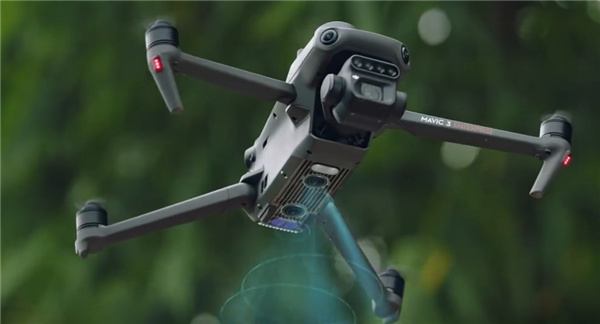
Drone technology is rapidly evolving, leading to updates in laws to accommodate new uses and innovations. Licensing helps ensure that drone pilots are knowledgeable and competent, which promotes safety and public trust in drones. As a result, manufacturers are developing more user-friendly technologies that comply with these regulations.
Safety Measures and Responsibilities
Licensed operators are required to follow a set of rules designed to keep the skies and the public safe. These include maintaining a line of sight, adhering to altitude limits, and avoiding no-fly zones like airports and government facilities. Whether licensed or not, all drone users are responsible for their flight activities.
- Maintain visual contact with your drone.
- Avoid flying over crowds or private property without permission.
- Respect privacy and land ownership rights.
FAQs
Do recreational drone pilots require insurance?
No, but it is highly recommended. Drone insurance can protect you from potential liabilities such as property damage or personal injury.
How do I register my drone in the U.S.?
You can register your drone through the FAA’s website by providing your contact information and paying a small fee. Make sure to mark the registration number on your drone.
What are the penalties for flying a drone without a license?
Fines can vary. In the U.S., operating a drone commercially without a Part 107 license can result in penalties exceeding $1,000. Always adhere to regulations to avoid fines and legal issues.