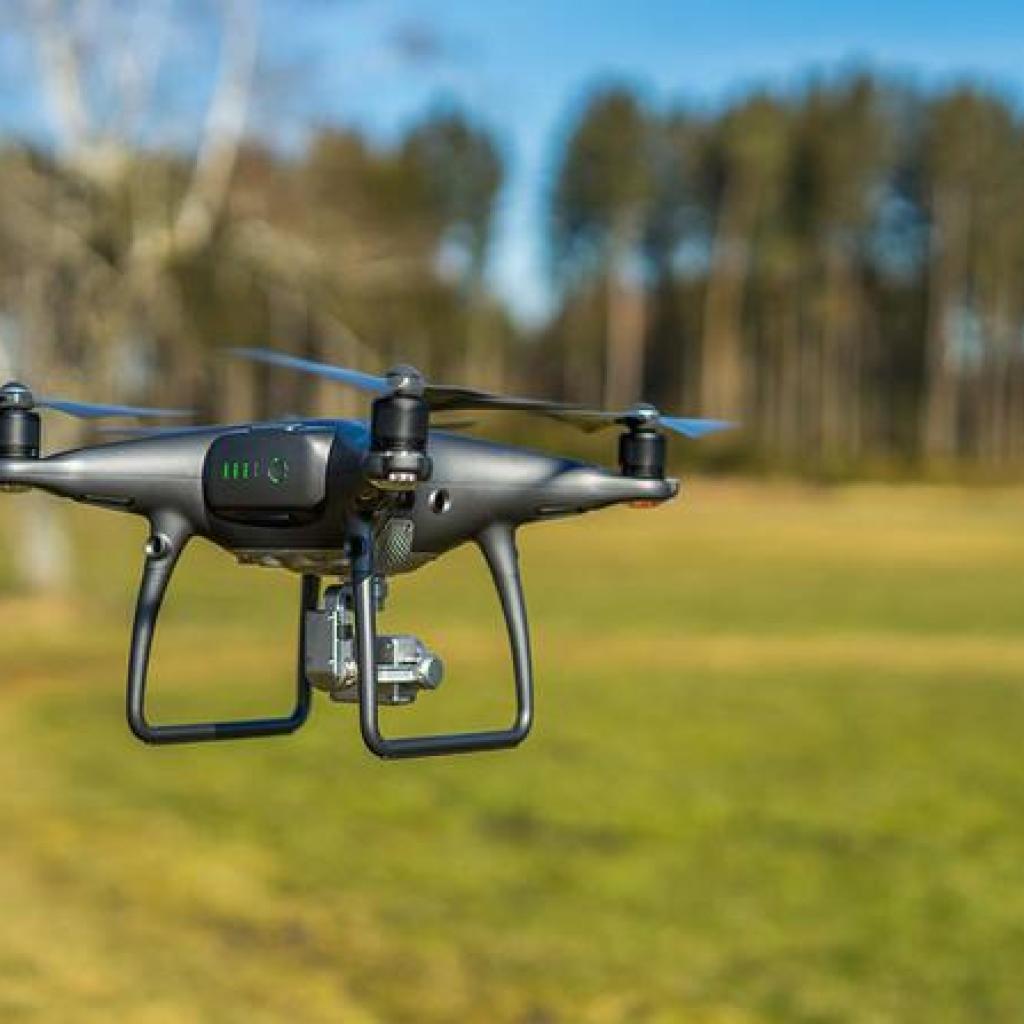
Flying drones has become increasingly popular worldwide, whether for commercial purposes, recreational activities, or innovative photography. If you’re considering taking your drone into the skies, understanding the legal requirements is essential. A key question many aspiring drone pilots might ask is: Do you need a license to fly a drone?
In many regions, drone pilots must adhere to specific regulations. In the United States, the Federal Aviation Administration (FAA) mandates that drone operators get certified under Part 107 if they are flying for commercial purposes. This includes earning a Remote Pilot Certificate. To qualify, applicants need to pass the FAA knowledge test, covering topics such as airspace regulations and weather effects.
Recreational Use
For hobbyists, the rules are generally less stringent. While you don’t need a Part 107 certificate, pilots still need to comply with the FAA guidelines. This includes registering drones weighing above 0.55 pounds and always keeping them within the line of sight. Moreover, flying drones in certain areas such as national parks or near airports is prohibited to ensure public safety.
Global Regulations
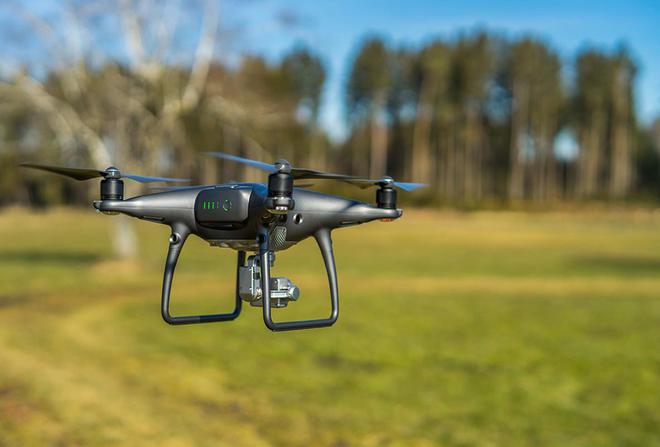
Beyond the United States, drone regulations vary significantly. In the European Union, the European Union Aviation Safety Agency (EASA) has implemented unified regulations across member states. Depending on the drone’s weight and operating environment, licensing might be required. In Canada, the rules differentiate between basic and advanced operations, with advanced operations requiring a pilot certificate.
Commercial Opportunities
Obtaining a drone pilot license can open numerous opportunities for commercial ventures. Licensed operators are sought after for aerial surveys, real estate photography, and even filmmaking. As drone technology evolves, the demand for skilled pilots grows, making the pursuit of a drone license a viable career path.
Whether you’re drawn to drones for leisure or business, comprehending the licensing requirements serves as a foundation for responsible and legal drone operation. Ensuring compliance with local laws not only safeguards the operator but also preserves airspace safety standards.
Frequently Asked Questions
- What happens if I fly without a license? Flying a drone without proper certification can lead to penalties, including fines. These laws are enforced to maintain safety and manage airspace usage.
- Do drone licenses expire? Yes, drone licenses usually need renewal. For instance, in the US, the FAA requires a recurrent test every two years to ensure that pilots remain updated on current regulations.
- Where can I find more information? National aviation agencies provide extensive resources online. The FAA website offers comprehensive guides and tutorials for aspiring drone pilots.
Ultimately, understanding the scope of drone licensing and regulations is pivotal for anyone interested in flying drones. Whether for work or play, ensuring compliance is essential to embrace the full potential of these technological marvels.