
Traveling with your drone can be a thrilling experience, capturing breathtaking aerial views in new destinations. However, if you’re planning to fly, it’s important to know whether you can bring a drone on a plane and what regulations might apply. Airlines have specific rules governing the transportation of drones, and these can vary depending on your departure and destination countries.
Checking Airline Policies
Before you pack your drone, check the specific airline’s policies. Most airlines allow drones as part of your checked or carry-on luggage, but there may be restrictions concerning battery size. Typically, lithium-ion batteries over a certain watt-hour (Wh) rating are not allowed in checked baggage due to safety regulations. Small batteries, usually those powering consumer-grade drones, are often permissible in both carry-on and checked luggage.
International Regulations
Traveling internationally with a drone adds another layer of complexity. Different countries have diverse policies about importing and using drones. It’s crucial to research these regulations ahead of time to avoid complications at customs. For instance, some countries may require a permit for drone use, while others may prohibit drones altogether. Familiarize yourself with the guidelines of both departure and arrival countries.
- United States: The Transportation Security Administration (TSA) generally allows drones in carry-on bags, while checked baggage rules depend on individual airlines.
- European Union: Carrying drones in hand luggage is typically permissible, but all batteries should be carried in hand luggage due to safety concerns.
- Australia: Drones are allowed both in carry-on and checked baggage, but like other countries, battery regulations must be followed.
Battery Precautions
Battery safety is paramount when flying with a drone. Ensure your batteries are not damaged and that they are packed securely. It’s advisable to carry batteries in a fireproof container or bag designed for lithium-ion batteries. Moreover, airlines often stipulate that battery terminals should be protected against short circuit; thus, you might want to tape the terminals or use the original packaging.
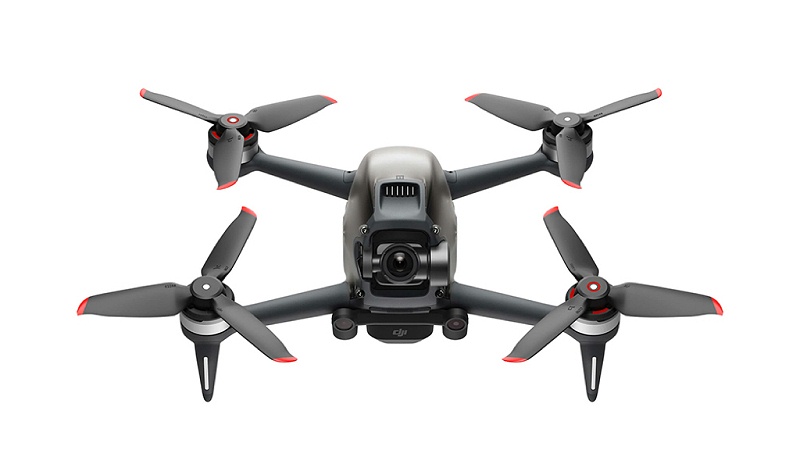
Transporting Drones Within Luggage
Proper packing is essential to prevent damage during transportation. Use a drone case or a padded backpack specifically designed for drone travel. This protects the delicate parts of the drone and reduces the risk of damage due to rough handling. For additional protection, remove the propellers and secure them separately.
Drone Usage at Your Destination
Once you’ve safely transported your drone, you’ll need to understand how to use it at your destination. Some popular tourist spots might have drone-free zones, especially near airports, government buildings, or wildlife areas. It’s crucial to research local drone laws to ensure compliance and avoid fines. Remember, respect privacy and respect local regulations to have a smooth flying experience.
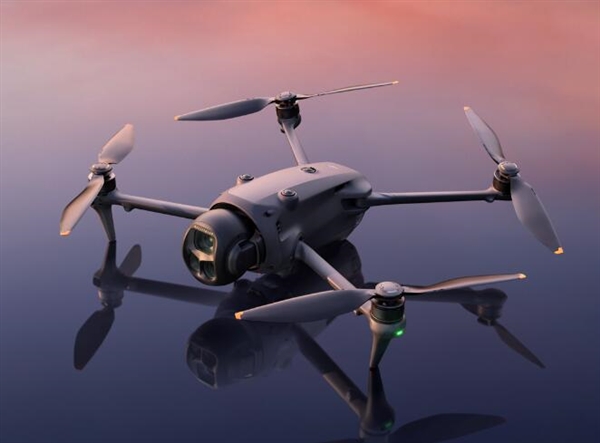
Lastly, always consider the cultural aspect of flying drones. While it’s captivating to capture stunning images, drones can sometimes be seen as intrusive. Be sensitive to the surroundings and the people you might be affecting with your drone usage.
FAQ
- Can I carry drone batteries in my hand luggage?
- Yes, most airlines allow drone batteries in hand luggage, but it’s advisable to check specific airline rules regarding size and type.
- What happens if my drone exceeds the permitted battery limit?
- If your drone’s battery exceeds the permitted watt-hour limit, you may need to transport it differently or leave it behind. Always verify with the airline before your flight.
- Do all countries allow the flying of drones?
- No, drone regulations vary globally. Some countries may require permits, while others may have strict no-fly zones. Always check local regulations before using your drone.