
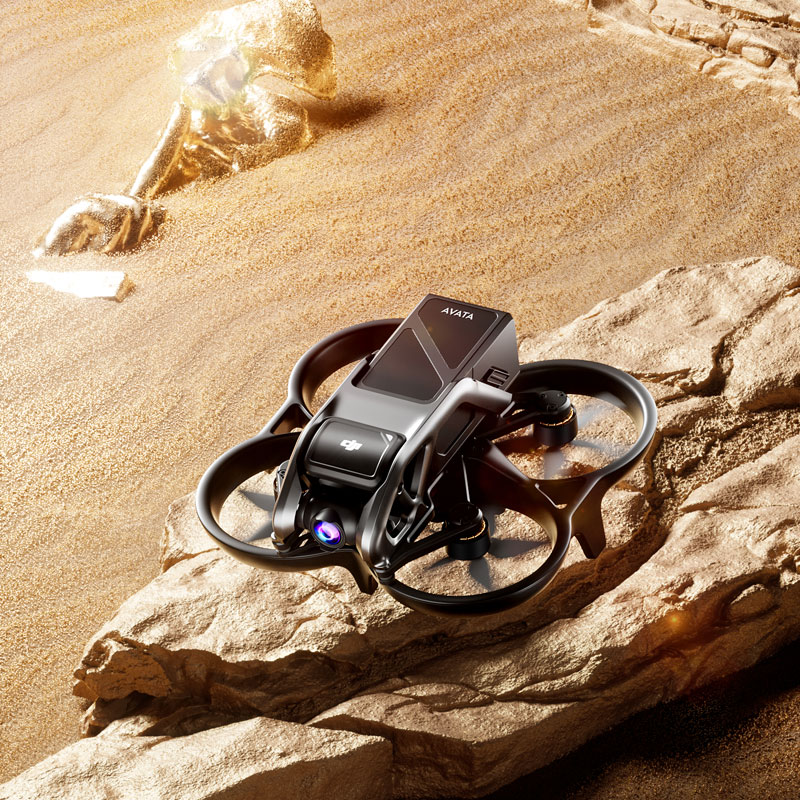
The advancements in drone LiDAR are set to continue shaping the future. Unlike traditional surveying methods, drone LiDAR significantly reduces the time and cost involved in gathering data. This efficiency is particularly beneficial in construction projects, where timely and accurate information can prevent costly delays. Moreover, the high-resolution data captured by drone LiDAR allows for better analysis and planning, offering insights into terrain and environmental conditions that were previously difficult to obtain.
Key Benefits of Drone LiDAR Technology
Drone LiDAR provides numerous advantages over conventional methods. First and foremost is its ability to gather data in areas that are challenging to access. For instance, in forestry management, drones can navigate through dense canopy cover to collect precise measurements, aiding in sustainable forest management practices. Additionally, drone LiDAR systems offer rapid data acquisition, valuable for emergency response teams and disaster management, where swift action is vital.
Precision and Accuracy
LiDAR systems are renowned for their precision. The technology can create 3D models of the earth’s surface with astonishing detail, capturing features such as vegetation, water bodies, and elevation variances. This accuracy is crucial in applications such as flood monitoring, where understanding terrain elevation can predict water flow and potential flood zones.
Applications Across Industries
Drone LiDAR is becoming indispensable in urban development. Architectural firms and city planners use LiDAR data to optimize building designs and city layouts, ensuring they blend with the natural environment while maximizing space. In agriculture, drone LiDAR facilitates precision farming by identifying fertile areas and monitoring crop health, enabling farmers to make informed decisions to enhance yields. The technology is also transforming archaeological research by uncovering hidden structures and landscapes beneath dense vegetation or soil.
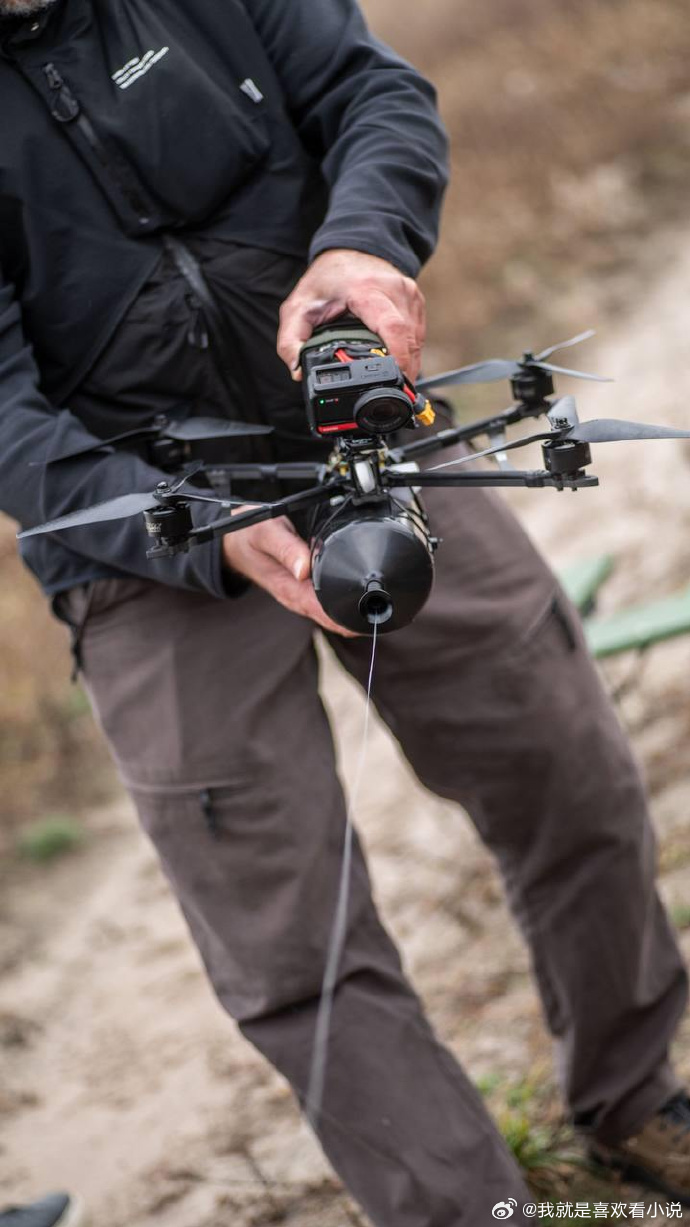
Challenges and Considerations
Despite its advantages, drone LiDAR technology does face challenges. Weather conditions such as rain, snow, and fog can affect the quality of data captured, necessitating repeat flights to ensure data integrity. Additionally, the initial investment in drone LiDAR setup and training can be significant, though the long-term benefits often outweigh these costs.
Upcoming Developments
As drone LiDAR technology evolves, several developments are expected. Enhanced battery life and drone range will allow for longer missions and larger survey areas. Furthermore, integrations with other technologies such as artificial intelligence are likely to improve data analysis and interpretation, offering more comprehensive solutions. The ongoing miniaturization of LiDAR sensors may also enable wider adoption across smaller drone platforms, increasing accessibility and adoption in various fields.
FAQs on Drone LiDAR Technology
Can drone LiDAR be used in densely populated urban areas?
Yes, drone LiDAR is highly effective in urban environments, providing detailed mapping and infrastructure analysis. It aids in planning efficient transportation routes and optimizing land use.
How does weather impact drone LiDAR readings?
Adverse weather conditions like rain and fog can disrupt laser pulses, leading to reduced data quality. It’s advisable to conduct LiDAR surveys in clear weather for optimal results.
Is drone LiDAR cost-effective for small businesses?
While initial costs can be high, drone LiDAR’s efficiency and accuracy often result in long-term savings and improved operational effectiveness, making it a worthwhile investment for many businesses.