
Drone Technology Innovations: A Historical Insight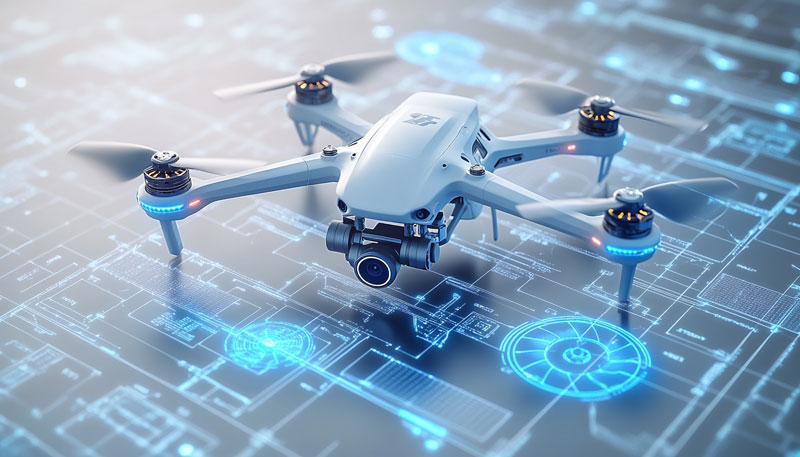
Drones, often referred to as UAVs (Unmanned Aerial Vehicles), are a remarkable achievement that revolutionized various industries. Delving into the world of drones, an intriguing question often arises: who invented drones? To fully appreciate the complex evolution of this technology, one must explore the contributions of several pioneers and the contexts under which drones were developed.
Early Beginnings
The concept of unmanned flight can be traced back to the early 20th century. The first known development towards UAV technology involved the creation of the Kettering Bug, a US military aerial torpedo designed during World War I. Charles Kettering led this project, aiming to provide a primitive form of unmanned warfare. Although never used in combat due to reliability issues, the Kettering Bug laid the groundwork for future innovations.
World War II Advancements
During World War II, the notion of remote-controlled aircraft gained further traction. Reginald Denny, an actor and amateur aviation enthusiast, started producing target drones for training purposes. His company, Radioplane, manufactured thousands of drones, predominantly used by the US military, thus significantly advancing drone technology.
Post-war Innovations
After the war, interest in drone technology expanded beyond military applications. The 1950s and 60s saw the development of more sophisticated UAVs for reconnaissance missions. Companies like Ryan Aeronautical developed high-altitude, long-duration drones, the most notable being the Ryan Firebee. These drones showcased the potential for surveillance and intelligence gathering, pivotal for Cold War strategies.
The Technological Era: Late 20th Century
With the advent of computer technology and miniaturization in the late 20th century, drones experienced transformative growth. Modernization enabled more precise control and versatile functionalities. Leading innovators such as Abraham Karem, often dubbed the “father of UAV technology,” played a crucial role. He developed the foundational Predator drone, initially funded privately, significantly enhancing military capabilities and reconnaissance operations.Steady Commercial GrowthEntering the 21st century, drones transitioned from solely military roles to commercial arenas. The rapid adoption of drones in sectors like agriculture, film, and logistics illustrates their versatility. Companies like DJI spearheaded consumer drone production, making advanced UAV technology accessible to hobbyists and professionals alike.
The Multifaceted Potential of Drones
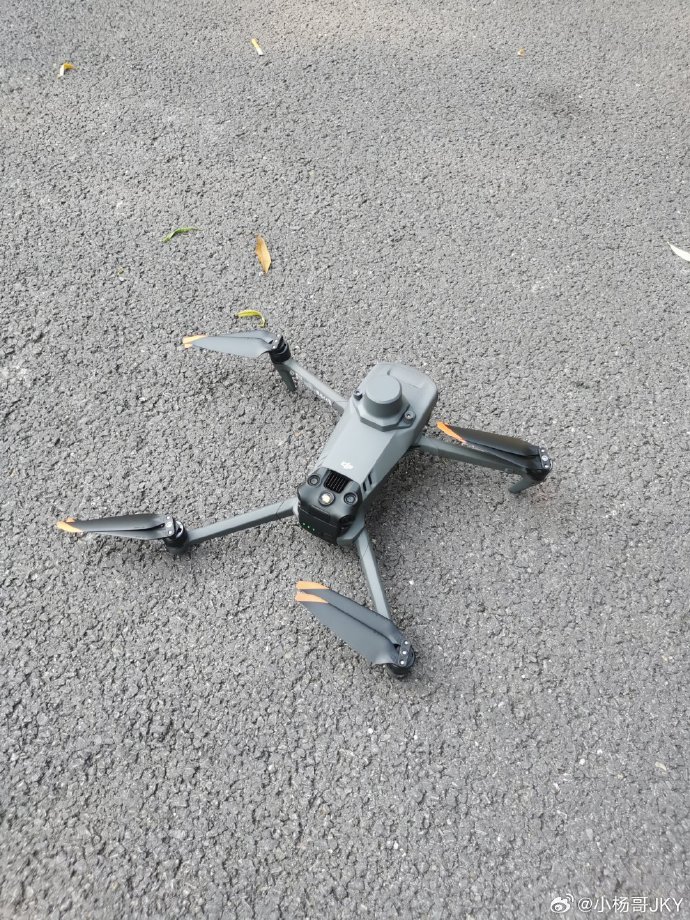
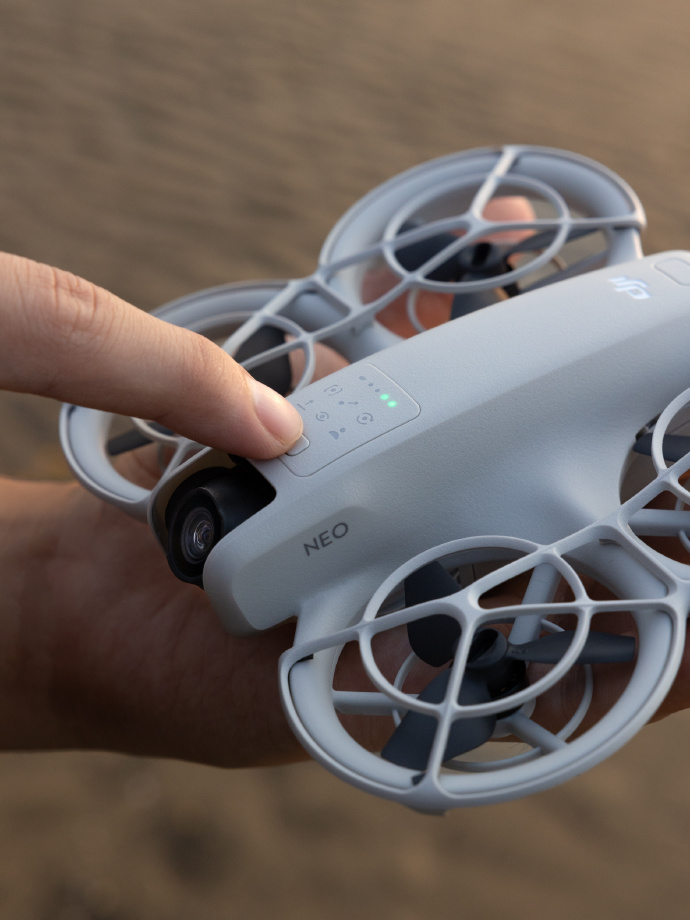 Drones now serve countless purposes beyond their original military confines. Their applications range from disaster relief and environmental monitoring to aerial photography, each opportunity expanding with innovation. The key aspect remains their ability to overcome challenges unreachable by conventional means, emphasizing their indispensable nature in modern society.FAQs
Who is considered the inventor of drones? The invention of drones is attributed to multiple contributors, with Charles Kettering and Reginald Denny being notable pioneers in their early development.
How have drones evolved over time? Initially used for military purposes, drones have significantly evolved to serve commercial, agricultural, and recreational sectors, driven by advancements in technology and accessibility.
What are the key uses for drones today? In contemporary settings, drones are employed in aerial mapping, surveillance, environmental monitoring, delivery services, and many other innovative applications, highlighting their diverse capabilities.