
Revolutionizing Visual Inspection with Thermal Camera Drones
Drones equipped with thermal cameras are transforming the way professionals conduct visual inspections. This innovative technology is not only enhancing efficiency but also improving accuracy across various industries. In this comprehensive exploration, we dive into how these drones are deployed in different sectors, their advantages, limitations, and future prospects.
Applications of Thermal Camera Drones
The use of thermal camera drones is becoming increasingly prevalent in sectors such as construction, agriculture, and emergency services. In construction, they swiftly identify heat leaks or structural weaknesses that are otherwise invisible to the human eye. For agriculture, these drones provide valuable insights into crop health, guiding farmers on optimal irrigation and nutrient application. Furthermore, in emergency services, they play a critical role in search and rescue missions, detecting human presence in challenging terrains.
Advantages of Utilizing Thermal Technology
- Enhanced Accuracy: With the ability to detect thermal variations, these drones offer precise data crucial for informed decision-making.
- Increased Efficiency: Drones cover large areas swiftly, reducing the time and manpower needed for inspections.
- Remote Accessibility: They access areas that are dangerous or inaccessible to humans, improving safety for personnel.
The Limitations of Thermal Camera Drones
Despite their numerous advantages, thermal camera drones have certain limitations. One of the significant challenges is their dependency on weather conditions; adverse conditions can impact the quality of thermal imagery. Moreover, technological limitations like battery life and data processing capabilities can also hinder their effectiveness in prolonged operations.
Another concern is the initial cost of acquisition and maintenance, which may be prohibitive for smaller enterprises. As technology advances, these constraints might diminish, potentially broaden the scope of drone applications significantly.
Looking Towards the Future
The future for thermal camera drones appears promising, with continuous improvements on the horizon. As technology progresses, it’s expected that drones will become more affordable and sophisticated, integrating with AI for autonomous operations that offer real-time analysis and predictive insights.
Frequently Asked Questions
- How do thermal camera drones work?
These drones use infrared sensors to detect heat emitted from objects, converting them into thermal images that offer insights beyond visible light inspection. - Are thermal camera drones expensive?
While high-end models can be costly, prices are gradually decreasing, making them more accessible to different user groups. - Can thermal drones operate in all weather conditions?
Weather conditions such as rain and fog can affect thermal image clarity, highlighting the need for suitable environmental conditions for optimal use.
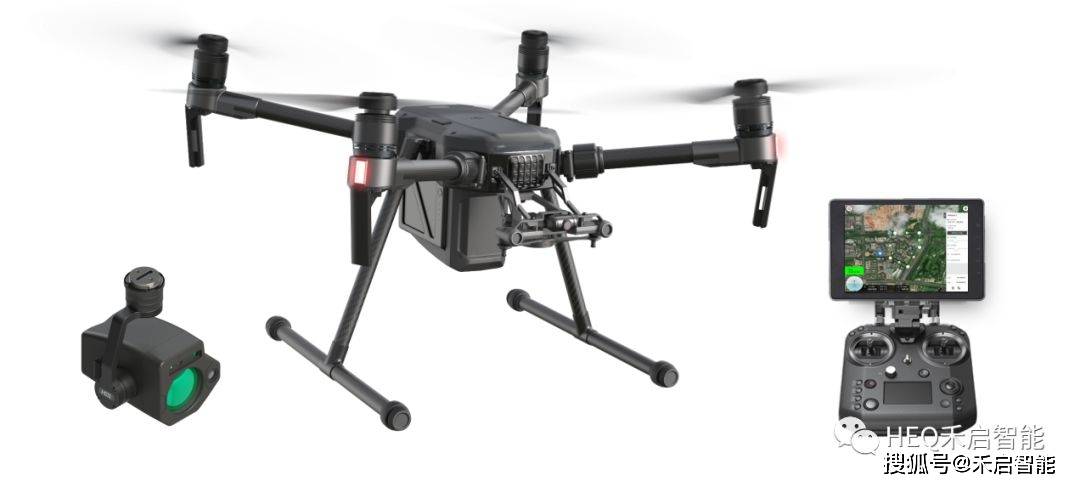
In conclusion, the deployment of thermal camera drones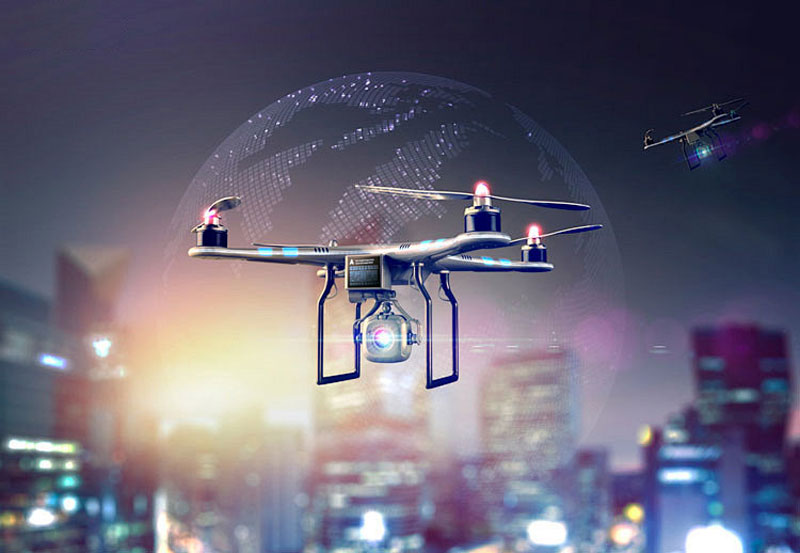 represents a significant leap in visual inspection technology. As we continue to explore and enhance their capabilities, these drones could redefine operational standards across multiple industries, setting a new benchmark in efficiency and safety.