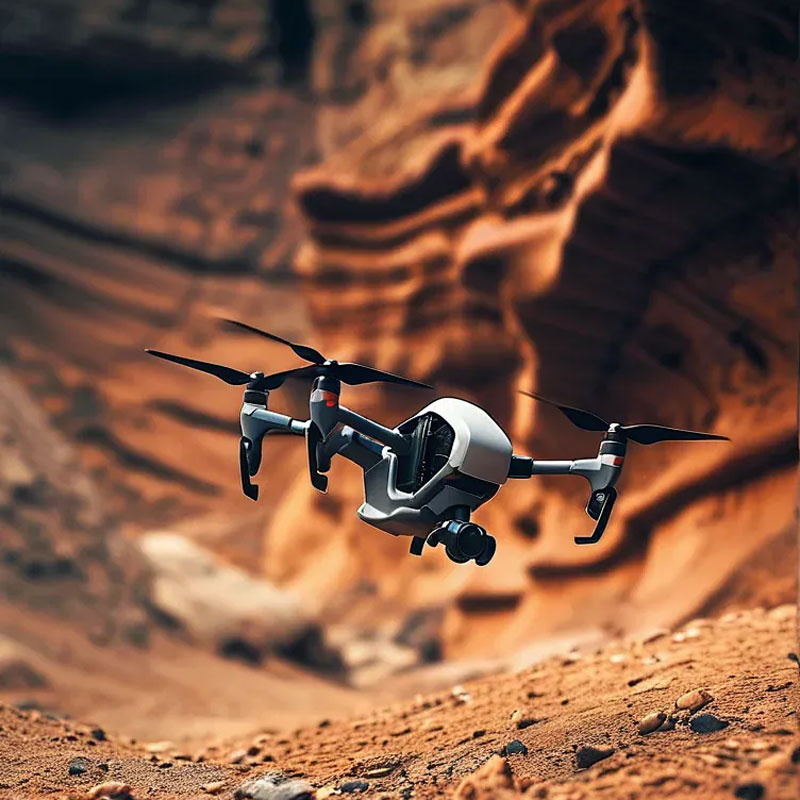
Unlocking the Potential: Understanding Drone Technology
Drones, often referred to as unmanned aerial vehicles (UAVs), are revolutionizing various sectors by offering innovative solutions to complex challenges. But what exactly is the meaning of a drone? Understanding its technical capacities and applications can unlock numerous opportunities for different industries.
The Essence of Drones
The term “drone” primarily signifies a machine remotely controlled by a pilot on the ground or autonomously following a pre-programmed set of instructions. Drone meaning extends from military use to commercial and recreational areas that underline their versatility. Originating from defense applications, their technological advancements are now widely adopted in civilian contexts.
Applications Across Various Industries
One of the most celebrated benefits of drone technology is its application in agriculture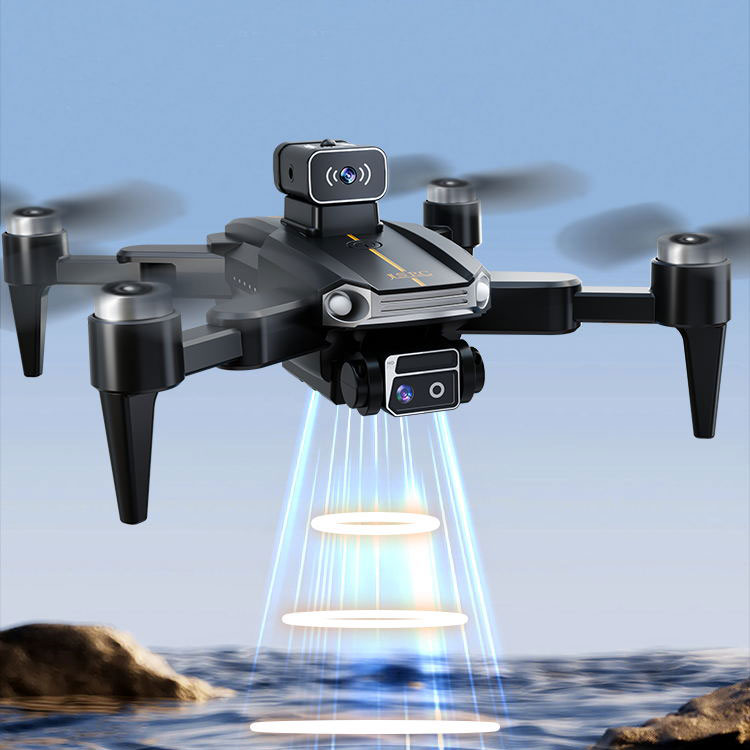 . Drones equipped with sensors help monitor crop health, irrigation needs, and soil conditions, leading to increased productivity. Furthermore, in the real estate sector, drones provide aerial footage that enhances property listings and marketability, offering clients a unique perspective.
Public safety and search and rescue operations greatly benefit from drones, enabling faster location scanning and surveillance, thus saving critical time in emergencies. Similarly, logistics companies utilize drones to revolutionize delivery services, promising quicker and more cost-effective solutions.
Drone Technology and Innovation
As we unravel the meaning of drones further, their role in enhancing innovation becomes evident. Advancements in drone software for mapping and data analytics are enabling environmental monitoring, such as assessing wildlife population and detecting illegal deforestation activities.
With connectivity becoming pervasive, drones are increasingly being integrated into IoT frameworks, leading to smarter cities where real-time data collection optimizes infrastructure and resource allocation.
Challenges and Ethical Considerations
Notwithstanding the myriad benefits, drone technology poses challenges, especially regarding privacy concerns, airspace regulation, and safety issues. Ensuring responsible usage while fortifying regulatory frameworks remains paramount in the drone industry’s growth potential.
Future Prospects
The evolution of drone technology hints at remarkable future prospects, from potentially flying taxis to routine parcel deliveries, making it essential to continually explore its ever-expanding applications and technological capabilities.
Frequently Asked Questions
- What is the primary function of drones?
- Drones are utilized for targeted activities that range from capturing aerial imagery to executing delivery tasks and conducting surveillance.
- How are drones powered?
- Most drones operate on batteries, which can be recharged, while larger industrial drones may use fuel-powered engines for extended use.
- Are drones safe to use?
- While generally safe, drones must follow specific regulations regarding height limits, flight zones, and safety protocols to avoid collisions and ensure public safety.