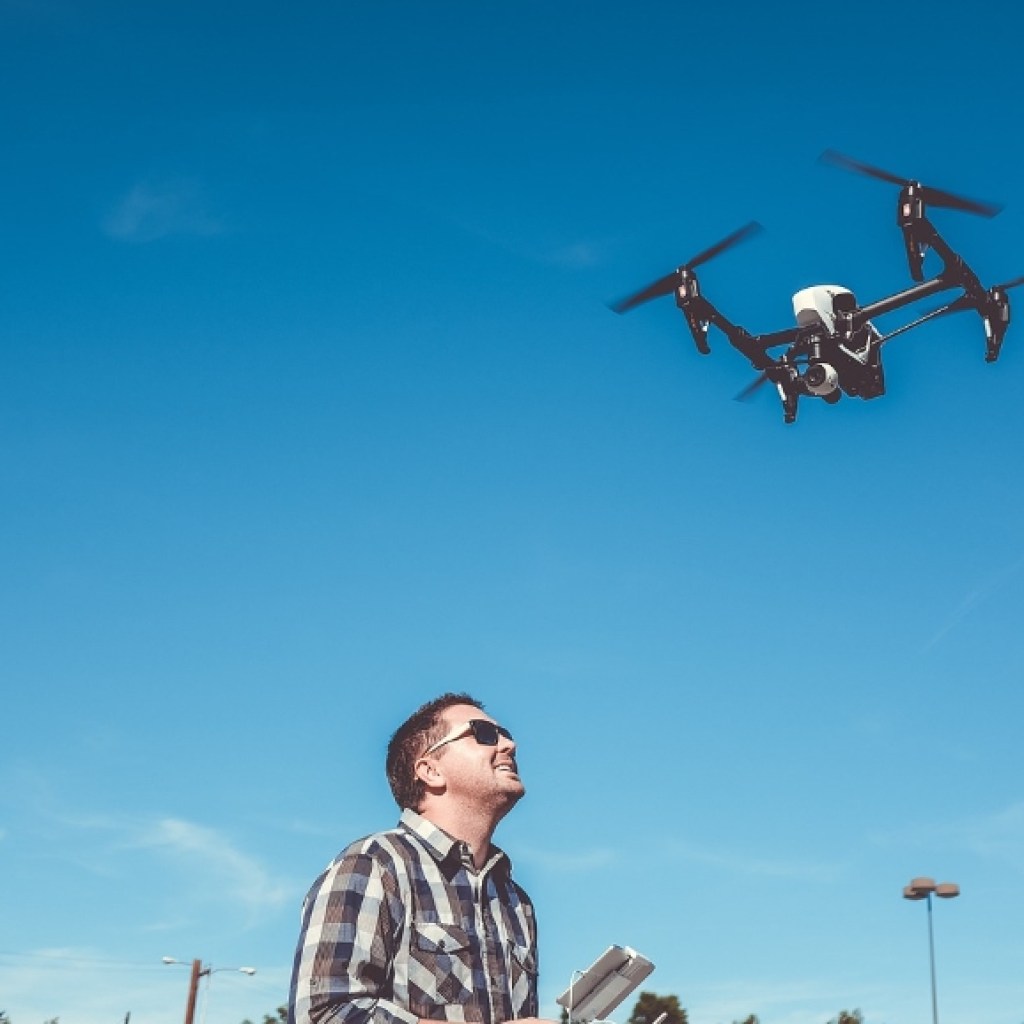
In recent years, the transformational impact of drones in Massachusetts has been significant across various sectors. Originally gaining fame for military applications, drones are now key players in fields as diverse as real estate, agriculture, and environmental conservation. This article explores how drones have become indispensable tools in Massachusetts and continue to shape numerous industries.
Real Estate and Aerial Photography
One of the primary sectors benefiting from drones in Massachusetts is real estate. By providing stunning aerial views and high-resolution images, drones greatly enhance property listings. Before drones, acquiring such imagery required helicopters, which were costly and sometimes impractical. Now, realtors can showcase homes from unique angles, appealing to potential buyers through visually dynamic presentations.
Agriculture and Precision Farming
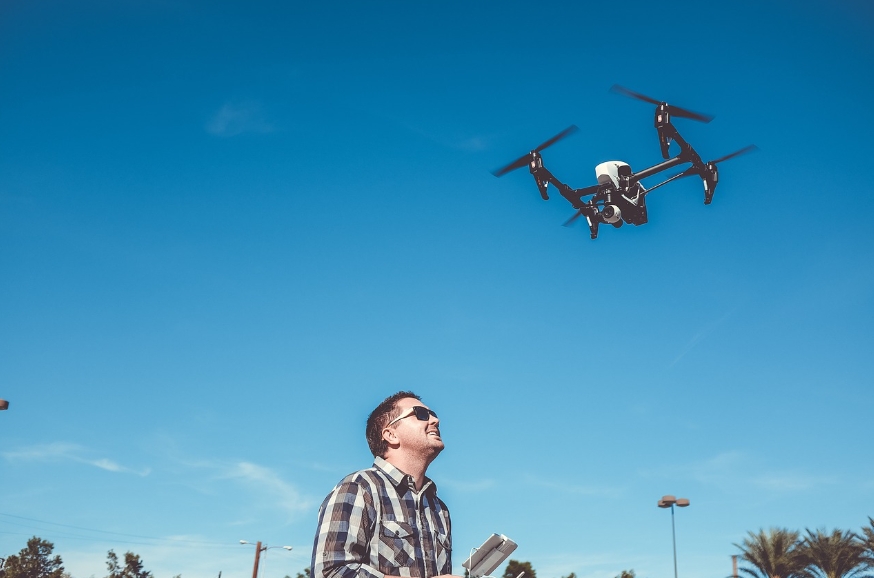
Drones have revolutionized agriculture in Massachusetts by supporting precision farming techniques. Equipped with advanced sensors and cameras, drones can gather data on crop health, soil conditions, and irrigation levels. This information helps farmers manage resources more efficiently, reducing waste and enhancing crop yields. In regions like the Pioneer Valley, farmers use drones to monitor large tracts of farmland quickly and effectively.
Environmental Conservation and Research
The role of drones in environmental conservation cannot be overstated. In Massachusetts, drones are pivotal in monitoring wildlife habitats, tracking changes in ecosystems, and conducting research without disturbing natural environments. For instance, conservationists use drones to assess coastal erosion and monitor marine life, providing invaluable data to protect vulnerable species and habitats.
Search and Rescue Operations
Drones have become critical tools in search and rescue missions across Massachusetts. Equipped with thermal imaging and other advanced technologies, drones can locate missing persons in challenging terrains, such as dense forests or mountainous areas. Their ability to cover large areas quickly and efficiently can be the difference between life and death in emergency situations.
Infrastructure Inspection and Maintenance
The maintenance of infrastructure, such as bridges and roads, has also benefited from drone technology. In Massachusetts, drones are utilized to perform detailed inspections of structures, reducing the need for manual inspections that can be time-consuming and dangerous. This not only increases efficiency but also ensures safety regulations are met without the high costs associated with traditional methods.
Commercial Deliveries and Logistics
While still emerging, the use of drones for commercial deliveries is gaining traction in Massachusetts. Companies are exploring drones as a means to deliver goods more efficiently, particularly in urban areas where traffic congestion can be a significant issue. Although regulatory challenges remain, the potential for drones to transform logistics is immense, promising faster and more sustainable delivery solutions in the future.
Education and Research Advancements
Educational institutions in Massachusetts are incorporating drones into their curricula, fostering innovation and expanding research capabilities. Students are learning to operate and program drones, preparing for careers in this rapidly growing field. Universities are using drones for research projects, exploring applications in science, engineering, and beyond.
Frequently Asked Questions
What are the legal requirements for flying drones in Massachusetts?
Operators must adhere to FAA regulations, which include registering drones if they weigh between 0.55 and 55 pounds, and following guidelines for recreational and commercial use. Massachusetts may also have state-specific laws, so it’s crucial to remain informed about local regulations.
Can drones be used for delivery services in Massachusetts?
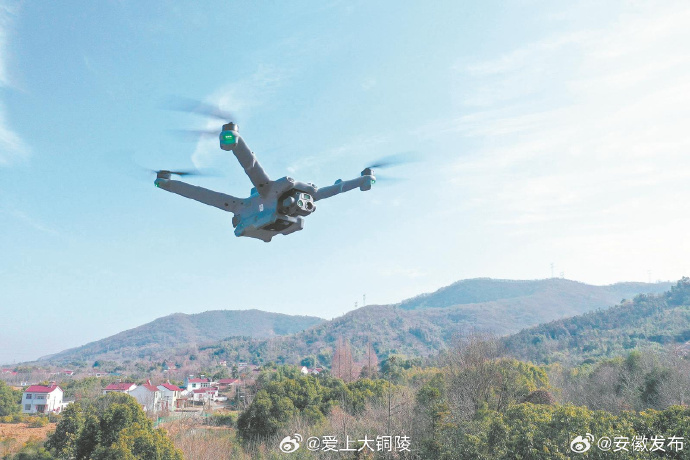
While the technology exists, drone deliveries in Massachusetts face regulatory hurdles. The FAA is developing frameworks to ensure safe and legal drone deliveries, but widespread implementation is still on the horizon.
How are drones being integrated into educational settings in Massachusetts?
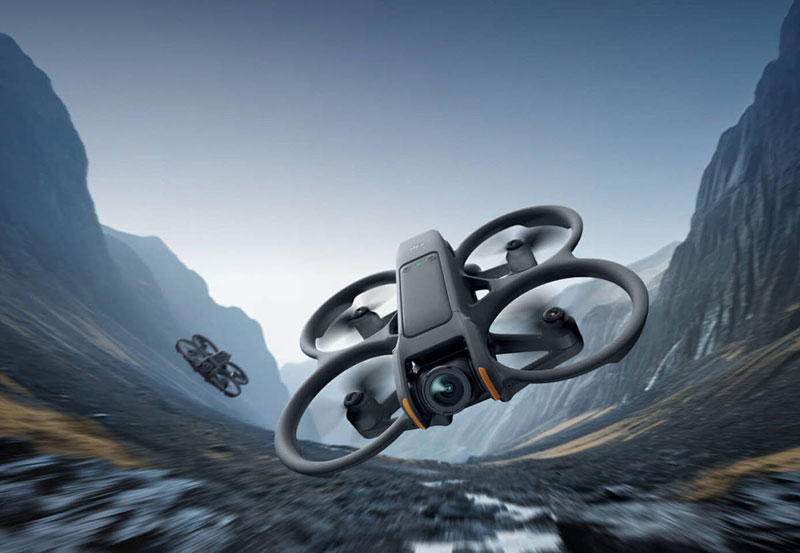
Many schools and universities incorporate drones into STEM programs, teaching students about design, programming, and operation. This hands-on experience is invaluable as drones become a staple in various industries.