
Drone motor technology is a cornerstone in the advancement of drone capabilities, with immense potential to revolutionize several industries. The drone motor, often overlooked in the sleek design of modern drones, plays a vital role in determining the drone’s ability to soar, hover, and maneuver efficiently.
The Significance of Drone Motor Technology
Drone motors are the lifeline of unmanned aerial vehicles. Their efficiency directly impacts flight time, speed, and the overall smoothness of operations. As technology evolves, engineers continue to innovate, leading to motors that are not only lighter but more powerful. This shift allows drones to carry heavier payloads without compromising on speed or maneuverability.
Types of Drone Motors
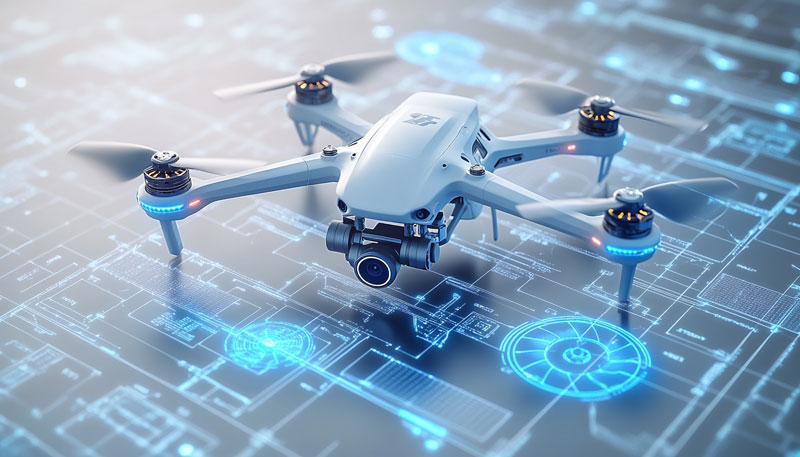
There are primarily two types of drone motors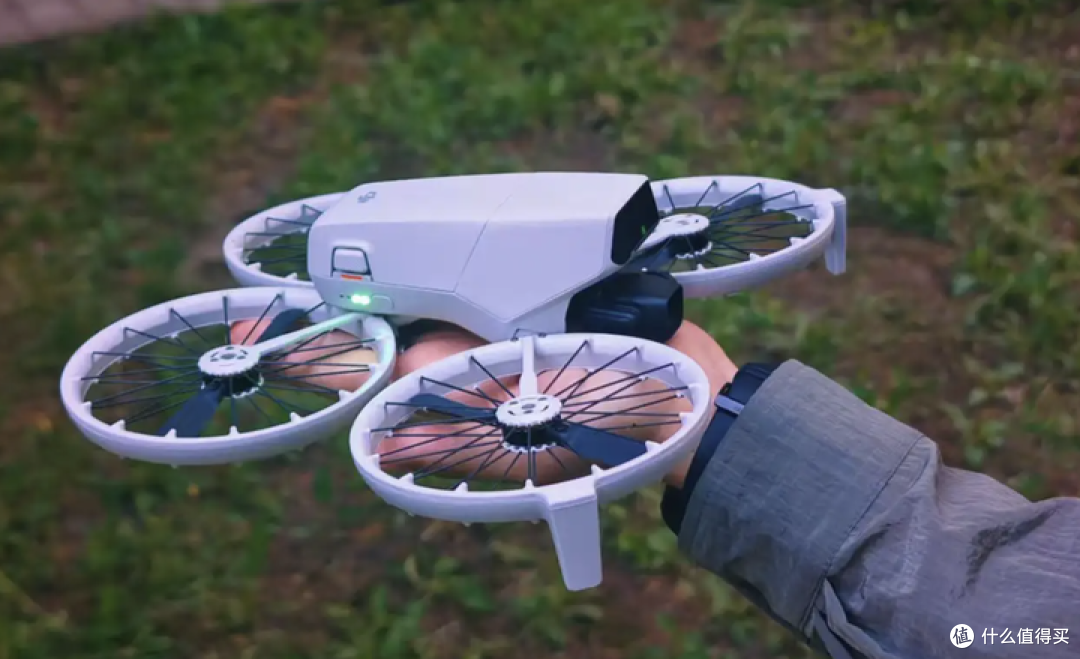 : brushed and brushless motors. Brushed motors, being traditional, are easier to manufacture and cheaper, making them suitable for beginners or lower-end drones. They use a mechanism where brushes make physical contact with the commutator to deliver current to the motor windings. In contrast, brushless motors are advanced and more efficient, eliminating the need for brushes by employing electronic commutation. The lack of friction results in a longer lifespan and a quieter operation, essential for drones that require stealth or endurance.
Choosing the Right Drone Motor
When selecting a drone motor, several factors must be considered:
- Motor Size: Determines the physical compatibility with the drone frame and its power output.
- KV Rating: The speed at which the motor spins per volt; higher KV means faster speed but often less torque.
- Thrust-to-Weight Ratio: Crucial for drones needing to lift heavy payloads or execute swift maneuvers.
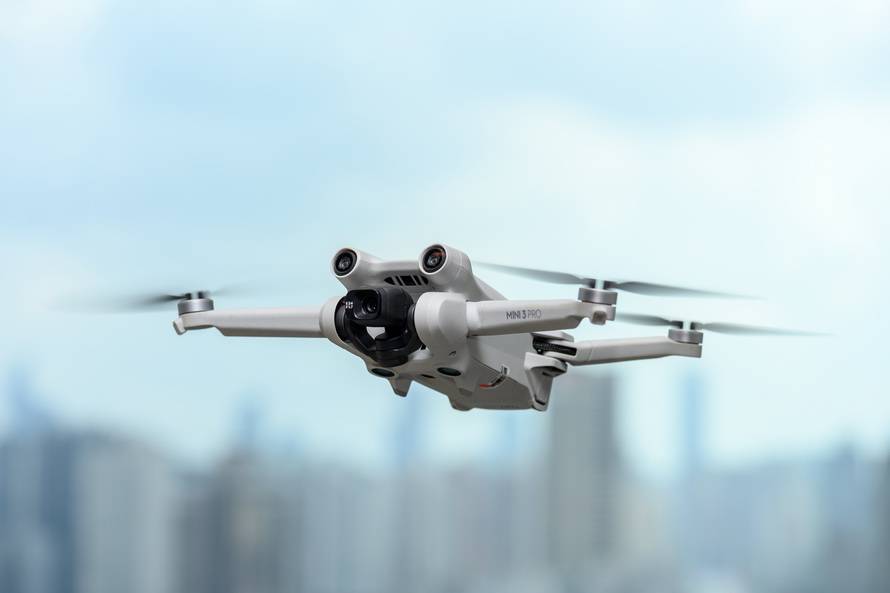
The right motor choice ensures optimal performance, extending flight time and enhancing stability during complex aerial tasks.
Impact of Drone Motor Innovations
Innovations in drone motor technology are pushing the boundaries of what drones can achieve. Advanced materials like carbon fiber and ceramic are being incorporated for reducing weight while maintaining durability. Additionally, electronic speed controllers (ESC) are becoming smarter, providing real-time adjustments for power and efficiency. These innovations enable drones to perform sophisticated tasks, from environmental monitoring to delivery services, with heightened precision.
Real-World Applications of Drone Motor Technology
Drone motors are instrumental in industries such as agriculture, where drones equipped with high-power brushless motors are used for crop monitoring and spraying pesticides. In the filmmaking industry, drones enable breathtaking aerial shots, showcasing scenes from angles once thought impossible. Security firms utilize drones for surveillance, where motor reliability and speed are imperative for quick response times.
A notable development is the integration of AI-driven drones that use enhanced motor technology to autonomously navigate complex environments, offering solutions in search and rescue missions. The adaptability provided by modern drone motors ensures that these machines remain at the forefront of technological advancement, ready to tackle new challenges.
Challenges and Future Prospects
While the future of drone motors looks promising, challenges persist in optimizing battery life and ensuring sustainable production practices. Researchers are exploring alternative energy sources and eco-friendly materials, aiming to further propel the capabilities of drones without environmental compromise. The demand for motors that support faster, more reliable, and environmentally conscious drones rises steadily. With continued innovation, the potential for drones is limitless, spanning industries and transforming societal functions.
Frequently Asked Questions (FAQ)
Q: What is the difference between brushed and brushless drone motors?
A: Brushed motors use brushes for current transfer, leading to more friction, while brushless motors employ electronic commutation, resulting in higher efficiency and longer life.
Q: How do I choose the right drone motor?
A: Consider factors such as motor size, KV rating, and thrust-to-weight ratio based on your specific drone’s requirements.
Q: Are there environmental concerns with drone motor production?
A: Yes, the industry is exploring sustainable materials and energy-efficient technologies to minimize environmental impact.