
Understanding Drone Licensing
The term “licensing a drone” refers to obtaining official permission to operate drones legally. It involves registering the drone and the pilot, thereby ensuring compliance with aviation laws and regulations. The primary authority in charge of drone licensing varies by country, but often includes agencies like the Federal Aviation Administration (FAA) in the United States.
Why License a Drone?
Licensing a drone ensures adherence to established safety standards. Unlicensed operation can lead to risky flying, posing threats to privacy, property, and personal safety. Additionally, it opens up new opportunities for commercial drone operations, which require a higher level of scrutiny and regulatory compliance.
Key Steps in Licensing a Drone
1. Drone Registration: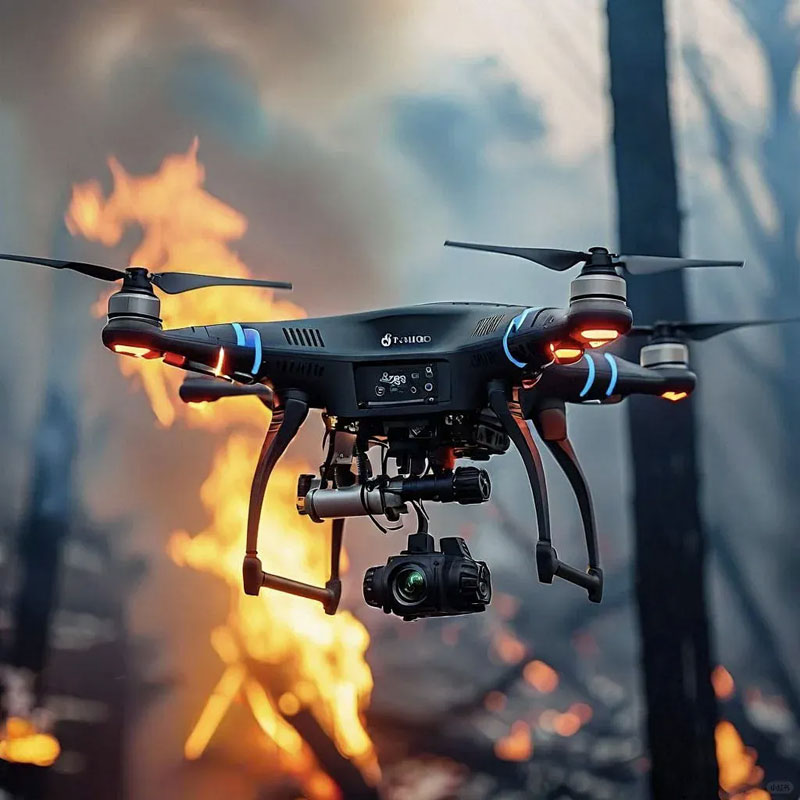 This is usually the initial step, requiring you to provide information about the drone’s manufacturer, model, and serial number.
2. Pilot Certification: Aspiring pilots must undergo training and pass a proficiency exam to become certified drone operators.
3. Compliance with Local Autonomy Laws: Certain areas may have additional restrictions, requiring you to check local drone operation laws.
Regulatory Bodies and Their Role
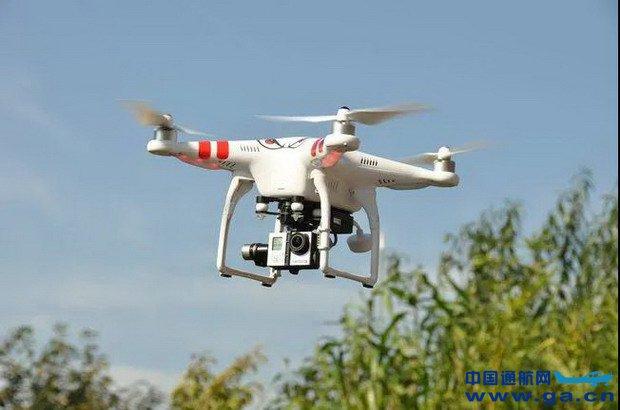 In the United States, the FAA oversees drone operations. It mandates that drones weighing above a certain threshold must be registered, and operators must acquire a Remote Pilot Certificate. Other countries have similar regulatory bodies tasked with ensuring safe drone operations.
In Europe, the European Union Aviation Safety Agency (EASA) is responsible, offering a unified framework for drone operations across member states.
Commercial vs. Recreational Use
Commercial drone operations demand stricter licensing requirements than recreational use. Operators engaged in commercial services must comply with specific regulations, including restricted flight zones, airworthiness standards, and liability insurance.
Recreational users, however, face fewer restrictions, although they must still adhere to basic safety rules, such as not flying near airports or in crowded areas.
Future Trends in Drone Licensing
Drone technology is advancing rapidly, prompting continual updates to licensing protocols. Emerging trends include automated systems for faster licensing and AI-integrated operations that necessitate advanced certification.
As urban air mobility grows, regulatory bodies are likely to introduce new licensing categories to accommodate air taxis or delivery drones.
Frequently Asked Questions
What happens if a drone is operated without proper licensing?
Operating a drone without a license can result in fines, legal action, or confiscation of the drone. It also poses safety risks.
How long does the licensing process typically take?
The duration varies by country but generally involves several weeks for registration and certification exams. Some countries offer expedited processes for commercial operators.
Overall, licensing a drone sets the groundwork for responsible and innovative aerial operations, ensuring both compliance and safety in the skies.