
In recent years, the advancement of drone technology has been nothing short of revolutionary, transforming sectors ranging from agriculture to filmmaking. Central to this innovation are drone motors, pivotal components that drive these aerial machines to new heights.
Understanding Drone Motor Basics
Drones rely on electric motors for propulsion, converting electrical energy into mechanical power. The engines govern the speed and stability of drones, influencing factors like flight duration and payload capacity. More compact and efficient designs have emerged over time, significantly impacting the industry.
Types of Drone Motors
There are two primary types of motors used in drones: brushless and brushed motors. Brushless motors are the more popular choice, favored for their efficiency and longevity. They contain fewer moving parts, reducing the wear and tear experienced over time, and enhancing reliability. Brushed motors are simpler and cheaper but tend to wear out faster due to the physical contact between brushes and the commutator. Thus, they are generally used in smaller, toy-like drones.
The Rise of Brushless Technology
Brushless motors have revolutionized the drone industry. They achieve higher efficiency by minimizing energy lost as heat and friction, ensuring longer life spans and quieter operations. Advances in technology have resulted in brushless motors becoming lighter, more robust, and easier to maintain, aligning with the industry’s demand for compact and efficient designs.
Smart Motor Controllers
Smart motor controllers play a crucial role in optimizing drone performance. These controllers process real-time data, making rapid adjustments to maintain stability and responsiveness. They govern the motor’s functions to ensure smooth transitions during changes in flight direction or speed. Some modern drones are equipped with Artificial Intelligence (AI) to further enhance their adaptability to changing environmental conditions.
The integration of AI in motor controllers permits drones to learn from previous flights and adapt their performance, improving efficiency and safety with each journey.
As drone technology continues to evolve, manufacturers are experimenting with different configurations for drone motors to maximize efficiency and power. Innovations such as advanced propeller designs and lightweight materials are becoming more prevalent.
Future Trends in Drone Motors
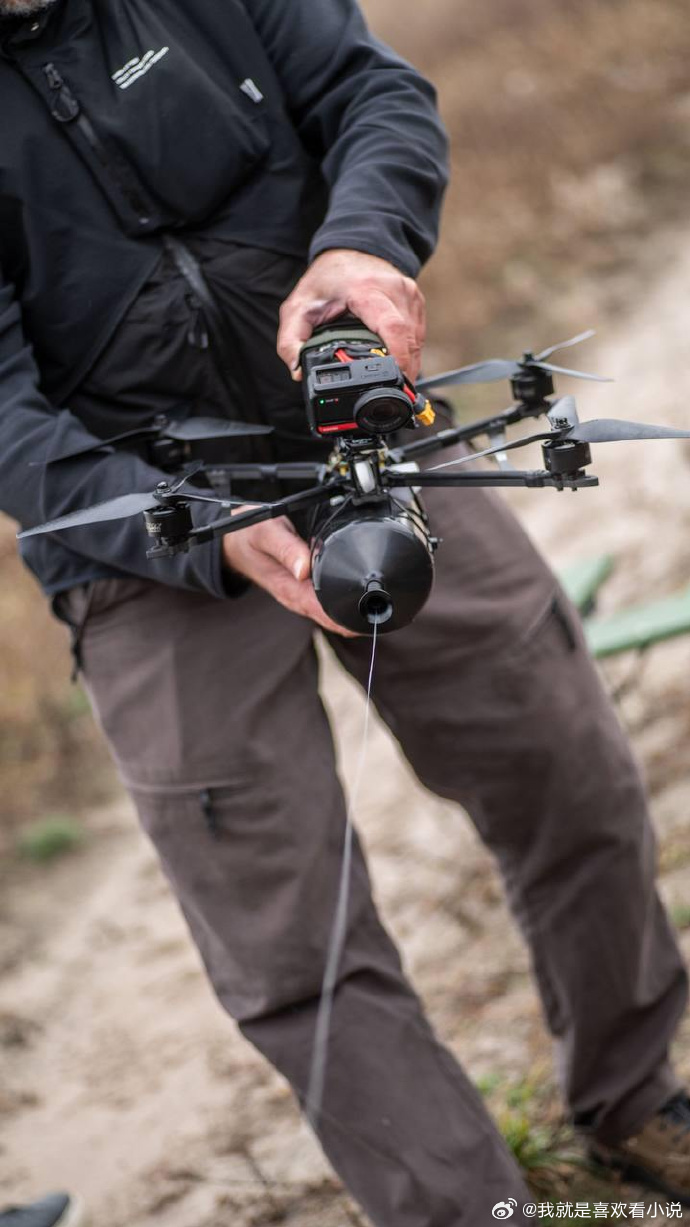
Emerging technologies like hybrid engines, which combine the benefits of electric motors with traditional fuel engines, promise longer flight durations and enhanced payload capabilities. Additionally, researchers are exploring the potential of magnetic levitation technologies to further reduce friction and improve efficiency.
There is also a significant push towards environmentally friendly motors. With the global emphasis on sustainability, the development of motors that minimize environmental impact is increasingly important.
FAQs: Frequently Asked Questions
- What makes brushless motors better than brushed motors?
Brushless motors have fewer moving parts, resulting in less wear and tear, greater efficiency, and longevity.
- How do motor controllers enhance drone performance?
Motor controllers adjust motor functions based on real-time data, ensuring stability and smooth flight transitions.
- Are there eco-friendly options for drone motors?
Yes, there is ongoing research and development aimed at creating environmentally friendly motors with minimized ecological impacts.