
Flying a drone is not just a pastime; it’s an intricate hobby that requires skill, understanding, and responsibility. With the explosion of drones’ popularity, more enthusiasts are eager to take to the skies and capture breathtaking aerial views. But before you become the next drone-flying expert, it’s crucial to master the basics that can enhance your piloting skills and ensure safe flights. In drone piloting, technique is everything, and knowledge is power.
Understanding Your Drone
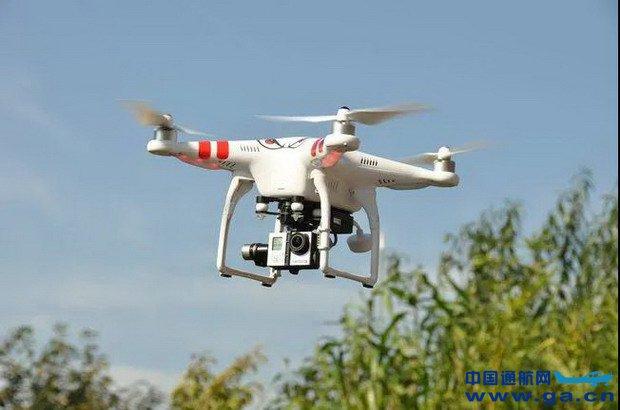
Begin by familiarizing yourself with the drone’s components. Whether it’s a quadcopter or a more advanced model, knowing what each part does—such as the gimbal, rotors, and camera—can significantly enhance your ability to maneuver and troubleshoot your drone. The remote control serves as the drone’s brain, allowing you to guide its flight path with precision.
Safety First in Drone Flying
Safety must always be a priority. Before flying a drone, check local laws and regulations. It’s important to know where you can fly legally, as restrictions often exist around airports and populated areas. Make sure your drone is always in sight: flying beyond your visual line can lead to loss of control. In addition, avoid flying in adverse weather conditions to prevent damage to the equipment or harm to others.
Perfecting the Flight Techniques
Optimize Drone Settings for Best Results
Understanding the technology behind your drone’s settings is essential. Adjusting sensitivity, flight modes, and camera settings can make a great difference. For instance, using the GPS mode can stabilize your drone flight, and altering camera resolutions can achieve sharper images. Find the balance between speed and control to get the best performance.
Drone Maintenance and Care
Regular maintenance is crucial to ensure the longevity of your drone. After each flight, inspect the drone for any wear or damage. Clean the propellers and body to prevent the buildup of dirt that can affect flying capabilities. Proper battery care also cannot be overstated; ensuring batteries are charged safely and stored appropriately will extend their life.
Capturing the Perfect Shot
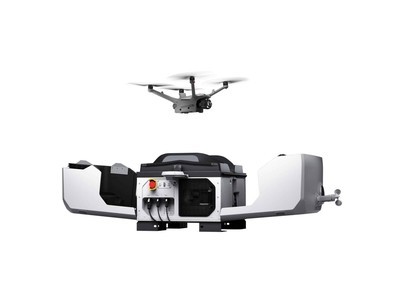
Photography is one of the major draws for drone enthusiasts. Discover lighting techniques and angles as these can dramatically change the perspective and quality of your images. Try flying at different times of the day, such as during the golden hour, to capture beautiful hues. Experiment with composition by considering elements in your frame that will enhance the visual storytelling.
FAQs about Drone Flying
How high can I legally fly a drone?
Typically, drones can be flown up to 400 feet, but this can vary depending on local regulations. Always check rules that are specific to your location before flying.
What should I do if I lose connection with my drone?
If your drone loses connection, it is programmed to either hover, land, or return to home. Setting the ‘return to home’ is a recommended practice for beginners to avoid losing drones.