
The integration of drones in inspection processes is transforming industries, enhancing safety measures, and offering unparalleled efficiency. As businesses and sectors increasingly adopt drone technology, the impact is profound, revolutionizing traditional methods and paving the way for innovation in various fields. The use of drones spans from industrial inspections to critical infrastructure assessments, ensuring detailed examinations without compromising safety.
Advantages of Using Drones in Inspections
Drones offer a significant advantage in drones in inspection activities by providing aerial perspectives that were previously inaccessible. This capability allows for thorough and accurate assessments of structures, surfaces, and materials without risking human lives. Inspectors can remotely collect data, which ensures high accuracy and enhanced safety measures.
Cost-Effectiveness and Time Efficiency
One major impact of using drones in inspection processes is the reduction in operational costs and time. Deploying drones is often cheaper and faster than traditional methods like scaffolding or helicopters. This benefit is particularly significant in sectors that require frequent inspections and maintenance, such as construction and energy industries.
Drones equipped with advanced cameras and sensors can quickly scan large areas and transmit real-time information, facilitating quick decision-making and timely responses to potential issues.
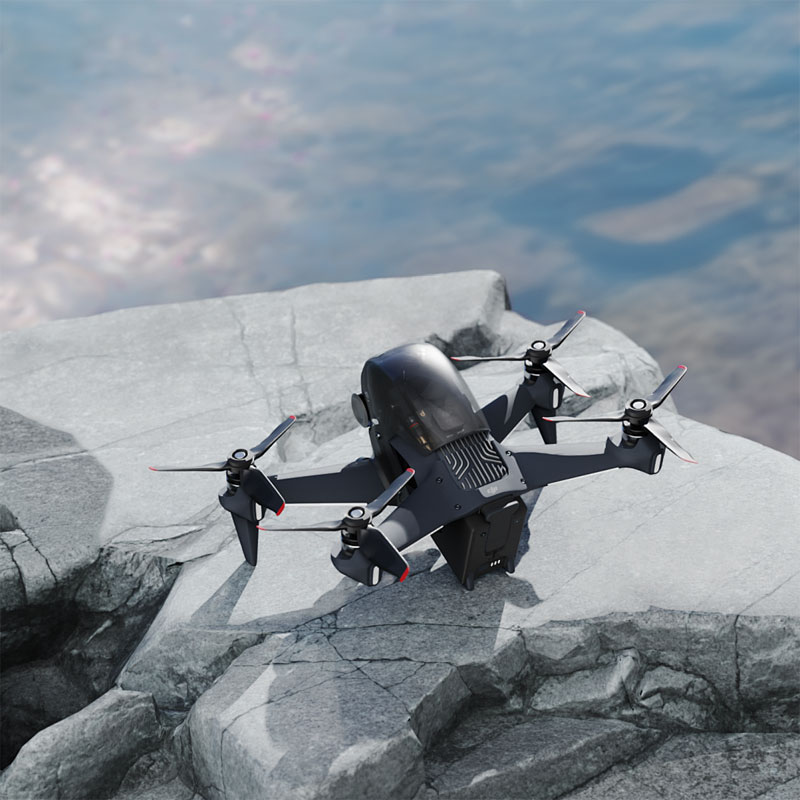
Technological Advancement in Drone Inspection
The rapid advancement of technology related to drones has significantly improved their capabilities for inspections. Modern drones can feature thermal imaging, LiDAR, and 3D modeling, which provide detailed and comprehensive data collection. As technology evolves, drones continue to enhance diagnostic abilities and the accuracy of inspections.
Applications Across Industries
Drones are versatile tools used in a myriad of industries for inspection purposes:
- Construction:
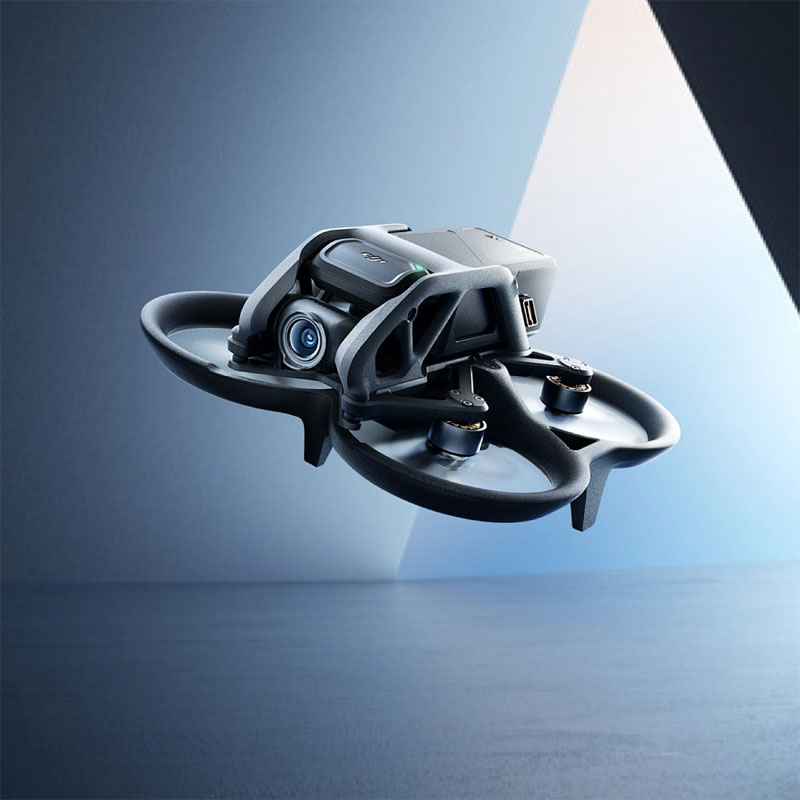 Drones monitor site progress, perform safety inspections, and provide updates without interrupting ongoing work.
 - Energy Sector: Inspections of power lines, wind turbines, and solar panels are conducted efficiently with drone technology, reducing the need for physical presence in hazardous areas.
- Mining: Drones map landscapes and predict geological formations, which aids in resource assessment and environmental impact studies.
Challenges and Considerations
Despite the benefits drones offer, there are challenges associated with their use in inspections. Privacy regulations, airspace permissions, and technical limitations can affect operations. Therefore, companies must implement strategic planning and adhere to guidelines to maximize the efficacy of drone inspections without infringing on legal or ethical boundaries.
Future of Drone Inspections
The future of drones in inspection is promising, with continuous enhancements in AI and machine learning offering predictive maintenance capabilities. As drones become more autonomous, their ability to carry out inspections without human intervention will increase, leading to safer, faster, and more detailed assessments.
FAQs
Q: Are drones replacing human inspectors?
A: While drones enhance inspection processes, they supplement rather than replace human expertise. Human inspectors analyze drone data and make decisions based on insights.
Q: How do drones handle complex environments?
A: Equipped with advanced technologies such as LiDAR, drones can navigate and map complex environments effectively, identifying areas requiring attention.
Q: What is the impact of drones on industry safety standards?
A: Drones raise the bar for safety standards by minimizing human exposure to dangerous situations and providing comprehensive data for risk management.