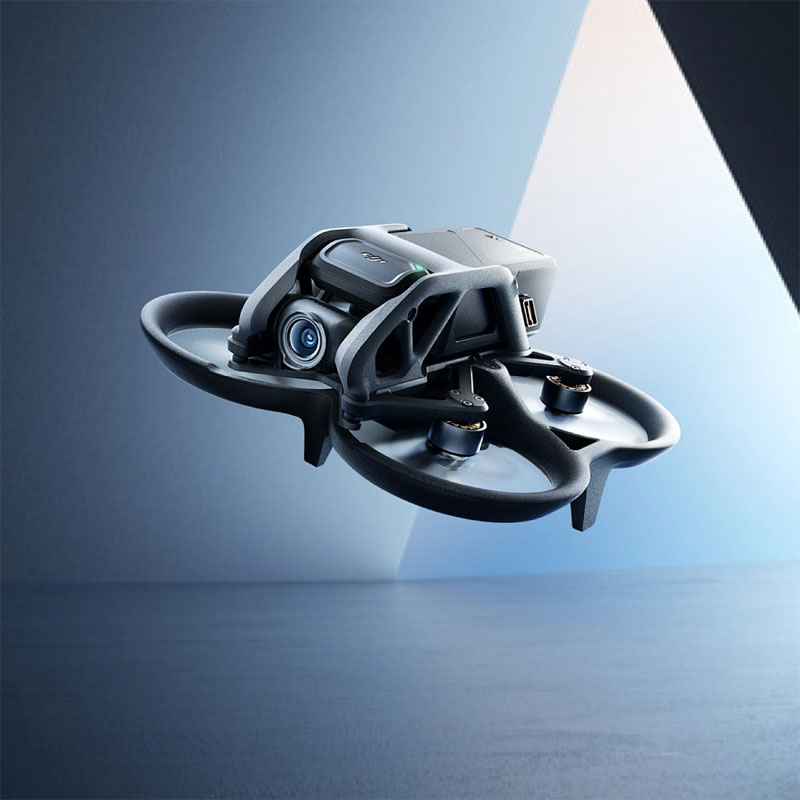
In recent years, camera drones have skyrocketed in popularity, becoming an essential tool for hobbyists, filmmakers, and professionals who aim to capture the world from new perspectives. Their unprecedented ability to shoot high-definition aerial footage has transformed the creative possibilities in photography and videography, making “Explore the Sky” more accessible than ever.
What Makes Camera Drones So Special?
Camera drones combine advanced technology with ease of operation, allowing users to unleash their creativity with minimal effort. These aerial devices are equipped with top-of-the-line cameras, GPS systems, and various sensors, providing stability and precision that rival ground-based equipment. With features like follow modes, panoramic shots, and obstacle avoidance, users can focus on capturing breathtaking images rather than piloting the device.
Features to Look for in Camera Drones
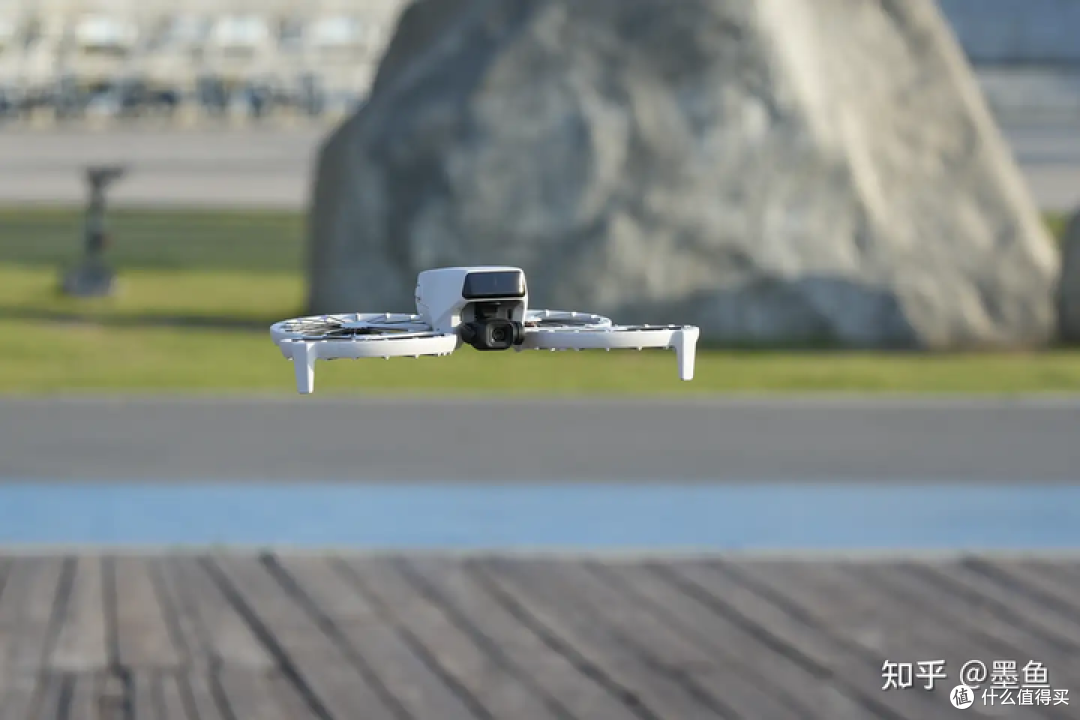
When choosing a camera drone, several attributes should be considered to ensure it meets your creative needs. The camera quality is paramount; look for 4K resolution or higher for crisp photos and vibrant videos. Battery life is another critical factor, determining how long you can stay airborne before needing to recharge. Flight range and speed can also affect how wide an area you can cover and how quickly you can maneuver the drone. Lastly, consider the controller quality and whether the drone supports apps or external devices for enhanced control.
User-friendly designs are highly sought after. Intuitive controls, automation features, and smart functionalities like subject tracking can significantly enhance the user experience. Beginners should seek drones with robust training modes and safety features, such as automatic return-to-home functions, which help prevent loss due to low battery or connectivity issues.
Applications of Camera Drones
The capabilities of camera drones extend far beyond photography and filmmaking. In agriculture, drones are being used to monitor crop health and manage land resources more effectively. Environmentalists employ them to survey wildlife populations and assess the environmental impact of human activities. Meanwhile, construction industries utilize drones for site inspections, reducing the need for risky manual checks.
Furthermore, search and rescue teams have adopted camera drones for rapid area assessments, providing real-time data to locate missing persons more efficiently.
Legal and Safety Considerations
While the advantages of camera drones are numerous, it’s important to recognize regulatory requirements and safety guidelines set forth by aviation authorities. Operators should familiarize themselves with local drone usage laws, which often stipulate altitude ceilings, no-fly zones, and operational permits. You must maintain visual line-of-sight during flight, ensuring the safety of both your drone and the public.
Maximizing Creative Potential
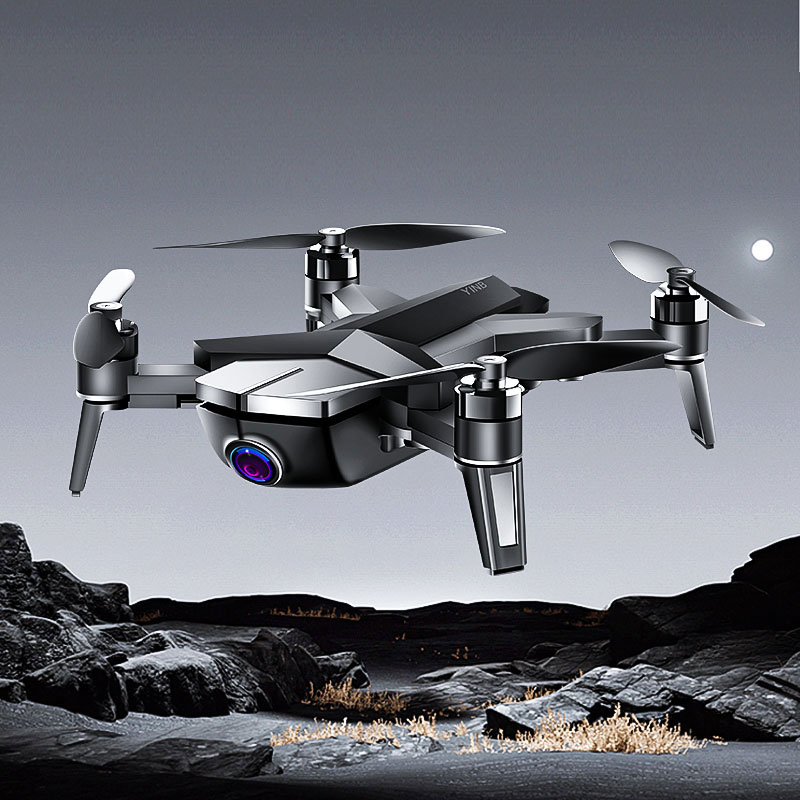
Effectively utilizing a camera drone requires practice and a willingness to experiment with various settings and techniques. Opt for early morning or late afternoon flights, when natural lighting conditions are optimal for photography. Experiment with angles and movements to add dynamic elements to your shots. Don’t hesitate to explore editing software that can enhance your footage, such as stitching together panoramic views or creating dramatic slow-motion sequences.
FAQs About Camera Drones
- What are the top brands for camera drones?
- Leading brands include DJI, Parrot, and Autel Robotics, known for their innovation and quality.
- How do I choose the right drone for me?
- Consider your skill level, the type of footage you want to capture, and your budget. Research features and read reviews to make an informed decision.
- Can I fly a drone anywhere?
- No, there are restrictions based on location and airspace regulations. Always check local laws before flying your drone.