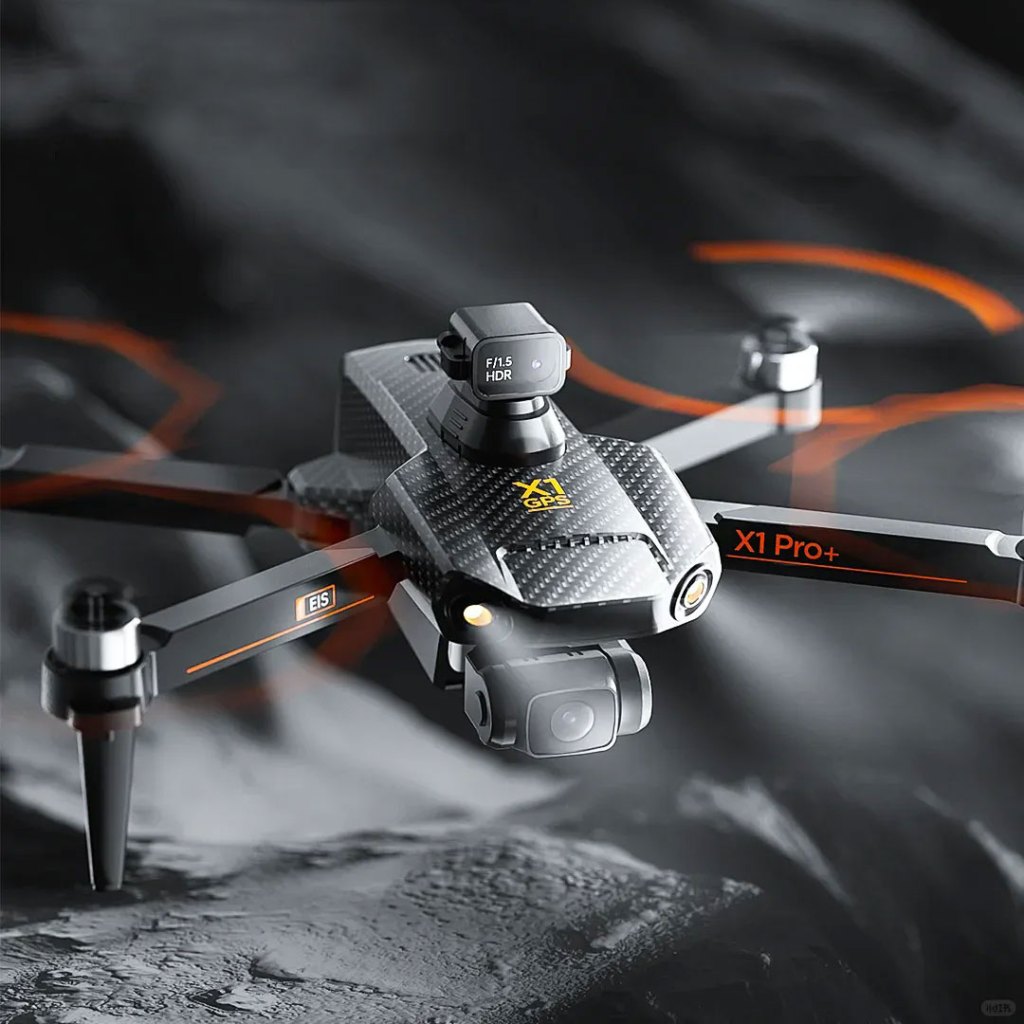
Exploring the Future of Transportation with Drone Cars
The world of transportation is on the brink of a groundbreaking revolution. With advancements in technology, the concept of drone cars is emerging as a phenomenon that promises to transform how we navigate our urban landscapes and beyond. In this article, we explore the potential impact of drone cars on modern transportation, focusing on their innovative features and the promising future they herald. The term “drone car” refers to autonomous vehicles that leverage drone technology to function, creating a hybrid mode of transport that marries the best aspects of both sectors.
The Rise of Drone Cars
Drone cars embody the synthesis of cutting-edge aerospace and automotive engineering. This hybrid mode of transportation offers several advantages; most prominently, drone cars can mitigate traffic congestion by utilizing vertical take-off and landing (VTOL) capabilities, thus relieving the pressure from crowded roads. Furthermore, drone cars promise enhanced efficiency and environmental benefits, utilizing electric propulsion systems that significantly reduce carbon footprints.
These remarkable advancements are made possible through the use of sophisticated technologies including artificial intelligence and machine learning, which enable autonomous navigation and decision-making processes in real-time. This autonomy not only increases safety by reducing human error but also promotes cost-effectiveness, as drone cars can operate around-the-clock without the need for a dedicated driver.
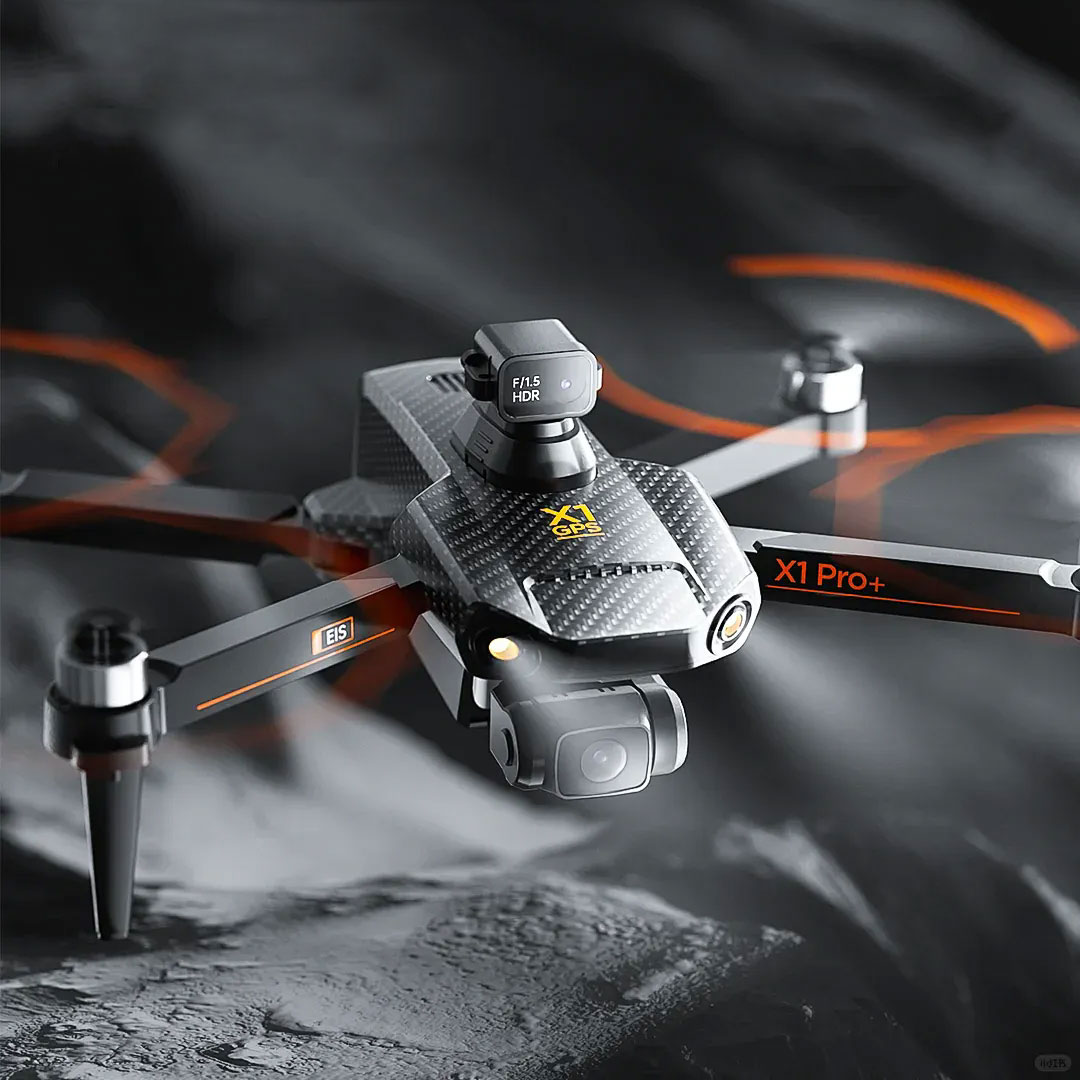
Impacts on Urban Planning
Drone cars are expected to have a profound impact on urban planning and the infrastructure of cities. As governments and developers prepare for integration, we may see a transformation in the construction of multi-modal transport hubs and redesigned road layouts that accommodate drone car stations. Such developments could lead to the creation of smarter cities, where drone cars interface seamlessly with traditional transportation systems.
The implementation of drone cars also affects economic aspects of transportation. On one hand, they promise reduced long-term costs associated with transit infrastructure maintenance; on the other, they pioneer new business models centered around on-demand air mobility services. Companies are already exploring potential commercial applications ranging from passenger transport to cargo delivery.
The Future of Drone Cars
The future of drone cars is tethered to continued technological advances and regulatory evolution. Increased investment in research and development is essential for overcoming challenges such as airspace regulation, security concerns, and public acceptance. Collaboration between technology firms, policymakers, and urban planners is crucial in ensuring the safe deployment of drone cars.
As these autonomous wonders become more prevalent, they are expected to also inspire further innovations in adjacent sectors, such as communication technologies needed for efficient traffic management and advances in battery technology that could extend the operational range of drone cars.
FAQs about Drone Cars
- What are the main challenges facing drone cars?
Drone cars face challenges with airspace regulations, technological reliability, security concerns, and public acceptance. Addressing these will be key to their widespread adoption.
- How do drone cars impact the environment?
The impact on the environment is largely positive due to the electric propulsion systems reducing emissions compared to conventional vehicles. Still, energy consumption and battery disposal are factors that need careful consideration.
- When can we expect drone cars to be available to the public?
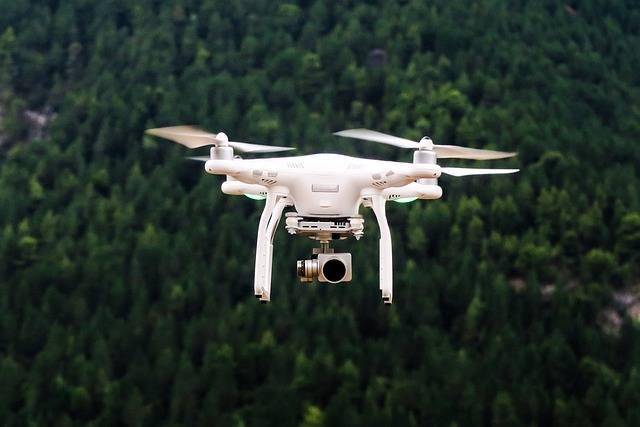
Availability largely depends on regulatory frameworks and technological advancements, but some regions may start introducing drone car systems within the next decade. Continued investment and trials are crucial.
As the world anticipates the future of transportation, drone cars are set to play an integral role in shaping a more connected and sustainable landscape.