
The field of modern technology is witnessing a significant transformation, with drones flying as one of the most revolutionary elements pushing the boundaries of innovation.
Introduction to Drones
Drones, also known as unmanned aerial vehicles (UAVs), have rapidly evolved from mere hobbyist gadgets to essential tools utilized across various industries. The integration of sophisticated technology, such as GPS, cameras, and artificial intelligence, has expanded their utility, making them indispensable in fields ranging from agriculture to emergency services.
How Drones Are Transforming Industries
Drones are being employed in agriculture to monitor crop health, optimize resource use, and improve overall yield. Conventional farming methods often rely on estimates and manual labor, whereas drones provide precise data that can lead to better-informed decisions. In construction, drones flying over construction sites provide real-time updates, improve safety, and enhance project efficiency. Search and rescue operations have also been revolutionized; drones can quickly scout hazardous areas, providing vital information to rescue teams and saving countless lives. Furthermore, in the energy sector, drones are used to inspect power lines and pipelines, reducing risk to human workers while maintaining infrastructure integrity.
The Rise of Drone Delivery Systems
One of the most anticipated advancements is the implementation of drone delivery systems. Companies like Amazon and UPS are investing heavily in this technology to revolutionize how goods are transported. The convenience and speed offered by drones flying directly to consumers’ doorsteps promise to redefine the logistics industry. However, this innovation also poses challenges, including airspace regulation, privacy concerns, and the need for new infrastructure.
Regulatory and Ethical Considerations
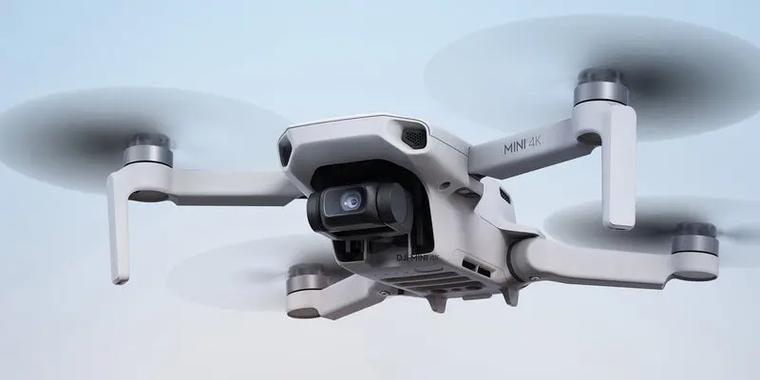 As the prevalence of drones increases, so do the challenges associated with their use. Ensuring safe integration into civilian airspace is paramount, requiring comprehensive regulations to prevent accidents and protect privacy. Lawmakers and regulatory bodies are constantly updating policies to address these issues, striving to balance technological advancement with public safety.
The Future of Drones
Looking forward, drones are expected to become even more autonomous, equipped with advanced machine learning algorithms that enable them to perform complex tasks with minimal human intervention. This could lead to breakthroughs in areas such as urban air mobility, disaster management, and environmental conservation. The ongoing miniaturization and improvement in drone technology will likely increase their accessibility, pushing their capabilities even further.
FAQs About Drones
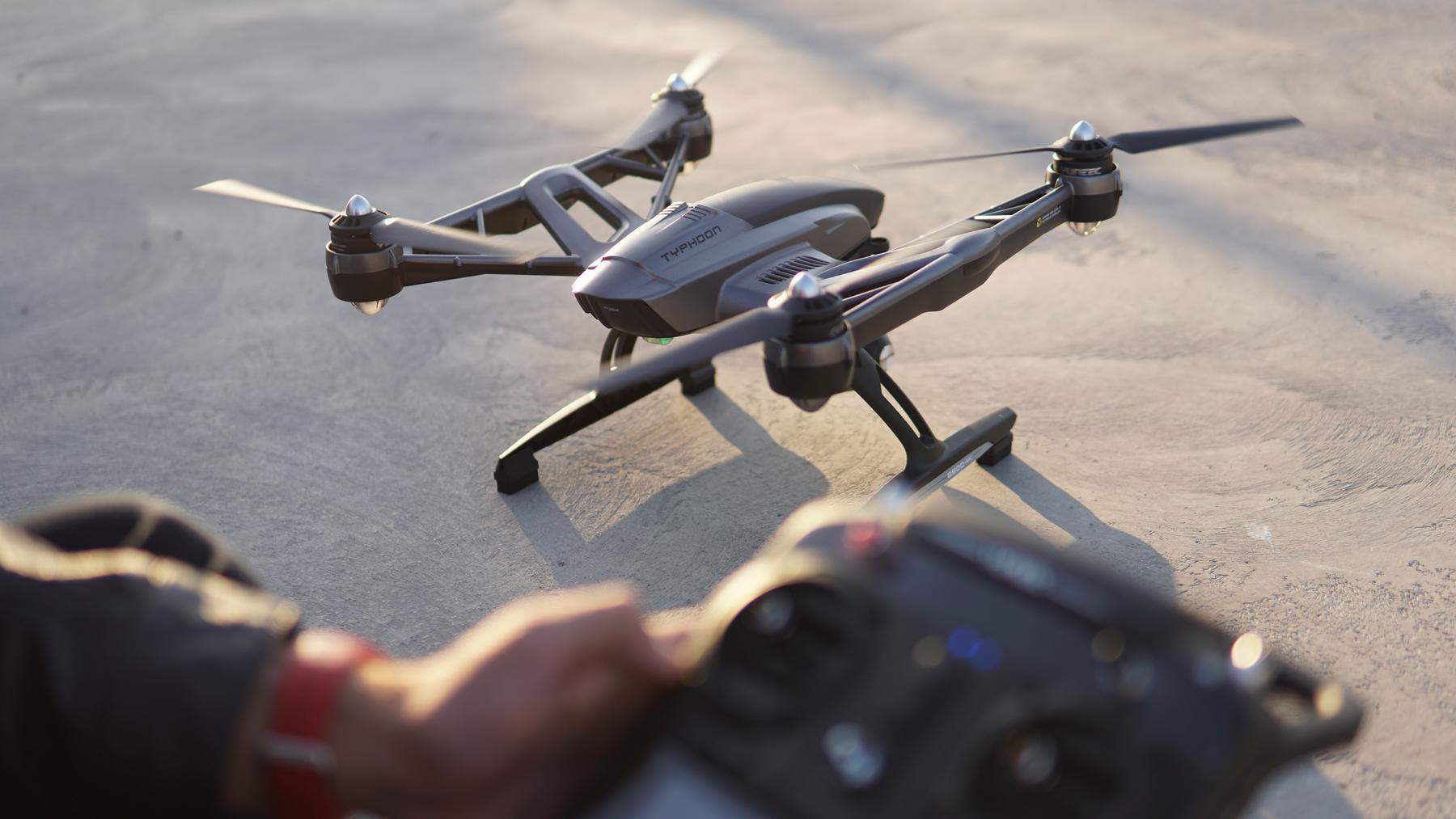 What are the main uses of drones today? Drones are used in various sectors including agriculture for analyzing crops, in construction for monitoring progress, and in logistics for delivery services. They are also vital in emergency services for search and rescue missions. Are drones safe to use in populated areas? While drones are generally safe, they require strict adherence to regulations and safety protocols to prevent accidents and invasions of privacy. As the technology progresses, safety measures are continually enhanced. Will drones replace traditional delivery methods? While drones offer a faster alternative to conventional delivery methods, they are unlikely to replace them entirely due to limitations such as payload capacity and regulatory hurdles. They will, however, complement existing systems to increase efficiency and speed.
The impact of drones flying high in modern technology cannot be overstated. From transforming industries to pioneering new practical applications, their role in shaping the future landscape of technology is assured. As innovation progresses, these flying marvels will undoubtedly continue to inspire and catalyze further advancements in various domains, ensuring they remain at the forefront of technological development.