
Exploring the Potential of Drones Equipped with Thermal Cameras

The integration of drones with thermal cameras has revolutionized various industries. These sophisticated devices can capture images based on heat emissions rather than visible light, providing a comprehensive perspective that traditional cameras cannot. Drones, renowned for their versatility and agility, combined with thermal imaging, offer enhanced precision in data collection and analysis. The utilization of thermal drones is vast and includes applications such as wildlife tracking, search and rescue missions, agriculture, and infrastructure inspection.
The adaptability of thermal drones allows them to perform efficiently in conditions where standard drones might falter. For instance, during night operations or in smoke-filled environments where visibility is compromised, thermal cameras pave the way for accurate imaging.
In agricultural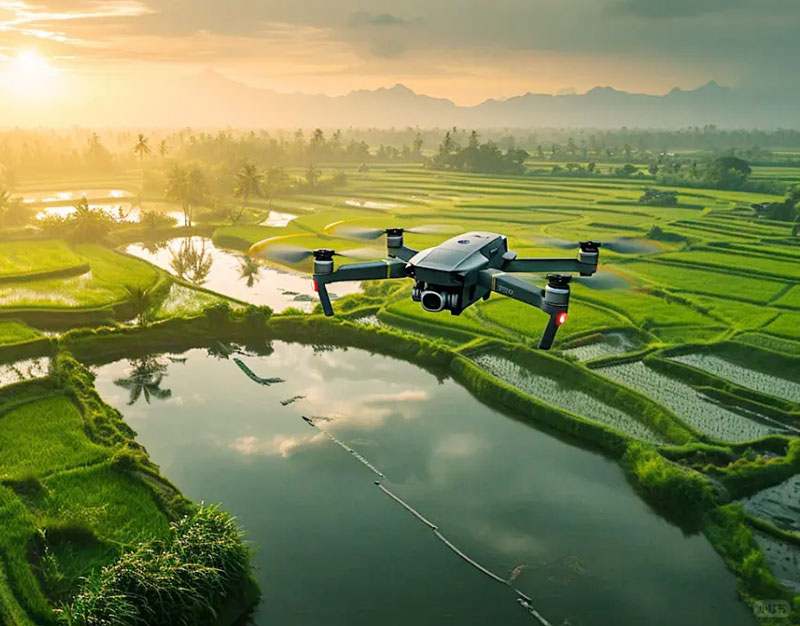 setups, thermal drones are invaluable; they monitor crop health, identify water stress, and detect pest infestations without the need for physical presence. By analyzing the heat signatures emitted from plants, farmers can make informed decisions about crop care, optimizing yield and resource management. Wildlife conservationists also rely heavily on these drones as they track animal movements, identify breeding patterns, and even assist in anti-poaching operations. The stealth and efficiency provided by drones ensure minimal disruption to natural habitats.
Moreover, in the realm of infrastructure inspection, drones with thermal cameras are deployed to assess building integrity, identify heat loss in structures, and inspect solar panels for operational efficiency. This technology reduces the time and risk associated with manual inspection processes, ensuring safety and accuracy. Search and rescue operations benefit immensely from thermal drones by facilitating the identification of individuals based on their heat signatures, even in dense forests or disaster-stricken areas.
Beyond these practical applications, the continuous advancements in drone technology and thermal imaging continue to expand their potential uses. Innovations such as improved battery life, enhanced software analytics, and increased camera sensitivity contribute to the effectiveness and appeal of thermal drones across diverse sectors.
- Enhancements in drone capabilities also open possibilities for weather monitoring and environmental research, offering deeper insights into dynamic ecological changes.
- While the current scope of thermal drones is noteworthy, the future promises even greater integration and functionality in numerous fields.
To properly leverage the advantages of drones with thermal cameras, various factors should be considered, including resolution specifications and drone endurance, to ensure optimal performance.
Are thermal drones legal for private use?
While regulations differ globally, many regions permit private use under specific guidelines; users should adhere to local laws and obtain necessary permits.
Do thermal drones require special maintenance?
Yes, like any electronic equipment, regular maintenance is crucial, including software updates and hardware checks to ensure functionality.
How do I choose the right thermal drone?
Consider the application, required resolution, flight time, and range. Consulting with industry experts can provide valuable insights.