
The future of gas powered drone technology is brimming with potential, significantly enhancing the scope of aerial applications. With the evolution of drones, there arises the necessity to explore how gas-powered variants stack up against the traditional electric drones. The conversation regarding drones usually rotates around their capacity, energy efficiency, and endurance, all pivotal parameters that determine their feasibility and performance. In terms of endurance and power output, gas powered drones offer distinct advantages.
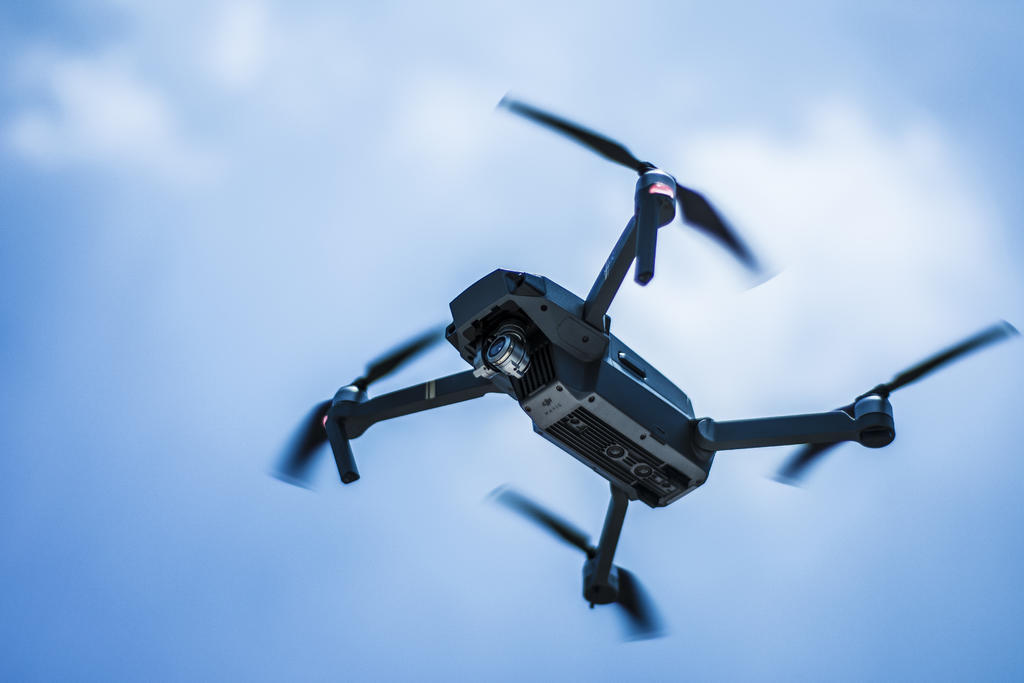
Advantages of Gas Powered Drones
- Extended flight duration: Unlike battery-operated drones, gas powered drones can operate for longer periods, making them ideal for tasks requiring sustained endurance.
- Higher payload capability: Because of greater energy density, these drones exhibit powerful lift capabilities that enable them to carry heavier loads without compromising efficiency.
- Enhanced power output: Gas engines deliver high, consistent power, crucial for operations demanding swift movements and precision.
Applications and Uses
Gas powered drones find utility in a multitude of sectors. From agricultural surveying to detailed mapping in construction, their robust design and prolonged usability make them indispensable. The increased payload capability makes them suitable for tasks such as firefighting operations where equipment transportation is needed.
Search and rescue missions benefit significantly from the extended range and reliability that gas powered drones offer. They can cover vast areas with minimal refueling stops, ensuring quick and efficient search operations in remote areas.
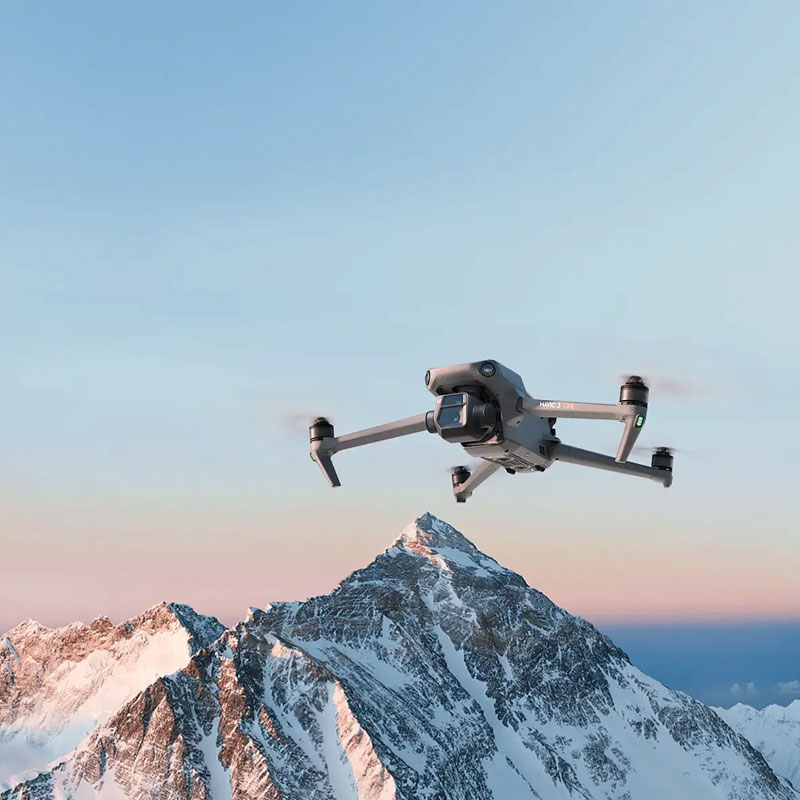
Comparative Analysis with Electric Drones
While electric drones are exceedingly popular due to their silent operation and simplicity, gas powered variants are paving their way into niches where endurance and payload size matter more. Electric drones still struggle with limitations concerning flight time, chiefly due to battery constraints, whereas gas powered drones can serve for extended hours without the need for frequent pit stops.
It’s imperative to note the environmental impact of gas drones, as their emissions contribute to pollution, a significant downside contrasted with the greener footprint of electric drones.
The Future of Gas Powered Drone Technology
Looking forward, advancements in gas-powered drone technology promise insights that could revolutionize personal and commercial applications. The integration of hybrid systems could potentially marry the strengths of both electric and gas-powered drones, providing optimized efficiency, reduced environmental impact, and bolstered longevity.
Regulatory frameworks are expected to evolve in parallel with technological developments. Operating requirements, emissions standards, and flight safety protocols will need continuous updates to integrate emerging technologies. Collaborations between manufacturers and regulatory bodies are essential to ensure safe and sustainable drone usage.
FAQs
- How long can a gas powered drone operate on a full tank?
- Typically, gas powered drones offer several hours of flight time, significantly longer than battery-powered alternatives.
- Are gas powered drones more expensive than electric drones?
- The initial cost can be higher due to complex engine systems and fuel storage requirements, but savings on battery replacements can offset these costs over time.
- What maintenance do gas powered drones require?
- Regular engine checks and fuel system maintenance are necessary to ensure optimal performance.
As drone technology progresses, understanding the intricacies of gas-powered drones will enable users to leverage their full potential, ensuring versatile and potent aerial capabilities.