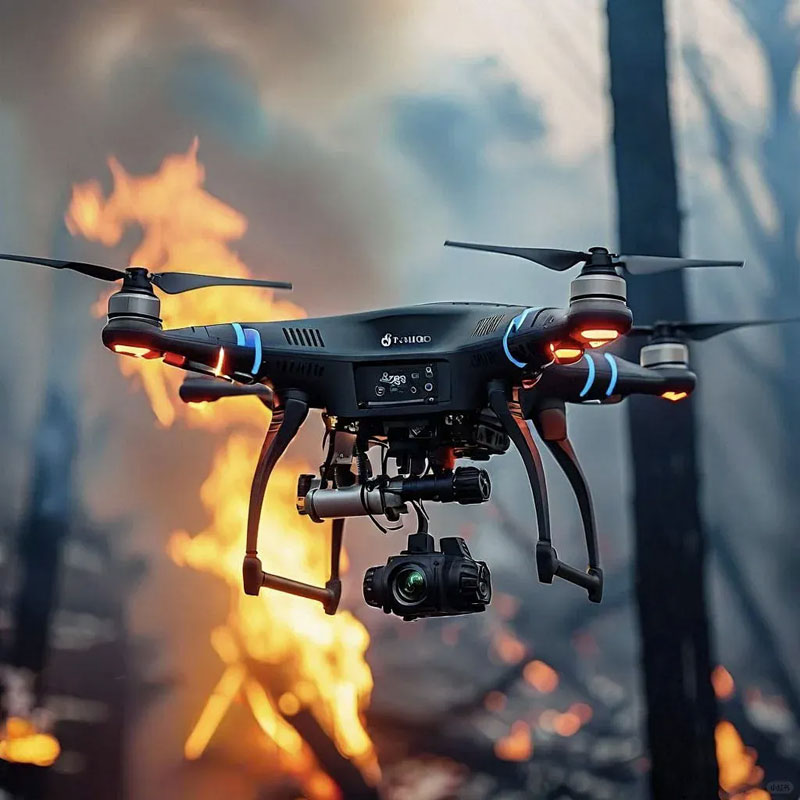
At the heart of the MQ-1C’s capabilities is its robust sensor suite. Equipped with electro-optical/infrared sensors and synthetic aperture radar, the Grey Eagle can perform day and night operations in various weather conditions. This enhances its ability to gather critical intelligence and relay real-time data to commanders, thus facilitating informed tactical decisions. The integrated radar systems allow for precise ground target tracking and the detection of moving targets, which are crucial in the realm of continuous military surveillance.
Communication and Control
The MQ-1C Grey Eagle is fitted with an advanced communications suite that underpins its operational effectiveness. This system supports satellite communications, enabling the drone to transmit data over great distances, which is vital for over-the-horizon operations. Its ability to connect seamlessly with ground control stations ensures robust command and control, enhancing the coordination of missions in real-time. This feature fortifies the drone’s role in network-centric warfare, where information superiority can dictate the outcome of engagements.
One of the standout features of the Grey Eagle is its extended loiter time. With a flight endurance of more than 25 hours, it provides continuous coverage of operation areas, significantly exceeding the flight times of traditional manned aircraft. This endurance is crucial for missions that require sustained airborne presence, such as border surveillance, patrolling maritime domains, and supporting ground troops over extended operations. The drone’s diesel engine, known for fuel efficiency, contributes significantly to this prolonged flight capability.
Security and Resilience
Security is paramount in the deployment of any military asset, and the MQ-1C Grey Eagle addresses this need through secure data links and anti-jamming technology. These features ensure that the drone can operate in contested environments without compromising sensitive information. Its resilient design further enables it to withstand cyber threats, safeguarding its mission-critical systems and maintaining operational integrity even in hostile territories.
While the MQ-1C Grey Eagle Drone is an engineering marvel with substantial contributions to military operations, it also raises questions regarding ethics and warfare transparency. The ability to conduct strikes without putting pilots at risk can elongate conflict durations, raising debates on the human cost of remote warfare.
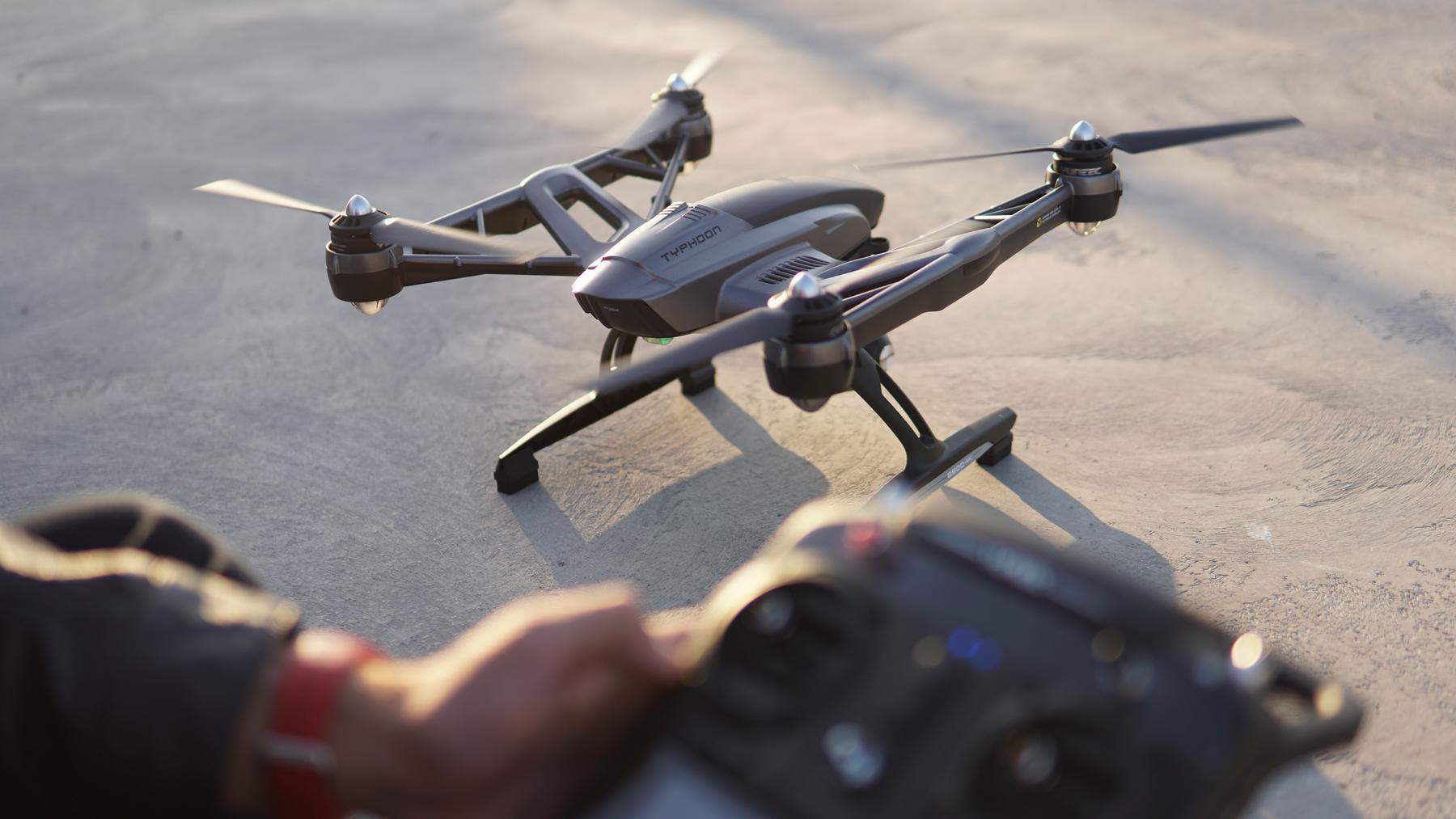
For those curious about the non-military applications of such technology, it’s important to note that innovations from systems like the Grey Eagle often find their way into civilian sectors, improving technologies related to disaster management, environmental monitoring, and even in agricultural practices. The potential to repurpose military technology for humanitarian applications presents a silver lining to its otherwise contentious role in conflict zones.
FAQs about MQ-1C Grey Eagle
Q: What is the primary role of the MQ-1C Grey Eagle?
A: Its primary roles include surveillance, reconnaissance, and precision strikes to support military operations.
Q: How does the Grey Eagle contribute to combat operations?
A: Through real-time intelligence, communication support, and the ability to engage targets directly.