
Understanding the MQ-9 Reaper Drone
The MQ-9 Reaper Drone represents a significant advancement in aerial surveillance and combat technology. Originally developed by General Atomics Aeronautical Systems, this drone serves multiple roles, including intelligence gathering and precision targeting. As users seek to understand its capabilities, it’s crucial to explore its components, functionality, and impact on modern warfare.
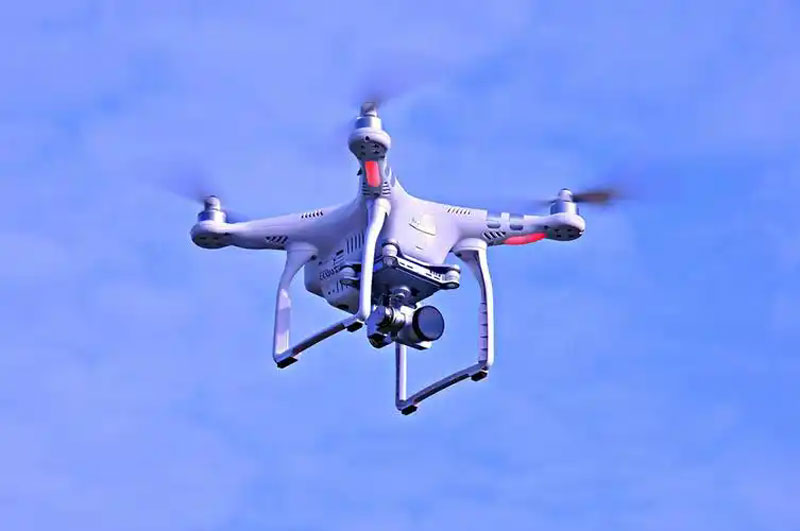
The design of the MQ-9 Reaper Drone showcases an extensive wingspan of approximately 66 feet, complemented by a powerful turboprop engine. This allows for prolonged flights exceeding 27 hours, ensuring persistent oversight in critical areas. It can operate at altitudes of up to 50,000 feet, offering a tactical advantage through its high-altitude reconnaissance capabilities.
Key Features of the MQ-9 Reaper Drone
Equipped with advanced sensors and cameras, the MQ-9 Reaper Drone can capture high-resolution imagery and video, providing real-time data to operators. These technological integrations enhance situational awareness, helping military decision-makers execute strategic operations with minimal risk. The drone’s versatility is further emphasized by its capability to carry precision-guided munitions, becoming an adaptable asset in combat scenarios.
Engine performance and fuel economy are integral to the drone’s functionality. The Honeywell TPE331-10 engine offers impressive power and efficiency, enabling the MQ-9 Reaper Drone to maintain extensive surveillance missions without frequent refueling. This results in cost-effective operations, yielding significant advantages for military planners tasked with managing resources.
Operational Impact and Strategic Importance
The MQ-9 Reaper Drone has revolutionized military strategies by offering remote, unmanned operations, significantly reducing the risk to human pilots. Its ability to provide intelligence from previously inaccessible locations has transformed tactics, enhancing both offensive and defensive measures. The drone’s deployment in various global hotspots underscores its vital role in maintaining security and stability.
Moreover, the drone’s contributions extend beyond combat operations. In humanitarian missions, the MQ-9 Reaper Drone aids in disaster assessment and relief logistics by providing valuable aerial imagery and environmental data.
Challenges and Future Prospects
Despite its advantages, the MQ-9 Reaper Drone faces challenges, primarily concerning ethical considerations in autonomous combat scenarios. As technology advances, integrating artificial intelligence into drone operations raises questions about decision-making and accountability in warfare.
Future developments may focus on expanding the drone’s capabilities and ensuring compliance with international regulations. Innovations such as stealth technology and enhanced AI integration are being explored to further minimize risks and maximize efficiency.
Frequently Asked Questions
What is the primary mission of the MQ-9 Reaper Drone?
The primary mission of the MQ-9 Reaper Drone includes reconnaissance, intelligence gathering, and precision targeting, providing essential information for strategic military operations.
How does the MQ-9 Reaper Drone affect global military dynamics?
With its capabilities, the MQ-9 Reaper Drone enhances global military dynamics by enabling remote surveillance and strike capabilities, transforming tactical approaches and reducing human risk in combat scenarios.