
In recent years, the sky has become increasingly populated with drones, a technological marvel that has captured the imagination of enthusiasts and professionals alike.
The Rise of Drones
The drone phenomenon can be attributed to advancements in technology, accessibility, and their versatile applications. The increasing presence of drones, aka unmanned aerial vehicles (UAVs), is driven by a multitude of factors.
The Technological Breakthrough
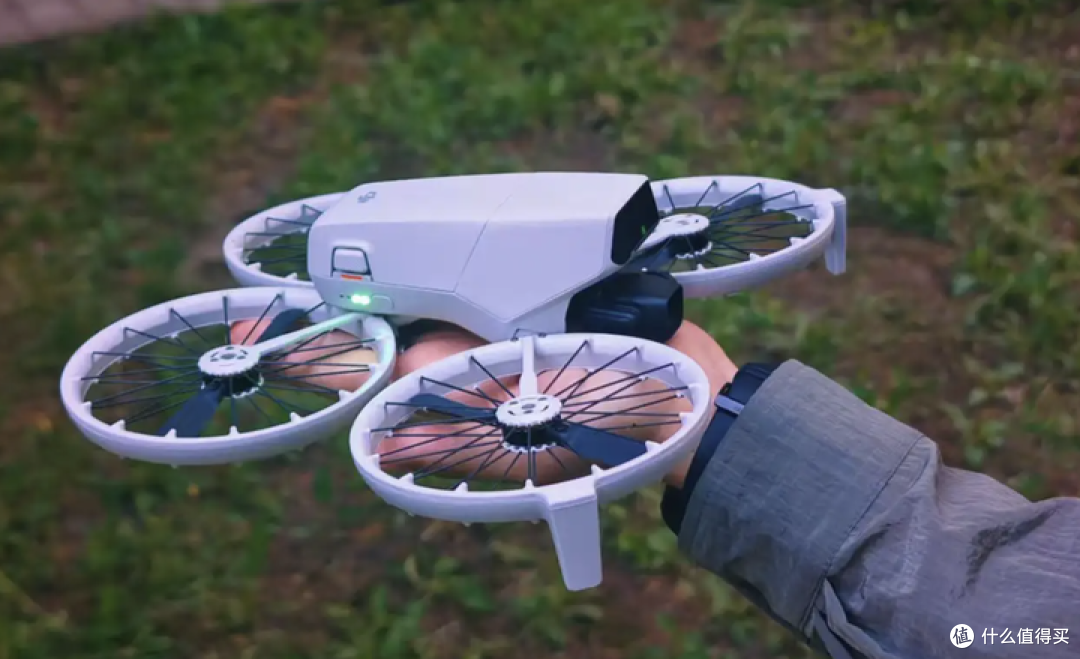
Modern drone technology has seen remarkable improvements. With innovations in battery life, flight stability, and high-resolution cameras, drones have become an appealing option for various activities.
- Photography and Filmmaking: Drones have revolutionized visual arts, offering unique aerial perspectives that were once impossible without helicopters.
- Commercial Uses: In industries such as real estate, construction, and agriculture, drones enable professionals to survey land, inspect sites, and monitor crops efficiently.
- Delivery Services: Companies are experimenting with drone deliveries, promising faster and more affordable parcel delivery, although regulations remain a challenge.
The Accessibility Factor
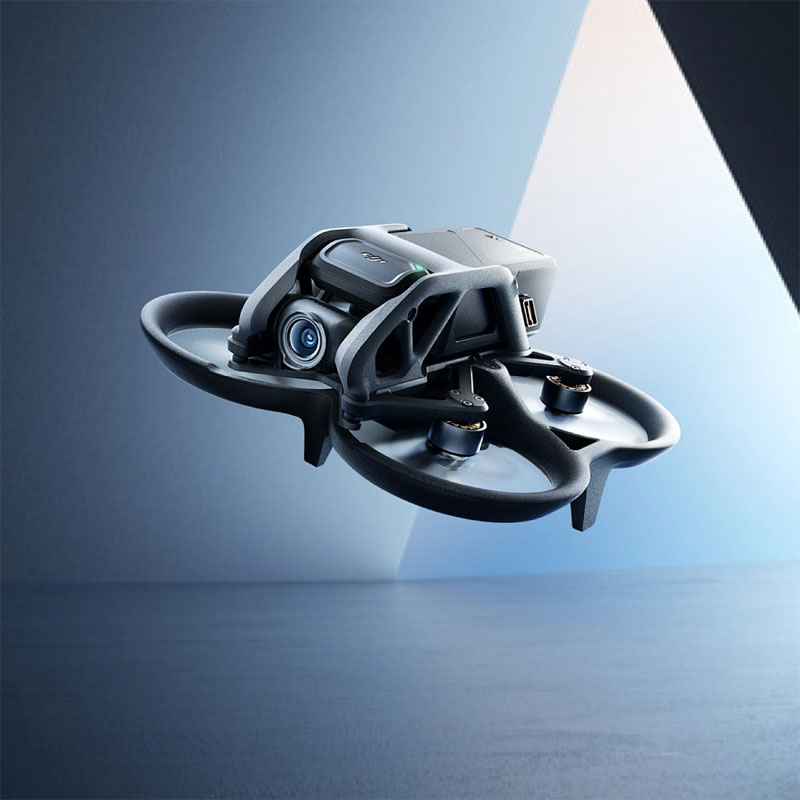
The accessibility of drones has contributed significantly to their widespread adoption.
Once considered a luxury item, drones have become more affordable, allowing hobbyists and small businesses to utilize their capabilities.
Competitive pricing, combined with simple user interfaces, has made drones an enticing purchase for the average consumer.
Regulatory Challenges and Solutions
Despite their growing popularity, the proliferation of drones has necessitated regulatory measures to ensure safety and privacy.
Governments worldwide are implementing drone flight restrictions, licensing requirements, and privacy laws, aiming to balance innovation and public safety.
Solutions like geofencing technology help mitigate risks, preventing drones from entering restricted airspace autonomously.
What Lies Ahead?
The future of drones holds exciting possibilities. As technology advances further, drones may play crucial roles in emergency response, environmental monitoring, and scientific research.
Frequently Asked Questions
How do drones impact privacy?
Drones equipped with cameras can pose privacy concerns. Regulations are in place to restrict their use over private property without consent, ensuring individuals’ privacy is respected.
Are drones safe to fly?
While drones can be safe, user caution is advised. Operators should adhere to guidelines and regulations, maintaining awareness of their surroundings to prevent accidents.
What future applications of drones can we expect?
Future drone applications may include enhanced surveillance for disaster relief, advanced scientific exploration, and environmentally-focused initiatives.