
In recent years, war drones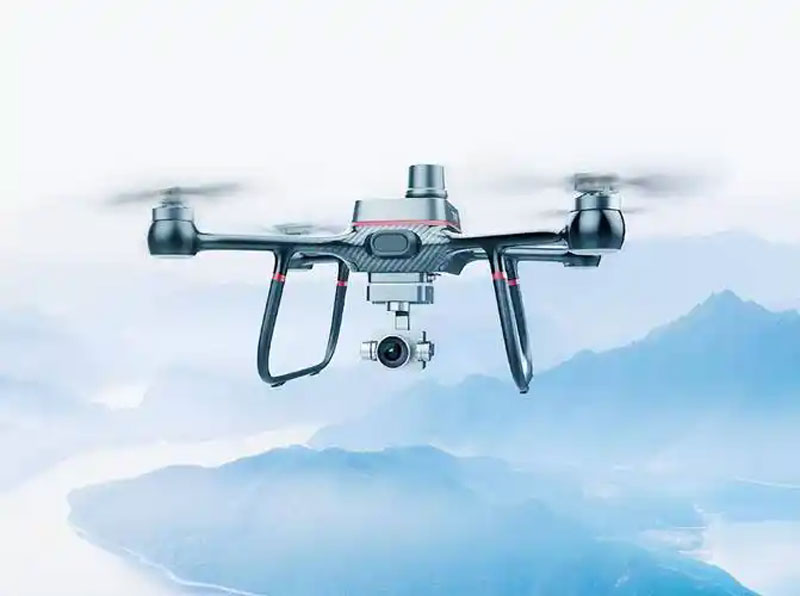 have emerged as a pivotal element in modern warfare, reshaping strategies and altering the dynamics on the battlefield. These unmanned aerial vehicles (UAVs) offer unparalleled advantages, such as precision targeting, reconnaissance capabilities, and operational efficiency, carving out a niche in military arsenals worldwide.
Historical Context of War Drones
Initially developed for surveillance and reconnaissance, drones have evolved into sophisticated machines equipped with lethal weaponry. Their origins trace back to the early 20th century, but it wasn’t until the recent technological boom that they truly became a game changer. With advancements in AI, drones are now capable of autonomous operations, reducing the risk to human soldiers.
Technological Advancements and Capabilities
Drones used in warfare are now equipped with state-of-the-art technology, including high-definition cameras, infrared sensors, and advanced navigation systems. These features enable drones to carry out missions covertly and effectively. The integration of AI allows for better decision-making processes in complex scenarios, ensuring missions are executed with precision.
An interesting facet of these drones is their capacity for network-centric warfare. They can be connected to larger networks, gaining and sharing data in real-time. This increases situational awareness and enhances coordinated strikes, making them invaluable in modern military strategies.
Strategic Impact of War Drones
The presence of war drones on the battlefield significantly alters military strategies. Traditional methods of warfare have given way to more remote and strategic approaches. The cost-effectiveness of drones further supports their widespread adoption, allowing countries to maintain military superiority without incurring the high costs of human deployment.
The psychological impact on enemy forces cannot be overstated. The constant threat of unseen aerial surveillance exerts pressure, disrupting enemy plans and reducing morale. This intangible aspect contributes to strategic advantages beyond physical combat.
Future Implications
As technology continues to evolve, the roles of drones in warfare will expand. Expectations are set on even more intelligent systems capable of performing complex tasks independently. Ethical considerations and regulatory frameworks are crucial in shaping the future use of drones, ensuring they adhere to international laws and humanitarian standards.
Challenges and Concerns
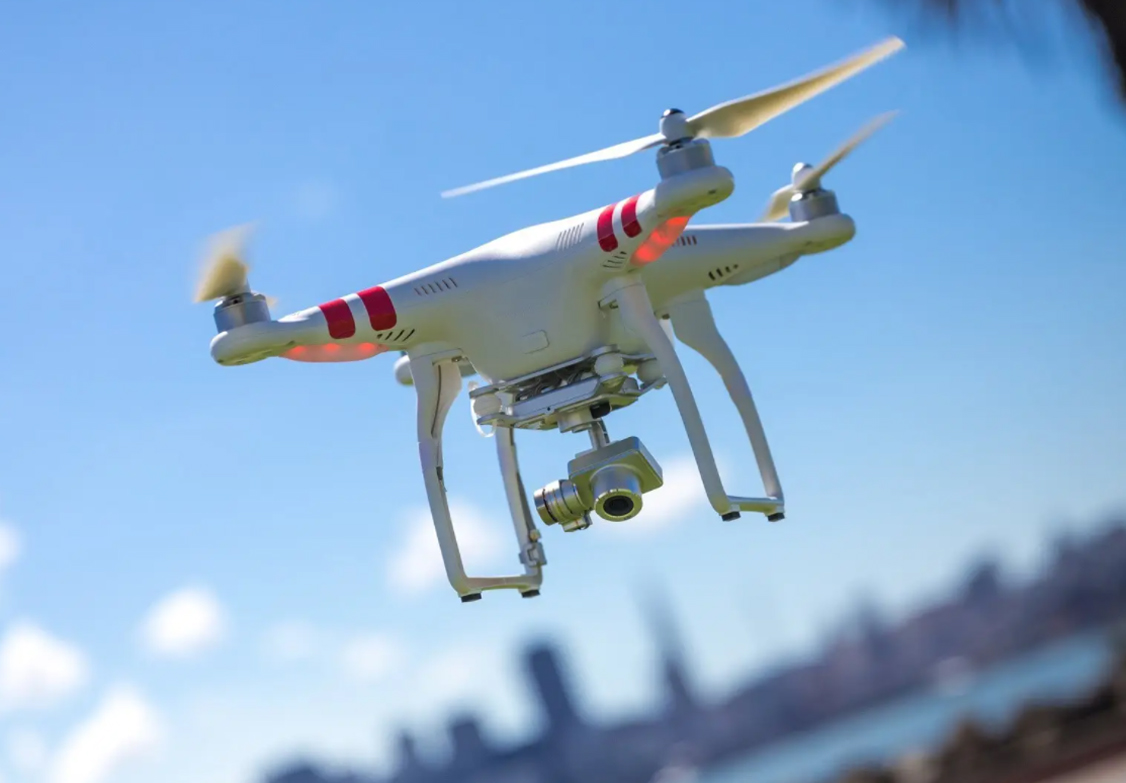
Nevertheless, the use of war drones raises significant ethical questions. Their ability to operate autonomously without direct human intervention introduces challenges concerning accountability and decision-making in combat scenarios. Furthermore, potential vulnerabilities in their systems, such as cyber threats, pose a challenge that requires continuous monitoring and improvement.
Thus, the advancing capabilities of drones necessitate robust international guidelines and cooperation to mitigate risks associated with their deployment.
The Global Landscape: Who’s Leading?
Nations such as the United States, China, and Israel are at the forefront of drone technology, pushing boundaries and leading innovations. The race for supremacy in drone warfare technology underpins geopolitical relations, influencing power dynamics between advanced and developing countries.
FAQs About War Drones
What are the primary benefits of using war drones?
War drones offer precision, reduced human risk, and cost-efficiency in military operations. They enhance reconnaissance and intelligence gathering, providing real-time data that aids in strategic decision-making.
Are there ethical concerns with war drones?
Yes, ethical concerns largely focus on autonomy in conflict scenarios and accountability for actions taken by drones. There are ongoing debates about setting ethical standards in drone warfare.
How do war drones impact international relations?
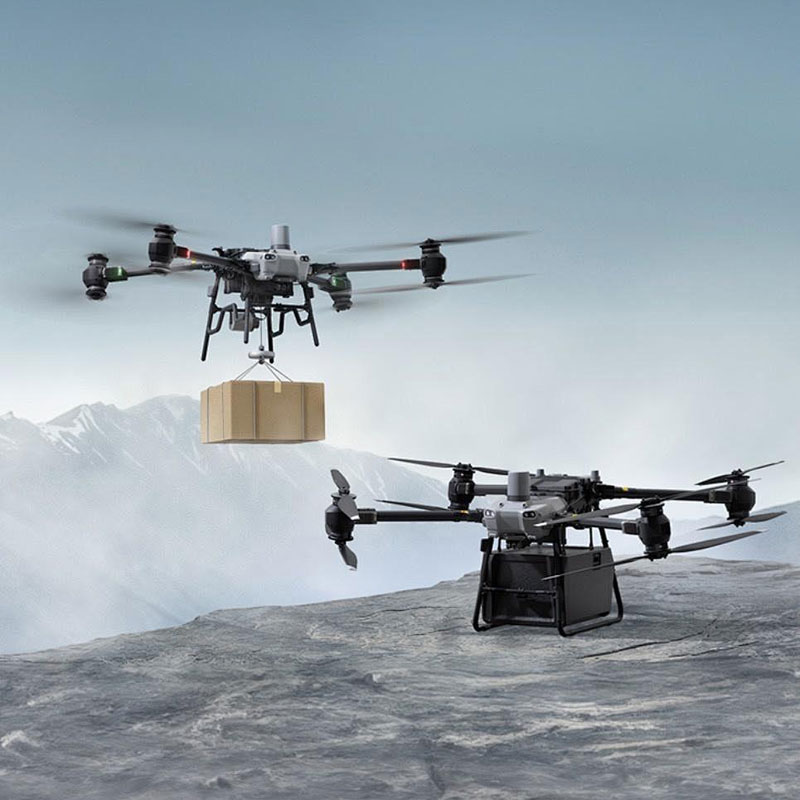
War drones influence international power dynamics by allowing countries to project power without direct engagement, affecting diplomatic relations and military alliances. Their technological advancements can shift geopolitical balances.