
Exploring the DIY World of Crafting Your Own Drone
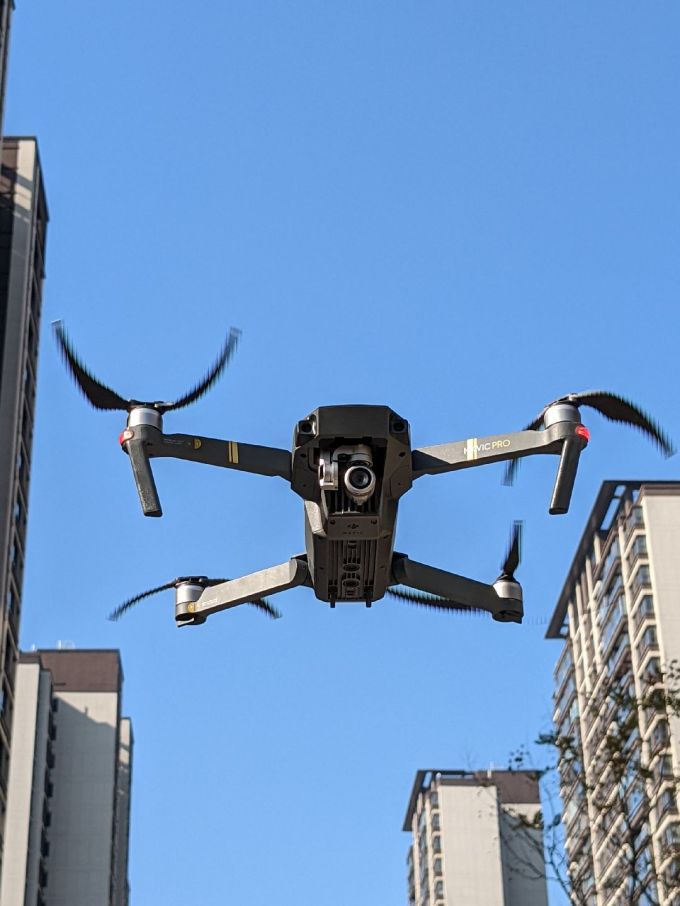
In the modern technological realm, building your own drone has transformed from a mere hobby into a fascinating and rewarding venture. With the ever-growing accessibility of components and information, enthusiasts can now embrace the challenge of crafting a drone at home. This delightful journey combines creativity, technical prowess, and the gratification of watching your custom-made drone soar through the skies.
Creating a homemade drone involves understanding several key components and concepts. Initially, one must acquire a frame, which forms the skeleton of the drone. The frame can be either purchased or crafted from lightweight materials such as carbon fiber or aluminum. Selection of the frame dictates the drone’s suitability for various tasks, whether it be racing, aerial photography, or simple leisure flying.
Choosing Relevant Drone Parts
Once the frame is ready, it’s crucial to consider the drone’s propulsion system. Motors and propellers are pivotal in determining the drone’s agility and speed. Brushless motors are favored for their efficiency and adaptability, coupled with propellers that suit your drone’s size and intended purpose. A focus on durability and performance will ensure your drone can handle diverse flying conditions.
The control system is another essential component. It is the brain of your drone, managing flight patterns and responding to your commands. Investing in a reliable flight controller not only enhances stability but also aids in executing complex maneuvers. The controller is typically accompanied by a GPS module to assist with navigation and positioning.
Electronics and Peripherals
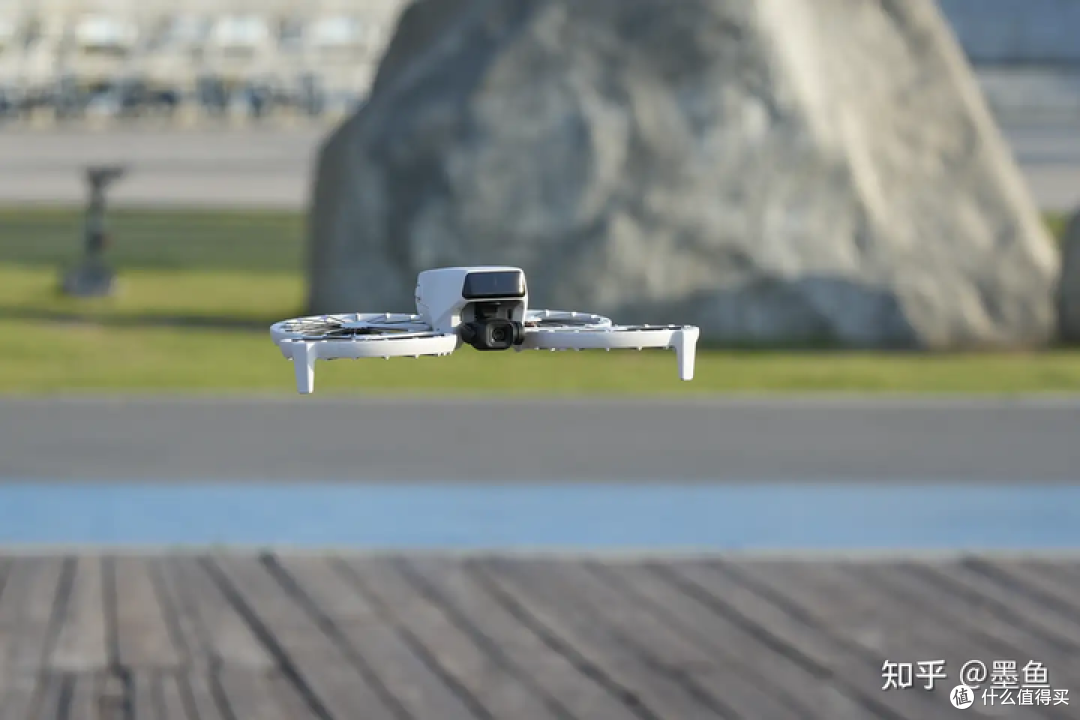
The electronics involved in building a drone are intricate but rewarding. Battery selection is vital, as it influences flight duration and power delivery. Lithium Polymer (LiPo) batteries are common choices due to their high energy density and reliability. Additionally, incorporating accessories such as cameras or sensors can enrich your drone experience, offering new dimensions such as filming or obstacle detection.
The Importance of Programming and Testing
Programming is the heart of drone customization; it allows you to tweak flight dynamics and integrate personal preferences. Prominent software platforms such as Arduino or DroneKit provide the necessary tools to code functionalities that suit your unique flying style.
Testing each element and configuration is crucial in certifying performance and safety. Calibration procedures ensure that your drone flies smoothly, adheres to regulations, and maintains operational integrity.
Final Preparations and Launch

Before your flight, conduct a comprehensive checklist! Verify connections, update firmware, and ensure battery readiness. Conducting trial runs in open and controlled environments allows for adjustments and alleviates any unforeseen issues.
Launching your homemade drone crowns your hard work with exhilarating moments. Witnessing your creation glide through the sky is an unmatched satisfaction. Every hurdle crossed and innovate applied brings you closer to mastering the art of drone construction.
Common Questions on DIY Drone Building
What are the legal requirements for flying my homemade drone?
You must adhere to local aviation regulations, which often include registering your drone, abiding by no-fly zones, and maintaining visual line-of-sight during operations.
How can I improve my drone’s performance?
Performance can be enhanced by upgrading motors and propellers, honing programming skills for optimal flight algorithms, and regularly maintaining the drone to ensure all components function smoothly.
Can I attach different cameras to my custom drone?
Yes, most drones can accommodate various camera types, from action cameras to specialized modules, enhancing your drone’s versatility in capturing stunning aerial footage.