
Understanding Fiberoptic-Drone Technology
Fiberoptic-drone technology merges the cutting-edge capabilities of drones with the high-speed data transfer prowess of fiber optics. This novel integration aims to bridge the connectivity gap faced by regions lacking substantial infrastructure. By deploying drones equipped with fiber optic cables, instant communication lines can be established without the need for extensive ground-based installations. This flexibility is invaluable during natural disasters, allowing emergency services to set up temporary networks quickly and efficiently.
Furthermore, the lightweight and agile nature of drones make them ideal for navigating difficult terrains and enabling high-speed data transmission precisely where it’s needed. This dynamic adaptability offers unparalleled advantages over static fiber optic installations that rely heavily on physical locations.
Implications for Global Connectivity
Fiberoptic-drone technology promises to significantly impact global connectivity by overcoming geographical and infrastructural limitations. One of the primary applications is extending internet access to underserved regions. In areas where laying traditional fiber optic cables is impractical due to challenging landscapes, drones can swoop in to establish connectivity, bringing educational and economic opportunities to previously isolated communities.
Moreover, the speed at which these drones can deploy networks is remarkable. Whether for permanent installations or temporary event coverage, fiberoptic-drone technology ensures rapid network deployment, which is critical in today’s fast-paced digital landscape.
Industries such as telecommunications, education, and healthcare stand to benefit immensely from this technology. The ability to transmit data swiftly and securely can facilitate virtual learning, remote medical consultations, and endless possibilities for innovation.
Challenges and Considerations
Despite its promising potential, fiberoptic-drone technology encounters several challenges. Regulatory frameworks need to accommodate the unique aspects of drone flights, including maintaining airspace safety and privacy concerns. Additionally, the durability and weather resistance of drones carrying fiber optic cables pose engineering challenges that must be addressed
to ensure reliable performance under diverse conditions.
Another consideration is the cost-effectiveness of deployment. While drones may reduce the need for extensive groundwork, there must be a balance between the expenses associated with drone technology and the benefits provided. Ongoing research and development are essential to optimize both performance and economy.
Future Prospects
The future of fiberoptic-drone technology is rich with potential, driving advancements in connectivity and creating new opportunities across sectors. The adaptability of drones allows them to be customized for various tasks, ranging from bolstering urban network coverage to establishing emergency communication channels in disaster-hit areas. This versatility is crucial for meeting the diverse needs of modern society. Collaborative innovation among tech companies, regulators, and local governments can accelerate efforts to bring this futuristic technology into everyday use.
With continuous advancements, fiberoptic-drone technology might soon play a pivotal role in redefining connectivity standards worldwide.
FAQs About Fiberoptic-Drone Technology
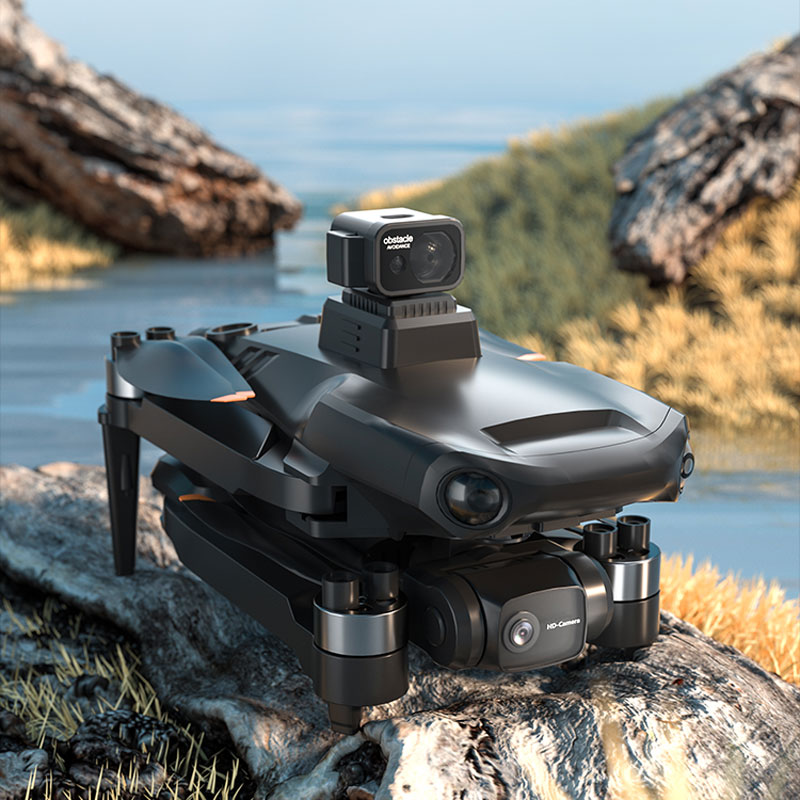
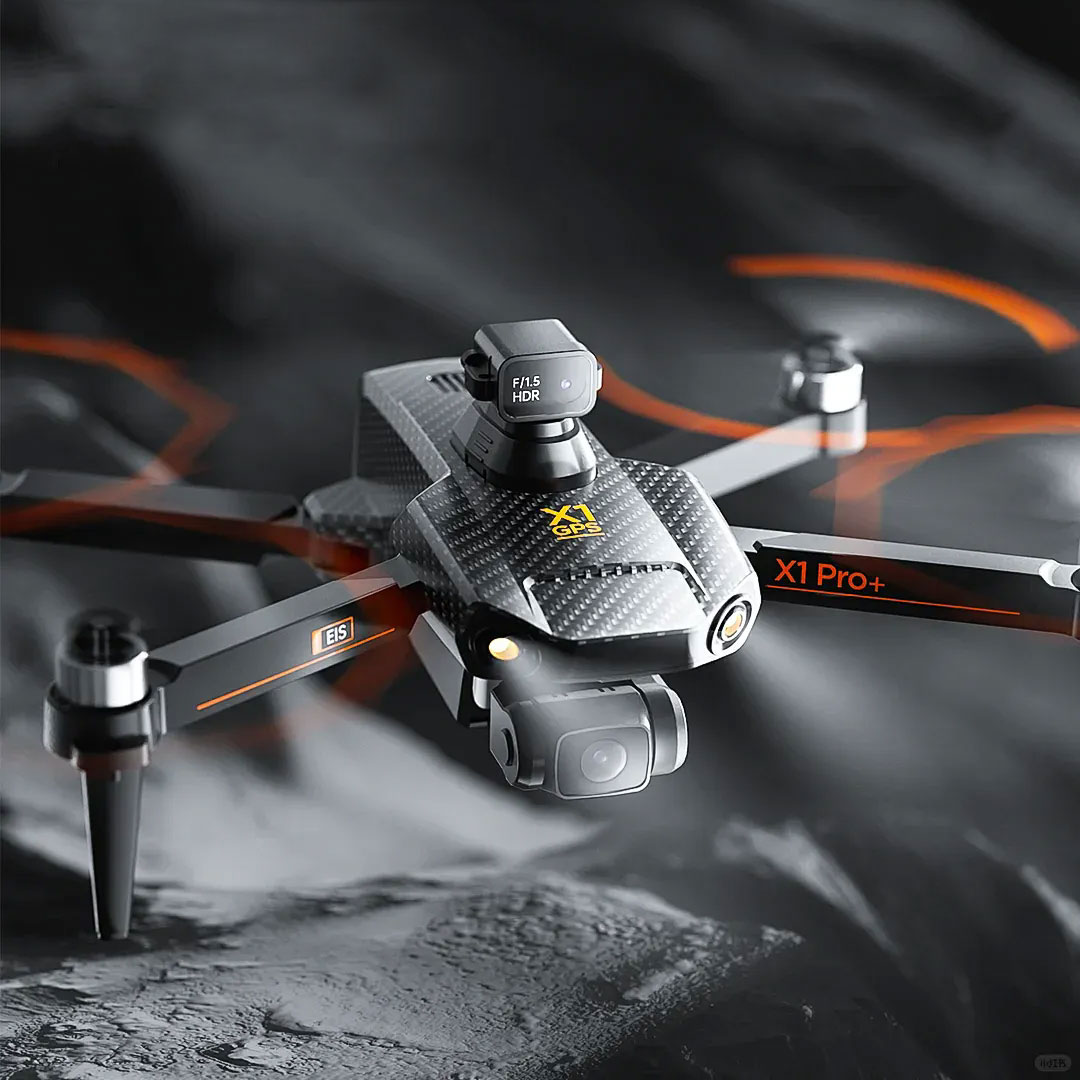
Q: How do fiberoptic-drones differ from traditional drones?
A: Fiberoptic-drones are equipped with fiber optic cables that allow them to provide high-speed communication. Unlike traditional drones, they specialize in establishing connectivity rather than capturing images or video.
Q: Are fiberoptic-drones suitable for use in all weather conditions?
A: While advancements are being made to improve the durability of fiberoptic-drones, their performance can vary depending on weather conditions.
Q: What industries are most likely to benefit from fiberoptic-drone technology?
A: Telecommunications, education, and healthcare are among the sectors set to benefit significantly, owing to the technology’s ability to enable fast and reliable data transmission.