
Drones, often referred to as UAVs (Unmanned Aerial Vehicles), have become increasingly prevalent, serving purposes ranging from recreational to professional use in industries such as film, agriculture, and surveillance. However, with their growing popularity, concerns have arisen regarding privacy and safety. This leads to the question: under what circumstances, if any, is it legal to shoot down a drone?
Legal Perspective on Drone Interference
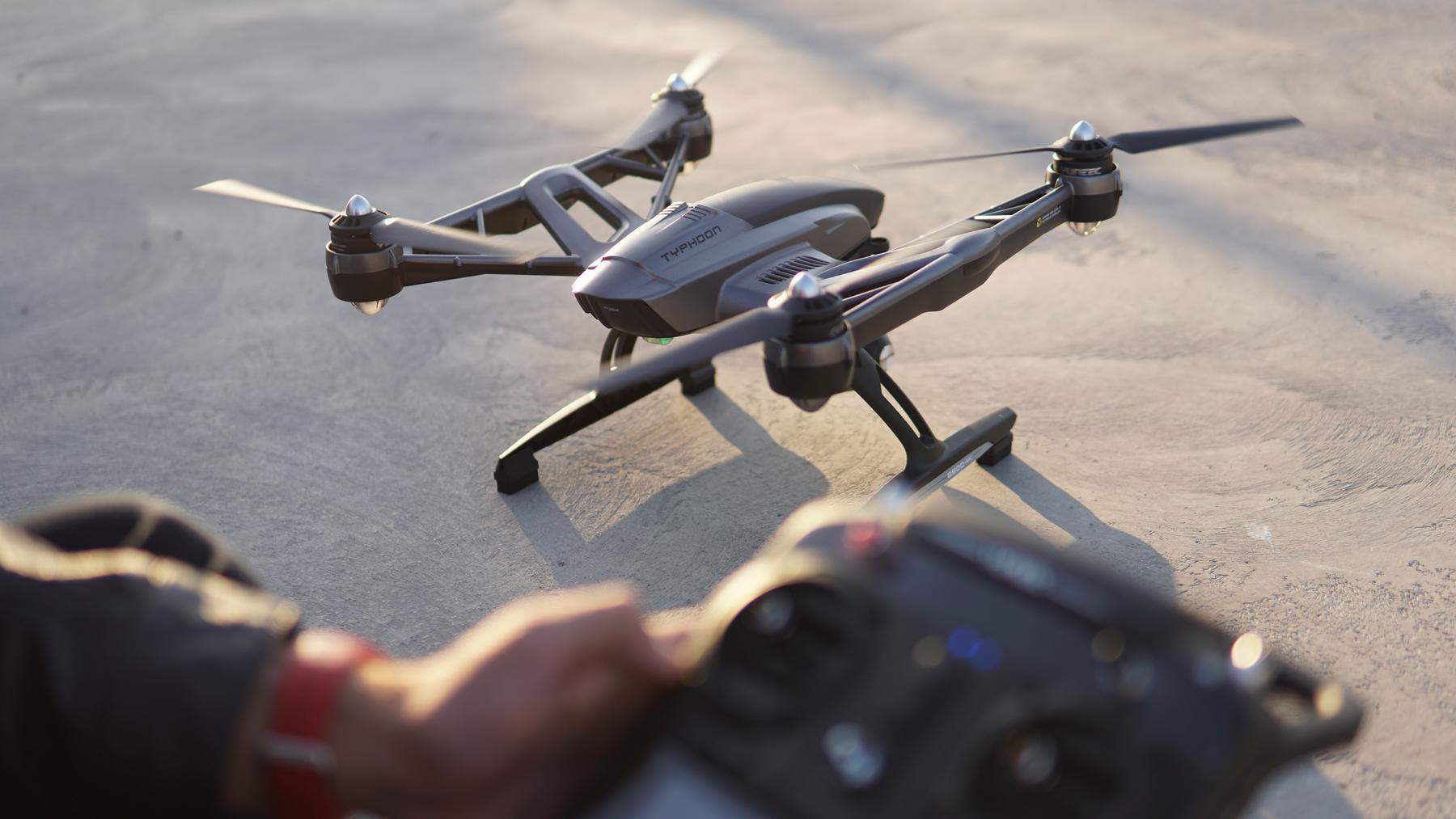
The legality of taking down a drone is a complex issue governed by a combination of federal, state, and sometimes local laws. The Federal Aviation Administration (FAA) of the United States oversees drone regulations, prohibiting interference with aircraft. Since drones are classified as aircraft, shooting one down can result in lawsuits or criminal charges under federal law, including fines or imprisonment.
Property Rights and Privacy
Many might assume that if a drone flies over their property, they have the right to destroy it. However, airspace is federally regulated, and property rights typically do not extend upwards beyond immediate obstacles. Privacy infringement is a separate matter best reported to law enforcement rather than taking physical action.
Alternatives to Shooting Down
Instead of resorting to violence, there are several non-destructive solutions such as using anti-drone technology. Signal jammers can disrupt drone operations and force landing, while geo-fencing on certain properties can act as a deterrent. It’s vital to employ methods that abide by legal standards to avoid repercussions.
Consequences of Unlawful Drone Destruction
Destroying a drone unlawfully can lead to significant legal consequences. There can be civil liability for damages to the drone owner, and criminal implications, especially if the action risks public safety. It’s advisable to consult legal counsel to understand local laws before taking action.
Understanding Drone Regulations
The FAA and other regulatory bodies offer resources to manage and understand drone use. They provide guidelines for both drone operators and individuals concerned with drones infringing on personal space. Staying informed about drone regulations is crucial for both safety and compliance.
Lastly, specific regions might have unique laws regarding drone interference. Stay updated with local laws as they might differ from federal requirements, which can help in determining legal actions regarding drones.
FAQs
- Can I shoot a drone if it’s spying on me?
While it feels invasive, shooting a drone is illegal under FAA regulations. Report privacy concerns to authorities. - What should I do if a drone crashes on my property?
You may keep it temporarily, but inform law enforcement as it may retrieve or return it appropriately. - How can I protect my property from drones?
Consider installing privacy shields or anti-drone technology compliant with laws, and stay informed on drone regulations to manage property infringements effectively.