
In recent years, technology has advanced exponentially, reshaping various industries, not least of which is surveillance. A significant innovation leading this transformation is the night vision drone. By integrating night vision technology with drones, there is a paradigm shift in how environments are monitored and surveyed, especially during nighttime.
Understanding Night Vision Drones
Night vision drones are equipped with specialized cameras and sensors that allow them to capture images and videos in low-light conditions. This capability makes them invaluable for law enforcement, wildlife monitoring, and military operations. The technology behind these drones often includes infrared (IR) sensors and thermal cameras, both of which detect heat signatures and provide clear images even in total darkness. With the ability to function effectively at night, these drones transform traditional surveillance methods, offering unparalleled access and data collection in areas that were previously challenging to monitor.
Applications in Law Enforcement
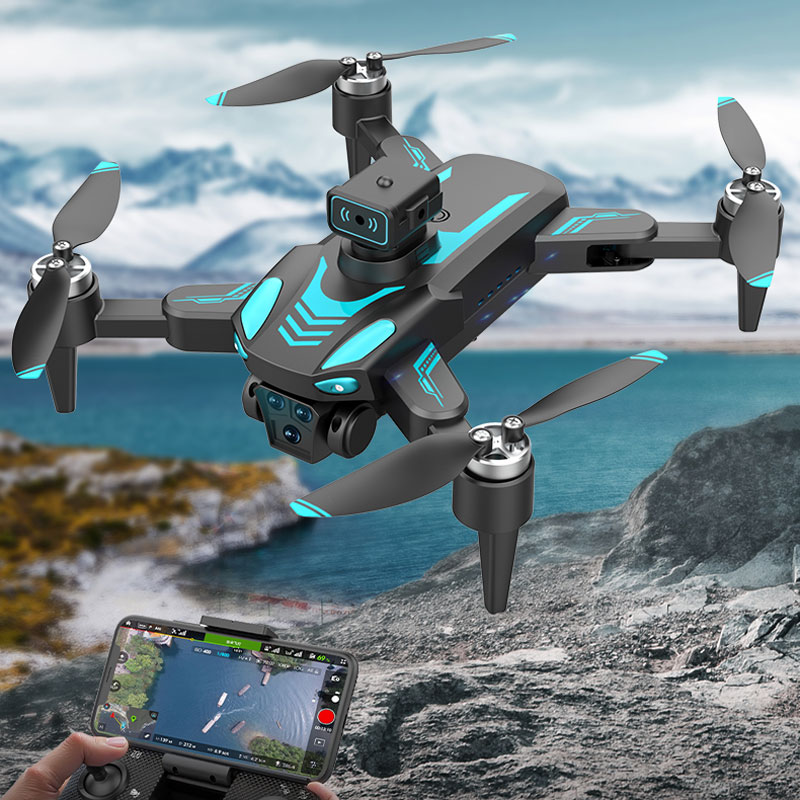
Law enforcement agencies worldwide have begun incorporating night vision drones into their operations. These drones can be deployed in various scenarios such as missing person searches, accident investigations, and crime scene examinations. One of the significant benefits is their ability to cover large areas quickly without the need to deploy a large number of personnel. Furthermore, their discreet operation ensures they do not alert suspects, providing a tactical advantage.
“The integration of night vision technology with drones has significantly enhanced our ability to conduct nighttime surveillance efficiently and effectively,” says a lead officer at a major metropolitan police department.
Military and Defense Benefits
In military applications, night vision drones offer critical advantages. They allow armed forces to conduct reconnaissance without putting soldiers at risk, especially in hostile territories. The ability to operate under the cover of darkness gives military operations an edge by providing real-time intelligence. Night vision drones can also assist in coordinating movements, locating threats, and even delivering supplies where needed.
Environmental and Wildlife Monitoring
Environmental researchers and wildlife conservationists have found night vision drones to be indispensable tools. They are used to monitor endangered species, track animal movements, and detect poaching activities without causing disturbance to natural habitats. The drones’ unobtrusive nature means that wildlife can be observed in their natural behavior, yielding more accurate data and insights for research and conservation efforts.
Challenges and Future Potential
While the advantages are undeniable, night vision drones are not without challenges. Concerns about privacy invasion and potential misuse are prevalent. Regulatory frameworks must therefore evolve alongside technological advancements to ensure ethical use. Moreover, the relatively high cost of technology may limit accessibility for smaller agencies and organizations. Despite these challenges, the future for night vision drones looks promising. Ongoing advancements in AI and machine learning could enhance their capabilities, offering even greater autonomy and precision in operations.
- Affordable Solutions: Advancements might lead to more cost-effective night vision solutions, enabling wider adoption.
- Improved Autonomy: With AI integration, drones will likely perform more tasks independently, reducing the need for human operation.
- Regulatory Measures:
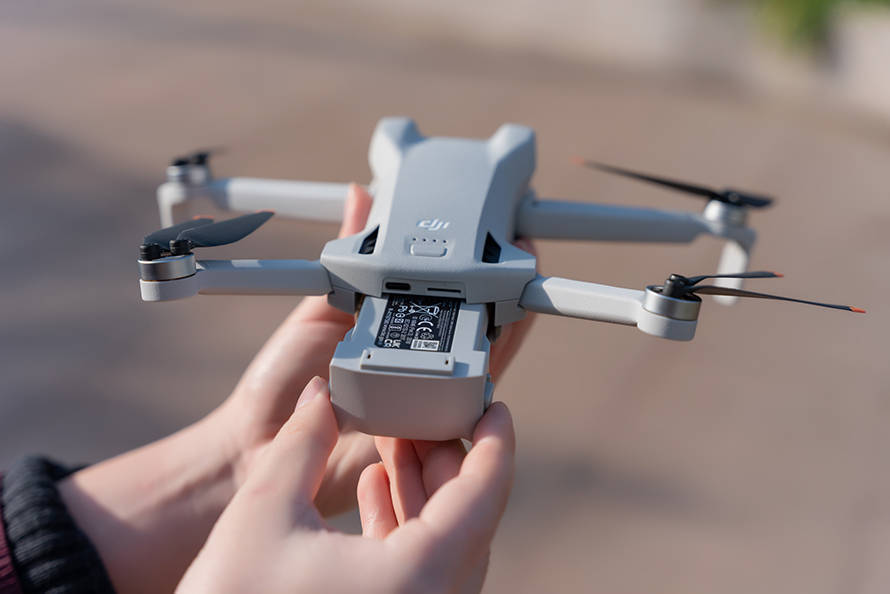 Establishing clear guidelines will ensure the ethical use of night vision drones, balancing security needs with privacy concerns.
FAQs on Night Vision Drones
1. How do night vision drones work?
Night vision drones utilize infrared sensors and thermal imaging to detect heat signatures and produce clear visuals even in complete darkness.
2. Are night vision drones legal to use?
While they are legal in many regions, specific regulations may apply depending on the intended use and location. It’s essential to be aware of local laws and obtain necessary permissions.
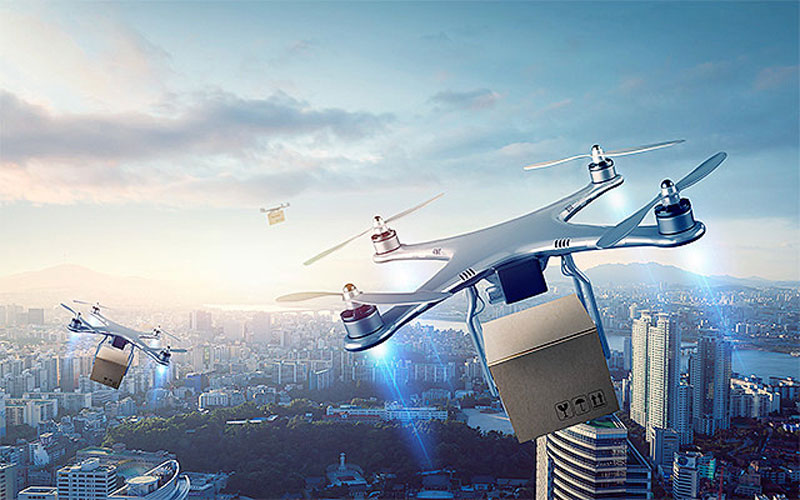
3. Can night vision drones be used for personal use?
Yes, they can be used for personal purposes such as home security. However, users must ensure compliance with privacy laws and avoid infringing on others’ privacy rights.