
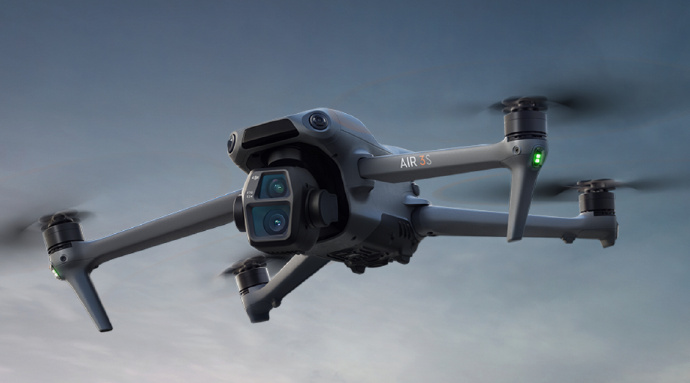
 are not just futuristic gadgets; they are becoming integral tools in modern policing. From surveillance to search and rescue missions, these drones provide law enforcement with eyes in the sky, enhancing their capability to monitor, track, and respond to incidents promptly.
The deployment of cop drones is rooted in practicality. When equipped with high-resolution cameras, heat sensors, and GPS systems, drones can assist in various tasks ranging from crime scene analysis to crowd control. They provide officers with real-time data and images, which can be instrumental in making informed decisions during critical situations. Moreover, cop drones can access areas that are otherwise difficult or dangerous for human officers, thus significantly improving operational safety.
One pivotal advantage of cop drones is their surveillance capability. In urban environments, drones can patrol the skies, monitoring movements and activities with unprecedented precision. This ability to capture aerial footage in real-time allows law enforcement to identify threats early, such as unauthorized gatherings or suspicious behaviors that might indicate criminal activity. This proactive approach to monitoring and intervention greatly enhances public safety.
Cop drones also play a significant role when it comes to evidence gathering. Drones can record high-quality video footage that could be crucial in legal proceedings, offering objective and reliable evidence that may aid in solving crimes. This capability allows law enforcement officers to corroborate testimonies and build stronger cases in court, based on indisputable proof collected from the sky.
In addition, drones can enhance search and rescue operations. Especially in inaccessible or hazardous areas where human intervention poses risks, cop drones can locate missing persons more efficiently. Equipped with thermal imaging cameras, they can detect heat signatures from individuals, making it easier to find someone lost in a densely wooded area or trapped in a building.
Despite their many advantages, the use of cop drones comes with challenges, notably concerning privacy and regulations. There is an ongoing debate about the ethical implications of surveillance, and the balance between public safety and individual privacy rights is delicate. Law enforcement agencies must navigate these complexities, ensuring that drone usage complies with legal standards and respects citizens’ privacy.
FAQ
Q1: Can cop drones replace traditional policing methods?
A: While cop drones offer substantial benefits, they are not meant to replace traditional methods. Instead, they complement existing strategies, providing additional data and capabilities that enhance crime-solving efforts.
Q2: How are privacy concerns addressed with cop drones?
A: Policies and regulations are being developed to govern the deployment of cop drones, ensuring they are used responsibly. Transparency in their usage and adherence to legal frameworks help mitigate privacy concerns.
Q3: What kind of technology is typically integrated into cop drones?
A: Cop drones usually come equipped with high-definition cameras, GPS, night vision, and thermal imaging systems. These features enable them to perform varied tasks like surveillance and rescue missions efficiently.