
Analyzing the Strategic Impact of Drone Warfare in Contemporary Battles
The rise of drone warfare has revolutionized the landscape of modern conflicts, providing military forces with an unprecedented level of surveillance capability and precision strikes. As technology evolves, drones have become a pivotal asset, reshaping tactical approaches and strategic outcomes worldwide. The integration of drones into military practices offers nations numerous advantages, notably enhancing intelligence-gathering operations and enabling precise target elimination without risking human lives. This evolution has compelled military strategists to rethink traditional warfare models and adapt to the technological advancements shaping today’s battlefields.
Within the realm of drone warfare, several key aspects standout in their contribution to modern military strategies. Firstly, surveillance capability is significantly boosted. Drones can hover over hostile territories, ensuring real-time data collection. This capability allows commanders to make informed and timely strategic decisions, optimizing operational efficiency and the likelihood of mission success. Secondly, drones offer a cost-effective solution compared to conventional methods. The operational costs are typically lower than deploying ground troops or piloted aircraft, making drones an attractive option for military budgets strained by prolonged engagements.
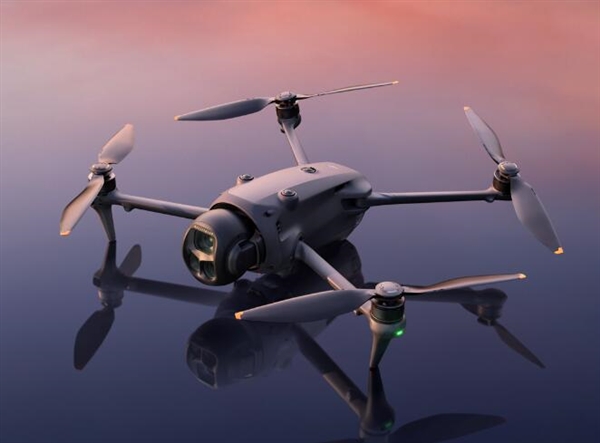
The impact of drones extends beyond mere surveillance, encompassing precision strikes. Drones equipped with advanced targeting systems can neutralize specific threats with minimal collateral damage. This precision is vital in maintaining ethical standards during conflicts, reducing unintended casualties, and aligning military actions with international laws of engagement. Furthermore, drones minimize risks to human life, a critical ethical consideration in military operations. Remote control allows operators to execute missions from a safe distance, preserving human life and enabling continuous operations regardless of extreme environmental conditions.
However, the rapid adoption of drone warfare is not without challenges. The reliance on drones raises ethical and legal questions regarding the sovereignty of airspace and the right to execute lethal operations remotely. The potential for misuse or accidents due to technical failures requires robust oversight and internationally agreed regulations to ensure the responsible use of drones in combat zones. Additionally, the advent of drone technology prompts adversaries to devise countermeasures, leading to an ongoing technological arms race where stealth, AI, and defensive mechanisms play crucial roles.
Frequently Asked Questions
- What are the ethical implications of drone warfare?
- Drone warfare raises concerns over civilian casualties and sovereignty violations. It’s crucial to establish transparent regulations to minimize potential misuse and ensure compliance with international humanitarian laws.
- How does drone warfare alter traditional military strategies?
- Drones introduce new tactical possibilities, such as enhanced surveillance and precision strikes, prompting military forces to adapt by developing advanced technologies and strategic doctrines tailored to the capabilities drones offer.
- What are the limitations of drone warfare?
- The effectiveness of drones can be curbed by technical malfunctions, sophisticated enemy countermeasures, and legal constraints imposed by international regulations, underscoring the need for comprehensive development and oversight.
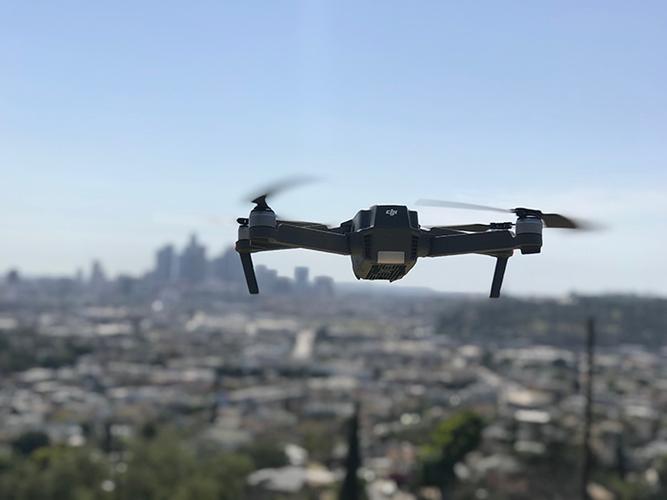
In conclusion, the strategic impact of drone warfare is profound, offering both opportunities and challenges that redefine conflict dynamics. As nations continue to explore and implement unmanned aerial technology, drones are set to remain a cornerstone of military strategies in the years ahead.