
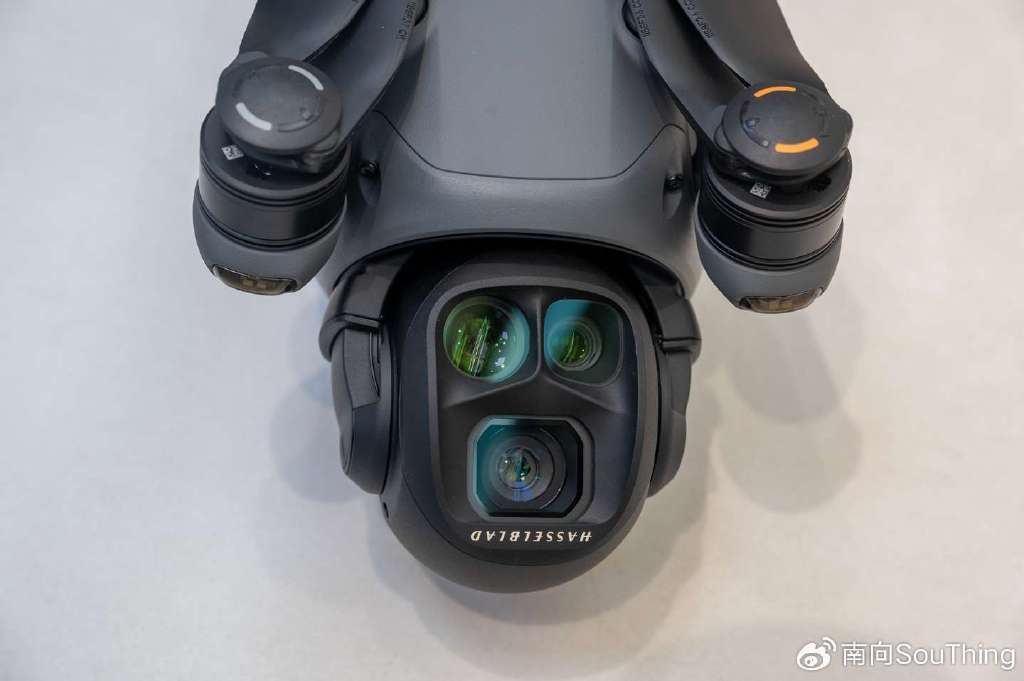
 is fundamentally changing how operators manage their flights, ensuring compliance and safety while boosting operational efficiency. This technological leap in air navigation introduces a sophisticated framework for drones, helping them coexist harmoniously with traditional aircraft.
To understand the significance of drone airspace maps, one must first comprehend the complexities of airspace itself. Controlled airspace is regulated to ensure safety among existing commercial traffic, while uncontrolled airspace allows for more flexibility yet demands cautious navigation to avoid conflicts. Drone airspace maps provide a detailed representation of these zones, guiding operators to ascertain where and how their drones can fly without breaching regulations. This is especially crucial due to the exponential rise in drone usage for both personal and commercial purposes.
The Need for Advanced Mapping Solutions
With a surge in drone applications ranging from agriculture to surveillance, creating a seamless integration into the current airspace system is imperative. Advanced mapping solutions enable real-time updates and analyses, providing a dynamic picture of airspace usage and potential hazards. Operators now have access to layered data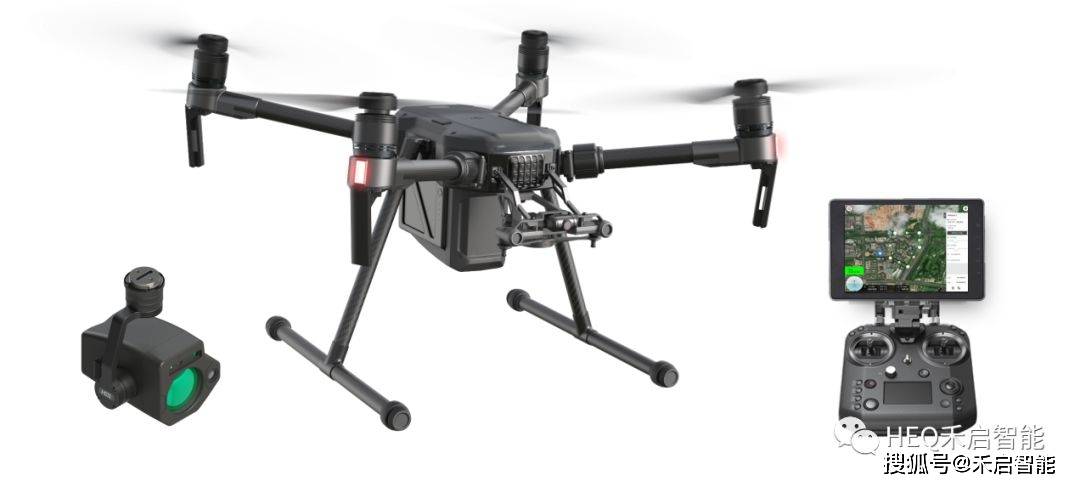 including weather patterns, geographical terrain, and real-time air traffic, all crucial components in flight planning. These maps serve as indispensable tools for ensuring safety and compliance in increasingly crowded skies.
Enhancing Security and Compliance
Drone airspace maps facilitate greater security by identifying areas with specific flight restrictions, such as near airports or military zones. This proactive approach aids in preventing unauthorized flights and potential accidents. Compliance with local regulations is made simpler through these maps, as they provide operators with clear boundaries and guidelines, reducing the risk of fines or flight bans.
Moreover, drone airspace maps are pivotal in fostering innovation within aviation. They encourage research and development by providing invaluable data for new technologies aiming to optimize air traffic management. This continual evolution within the drone sector pushes boundaries and sets new standards for unmanned aerial navigation.
- Enhanced operational efficiency
- Safety improvements
- Opportunity for technological advancements
Future Implications
Looking ahead, the integration of AI and machine learning with drone airspace maps hints at even more precise navigation systems in the future. These technologies promise automated route planning, where drones dynamically adjust their paths, responding to environmental changes and traffic flows. This innovation significantly reduces manual intervention, enhancing the reliability and independence of drone operations.
Common Questions
What is a drone airspace map?
A drone airspace map is a digital representation of the various airspace zones and conditions suitable for drone flight, helping operators plan and execute safe and compliant missions.
How do drone airspace maps benefit operators?
They provide real-time data on airspace conditions, restrictions, and weather patterns, aiding in optimal flight planning and safety assurance.
Are drone airspace maps necessary?
Yes, they are critical for ensuring safe navigation and compliance with aviation regulations as drone usage continues to expand globally.