
In recent years, drones have significantly impacted modern military bases, changing the landscape of military operations and strategy. With cutting-edge technology enabling advanced surveillance, intelligence gathering, and tactical warfare, drones have become indispensable tools in military arsenals. As the era of unmanned aerial vehicles (UAVs) continues to unfold, understanding their effects on military bases and operations is crucial.
The Rise of Drone Technology
Drone technology has rapidly evolved, enabling military forces to conduct operations with unprecedented accuracy and efficiency. From reconnaissance to targeted strikes, drones offer military bases the capability to execute missions remotely and safely, minimizing the risk to personnel. The advancement of UAVs has increased the relevance of drones in military strategies, offering a tactical edge over conventional methods.
Operational Advantages
One of the most significant advantages drones provide is enhanced surveillance. Equipped with sophisticated cameras and sensors, they gather invaluable intelligence data, providing commanders with real-time insights into enemy positions and movements. This persistent presence allows military bases to respond swiftly and accurately, often pre-empting threats before they materialize.
Logistics and Efficiency
The inclusion of drones in military bases has revolutionized logistical operations. UAVs can transport supplies, medical equipment, and even conduct search and rescue missions in challenging terrains. Their ability to fly autonomously reduces the need for large, vulnerable convoys and ensures that critical resources reach troops efficiently and safely.
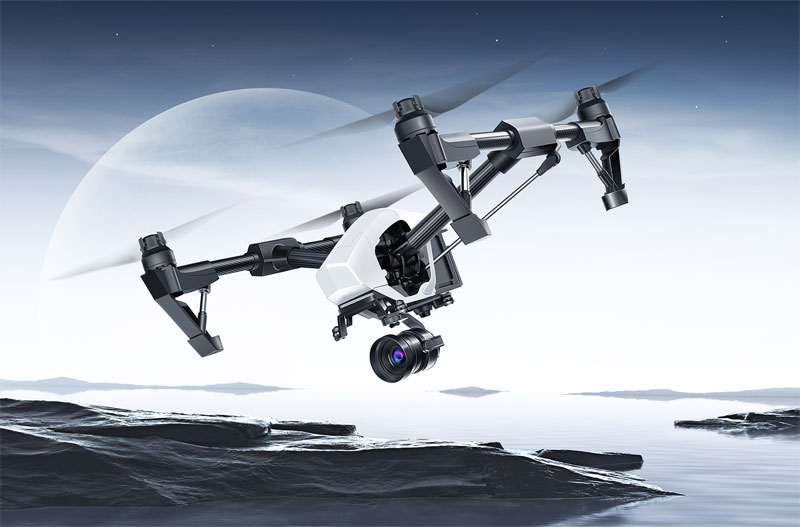
The future of drones in military bases promises even more advancements with the integration of AI and machine learning. These technologies will enhance decision-making processes and improve drone autonomy, further solidifying their role in modern warfare.
Challenges and Considerations
While drones offer numerous advantages, they also present challenges that military bases must address. Cybersecurity is of paramount importance, as drones are susceptible to hacking and interception. Ensuring robust security protocols to protect sensitive data and control systems is a critical aspect of drone operations.
Moreover, the ethical implications of autonomous warfare continue to spark debate, demanding clear guidelines and policies to govern drone usage. Military bases must balance operational efficiency with ethical standards to maintain global compliance and public trust.
Integration with Traditional Forces
To fully exploit the potential of drones, integration with traditional military forces is necessary. Building interoperability between drones and ground, naval, and air units enhances operational coherence and streamlines command structures. Military bases are increasingly investing in training programs to ensure seamless coordination and effective utilization of drones in conjunction with conventional forces.
- How do drones enhance security at military bases? Drones enhance security by providing continuous surveillance and gathering intelligence, allowing military bases to detect and respond to threats quickly.
- What are the limitations of military drones? Limitations include cybersecurity risks, operational range constraints, and ethical considerations regarding autonomous missions.
- Will drones fully replace traditional military methods? While drones offer significant advantages, they will complement rather than replace traditional methods, ensuring comprehensive defensive and offensive strategies.