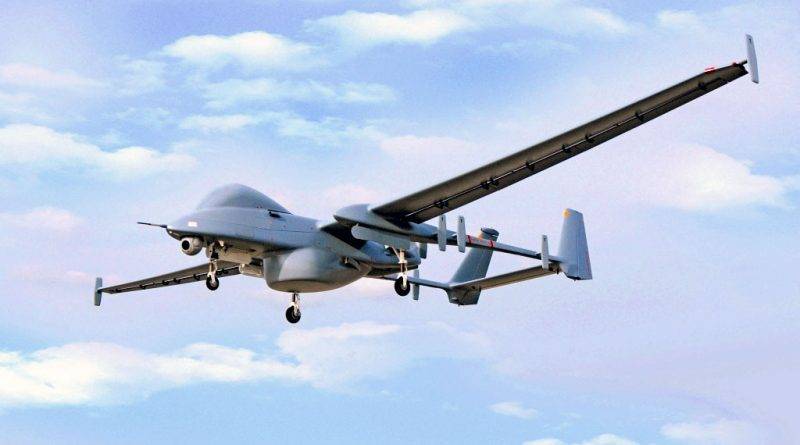
One significant innovation in the world of drones is the integration of AI and machine learning algorithms. These advancements have empowered drones with the ability to perform complex tasks autonomously, such as optimizing flight paths and avoiding obstacles. As these technologies continue to mature, we can expect drones to become even more intelligent and responsive.
Drone Applications
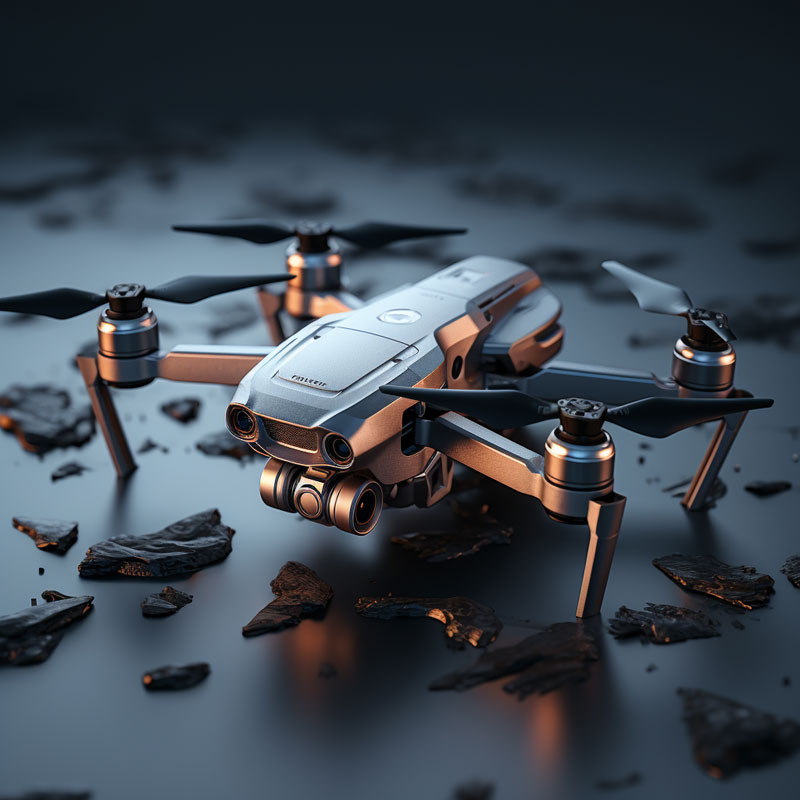
The scope of drone usage is vast, ranging from aerial photography and film-making to search and rescue operations. One noteworthy application is in agriculture, where drones are used for precision farming. Equipped with multispectral sensors, drones can assess crop health and optimize water and fertilizer usage, leading to increased yields and reduced operational costs for farmers. Construction is another sector that has seen significant benefits from drones update. By providing aerial surveys, drones allow for more accurate site assessments and progress tracking, reducing the need for manual inspections and enhancing safety.
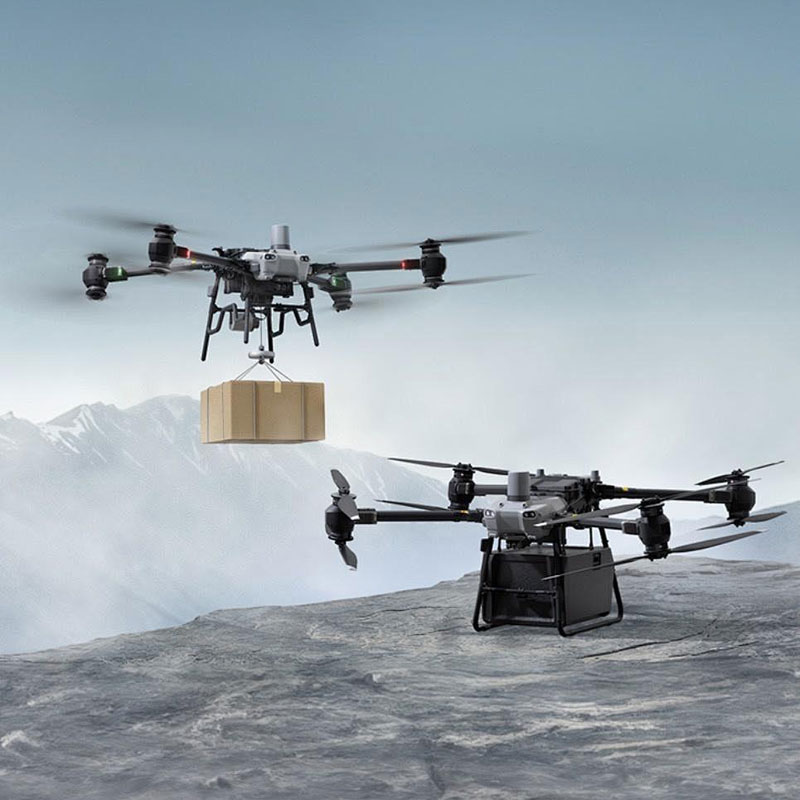
Delivery systems are arguably one of the most anticipated drone innovations. Companies like Amazon and UPS are pushing the boundaries with projects aimed at using drones for package delivery, promising faster and more efficient services. These pilot programs face regulatory hurdles and technical challenges, but the potential they hold is immense.
The Future of Drones
Looking ahead, the drone industry is poised for even more groundbreaking developments. As battery technology improves, drones will achieve longer flight times and broader operational scopes. The integration of 5G connectivity will further enhance their real-time data processing abilities and communication capabilities, making them an invaluable tool in our connected world.
One of the pressing issues affecting the future of drones is legislation. Governments worldwide are developing guidelines to ensure the safe integration of drones into airspace, addressing concerns like privacy and air traffic management. The establishment of universal standards will be crucial as drone usage continues to rise.
Frequently Asked Questions
- What are the main obstacles facing drone delivery services?
Current challenges include regulatory approval, air traffic management, and advancements in battery life. The industry is working closely with regulatory bodies to create frameworks that support safe and efficient drone operations.
- How can drones contribute to environmental conservation?
Equipped with advanced sensors, drones can monitor wildlife populations, map deforestation areas, and assist in disaster relief operations. They offer a non-intrusive means of collecting data that is vital for environmental research and conservation efforts.
- Are drones susceptible to hacking?
While all technology can be vulnerable, manufacturers are continuously improving security protocols to protect drones from potential cyber threats. Users are advised to keep software updated and utilize encryption where possible.