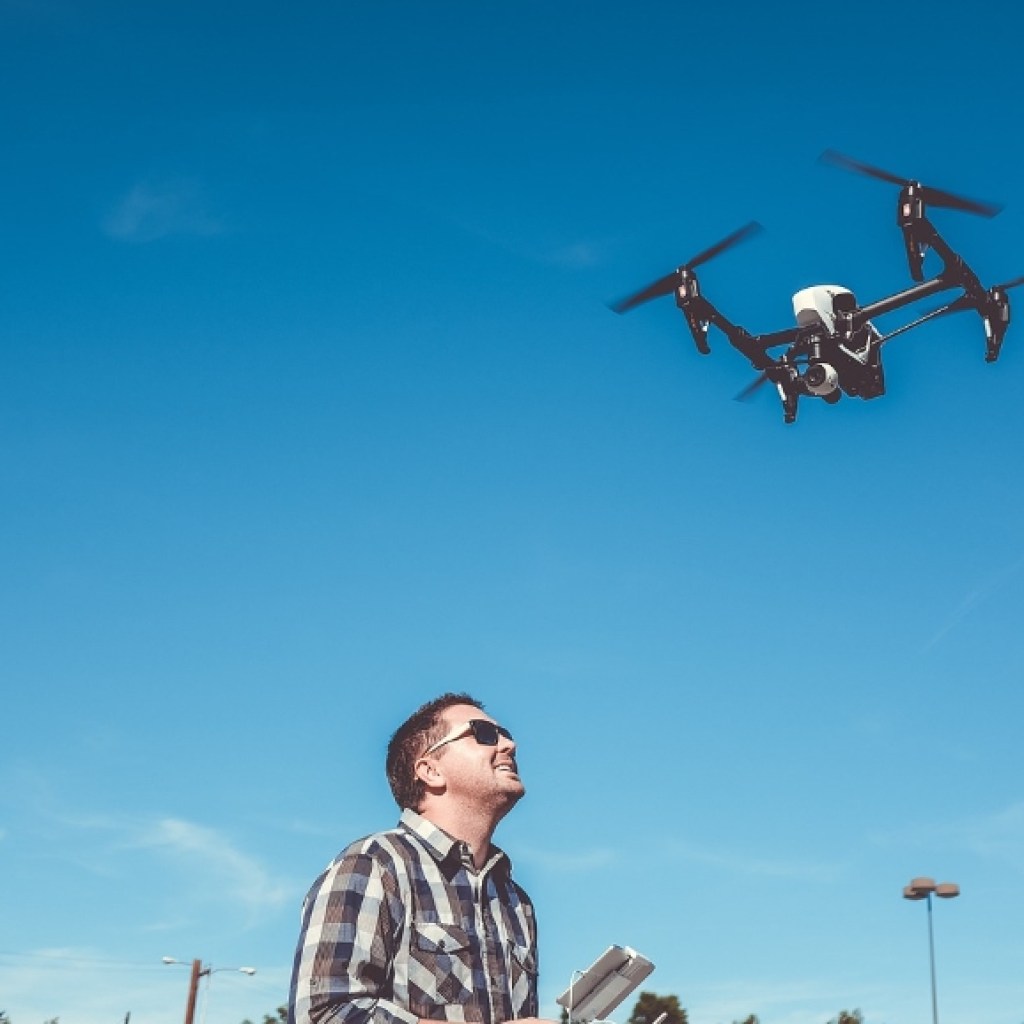
Operating a drone has become increasingly popular, whether for professional photography, videography, or simply for leisure flying. The Federal Aviation Administration (FAA) requires all drones above a certain weight to be registered. This guide will walk you through the necessary steps to register your drone with the FAA efficiently and effectively.
Step-by-step Guide to Registering Your Drone
Understanding why registration is pivotal might be the first step. Registering your drone grants you the legal ability to operate it in U.S. airspace. Plus, it’s a safeguard for national airspace security, ensuring that all flyers comply with regulations. Here’s how you can get started with registration:
Determine If You Need to Register
If your drone weighs more than 0.55 lbs (250 grams) and less than 55 lbs, FAA registration is necessary. As a drone operator, it’s crucial that you assess your drone’s specifications before proceeding.
Sign Up on the FAA Website
To simplify the registration process, the FAA has introduced an online portal for easy registration. Navigate to their official site and create an account to begin. Registration for hobbyists costs $5 per drone, and it lasts for three years.
Provide Necessary Information
Once your account is set up, you must fill in the required details about your drone. This includes model, manufacturer, and weight. Double-check the accuracy of the entered information to avoid any potential issues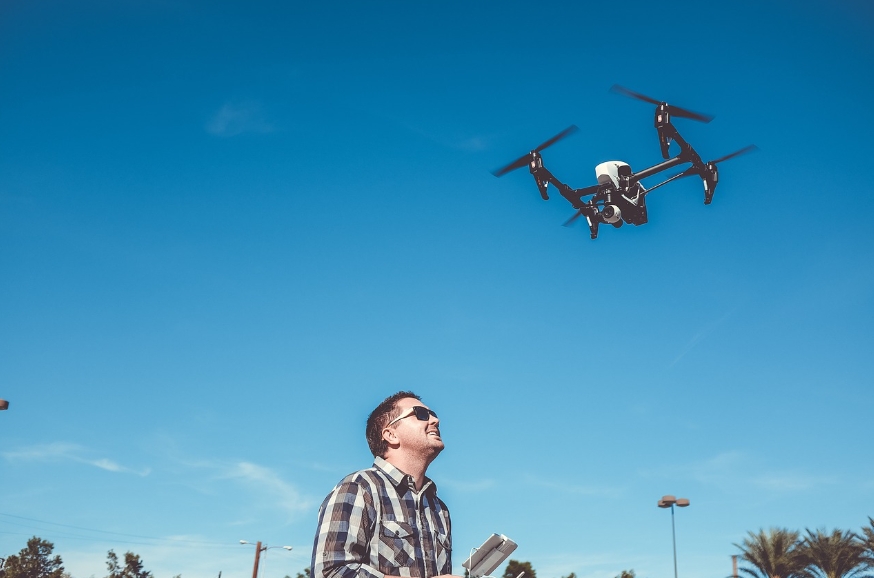 .
.
Complete the Payment
The payment for registration can be done via credit or debit card. Upon payment, you’ll receive a unique registration number that’s necessary for your drone.
Mark Your Drone
Once you’ve got your registration number, you must display this number on your drone. It can be written on a label placed inside a battery compartment or on the exterior, as long as it’s accessible without tools.
Renewal and Updates
Registration lasts for three years, after which renewal is mandatory. Any changes like ownership transfer or modifications need updating on the FAA portal. Keeping the registration current avoids penalties.
Benefits of FAA Registration
Registering with the FAA not only certifies legality but also contributes to the aviation ecosystem’s safety. By obtaining FAA registration, you’re ensuring compliance with international drone laws, paving the way for global drone usage.
Common Challenges and Solutions
If you encounter hurdles such as payment failures or incorrect entries, the FAA website offers support/contact sections for rapid assistance. Regularly updating your knowledge of drone laws also mitigates potential future issues.
FAQ
What happens if I don’t register my drone?
Failure to register can result in significant fines and restrictions from flying. It’s a legal requirement intended for airspace integrity.
Does registration cover commercial drone usage?
While hobbyists have straightforward registration, commercial use demands a Part 107 certification. It involves passing a test and additional documentation.
Can I use my drone outside the U.S. after registering with the FAA?
Registration provides compliance within the U.S. However, international operation might necessitate abiding by local laws.
In conclusion, registering your drone with the FAA is a straightforward approach that grants legitimate usage within national airspace. This act ensures you’re aligned with regulations while contributing to the integrity of drone operations worldwide.