
The use of drones over Pennsylvania has surged, capturing the interest of hobbyists, researchers, and businesses alike. These unmanned aerial vehicles (UAVs) offer a unique vantage point for photography, agriculture, real estate, and even safeguarding wildlife habitats. As the technology advances, the regulations and ethical considerations surrounding drones become paramount.
Reasons Behind the Proliferation of Drones
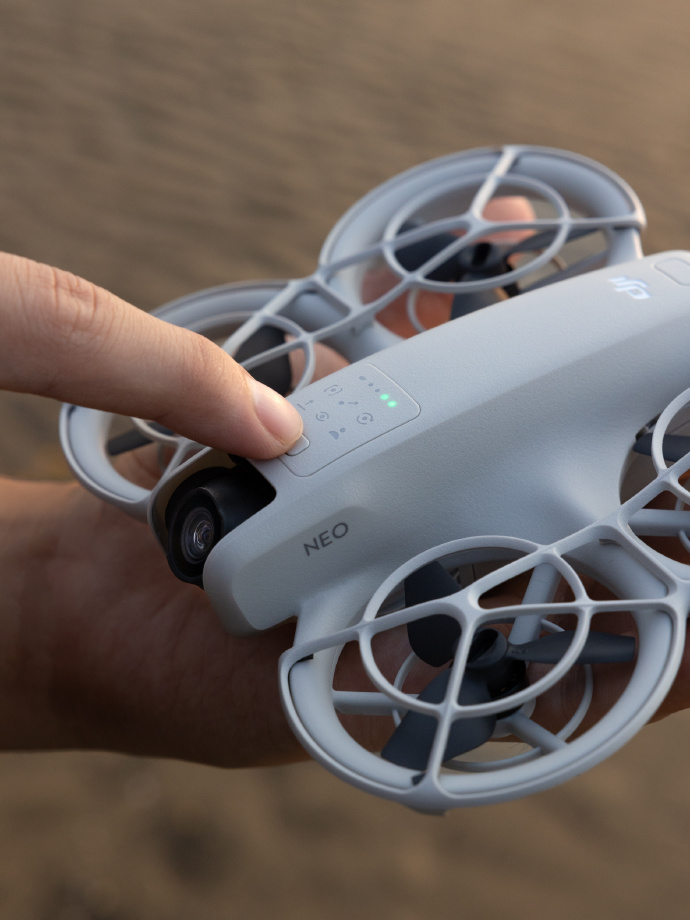
The main reasons behind this surge are affordability and accessibility. The cost of drones has decreased significantly over recent years, making it easier for individuals and companies to procure high-quality UAVs. Additionally, advancements in technology have broadened the capabilities of drones, leading to applications in various fields such as data collection, surveillance, and entertainment.
The Law: Navigating Drone Regulations
In Pennsylvania, like many states, drone usage is regulated to ensure safety and privacy. The Federal Aviation Administration (FAA) dictates that any drone weighing more than 0.55 pounds must be registered, and operators must follow specific flight restrictions, especially near airports and sensitive areas. Local laws may also impose further restrictions, requiring drone pilots to stay informed and compliant.
- Always keep your drone within line of sight.
- Do not fly over people or moving vehicles.
- Check for any local ordinances before flying.
The Ethical Concerns
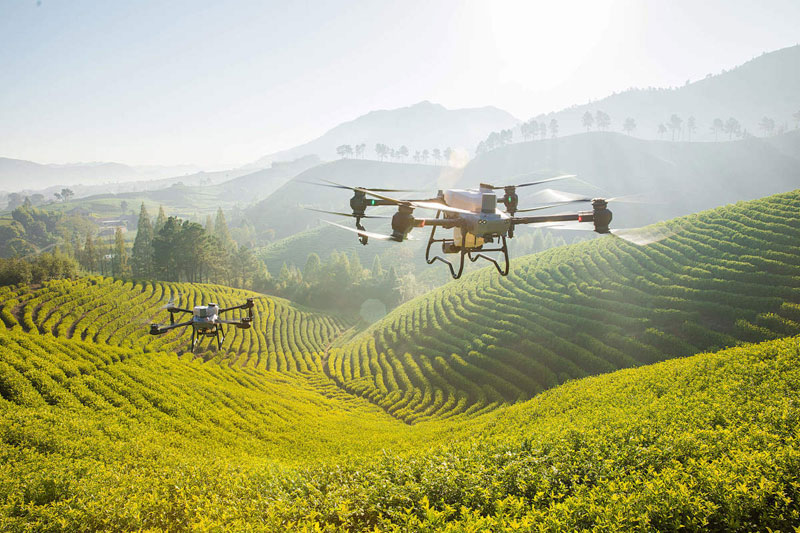
The ethical implications of drones are vast. They raise questions about privacy invasion, data security, and potential wildlife disturbances. For instance, farmers using drones to monitor crops must balance their usage against the potential disruption to the environment.
Potential Uses of Drones
From capturing picturesque landscapes to aiding in disaster relief, drones have transcended multiple industries:
- Agriculture: Precision farming techniques facilitate efficient resource management.
- Real Estate: Providing aerial views enhances property listings.
- Environmental Conservation: Monitoring wildlife habitats and tracking animal movements.
Challenges Faced by Drone Enthusiasts
While excitement for drone technology is high, challenges persist. Weather conditions can affect flight performance, making it essential for operators to plan accordingly. Moreover, with increased drone traffic, there are concerns about airspace congestion and potential conflicts with manned aircraft.
Drones have the potential to revolutionize industries, but responsible flying is crucial.
A key consideration for any drone operator is understanding their machine’s technical limits and ensuring all operations comply with existing laws and ethical guidelines.
FAQs on Drones Over Pennsylvania
Q1: What is the penalty for flying an unregistered drone in Pennsylvania?
A: Flying an unregistered drone can lead to fines and confiscation of the UAV. Compliance with FAA regulations is necessary to avoid legal consequences.
Q2: Can drones be used at night in Pennsylvania?
A: Yes, but it requires special authorization from the FAA, including anti-collision lighting to ensure safety and visibility.
Q3: How can drones aid in environmental conservation?
A: Drones can monitor habitats, track wildlife, and support conservation efforts through efficient and non-intrusive methods.