
The rapidly advancing realm of aircraft drones has revolutionized numerous industries, showcasing an evolution that blends the line between autonomous aerial vehicles and traditional aircraft. This transformation is characterized by cutting-edge drone technology that ranges from pioneering navigation systems to enhanced operational efficiency. Not only are these innovations reshaping the landscape of aviation, but they are also paving the way for unprecedented applications in fields such as agriculture, logistics, defense, and environmental monitoring.
Unveiling the Scope of Aircraft Drone Technology
Aircraft drones have ascended beyond their initial military use and are now indispensable in various civil domains. Their widespread adoption can be attributed to their capability to perform tasks that are otherwise challenging for human-operated vehicles. For instance, in precision agriculture, drones equipped with high-resolution cameras and sensors provide real-time data, helping farmers optimize crop management by assessing soil health and monitoring plant growth.
Enhancing Safety and Efficiency
One of the primary advancements in drone technology is its significant contribution to flight safety and mission efficiency. By utilizing sophisticated algorithms, drones can navigate complex environments autonomously, mitigating risks associated with human error. Moreover, modern drones are equipped with collision avoidance systems that utilize LIDAR and radar technology, ensuring safe operation even in crowded airspaces.
- Advanced Sensors: These sensors enable drones to detect and avoid obstacles, making them ideal for tasks like search and rescue missions or delivering medical supplies in urban environments.
- Energy Efficiency: With developments in battery technology, drone endurance and flight times have significantly increased, allowing for long-duration missions with reduced environmental impact.
The Role of AI in Drone Innovations
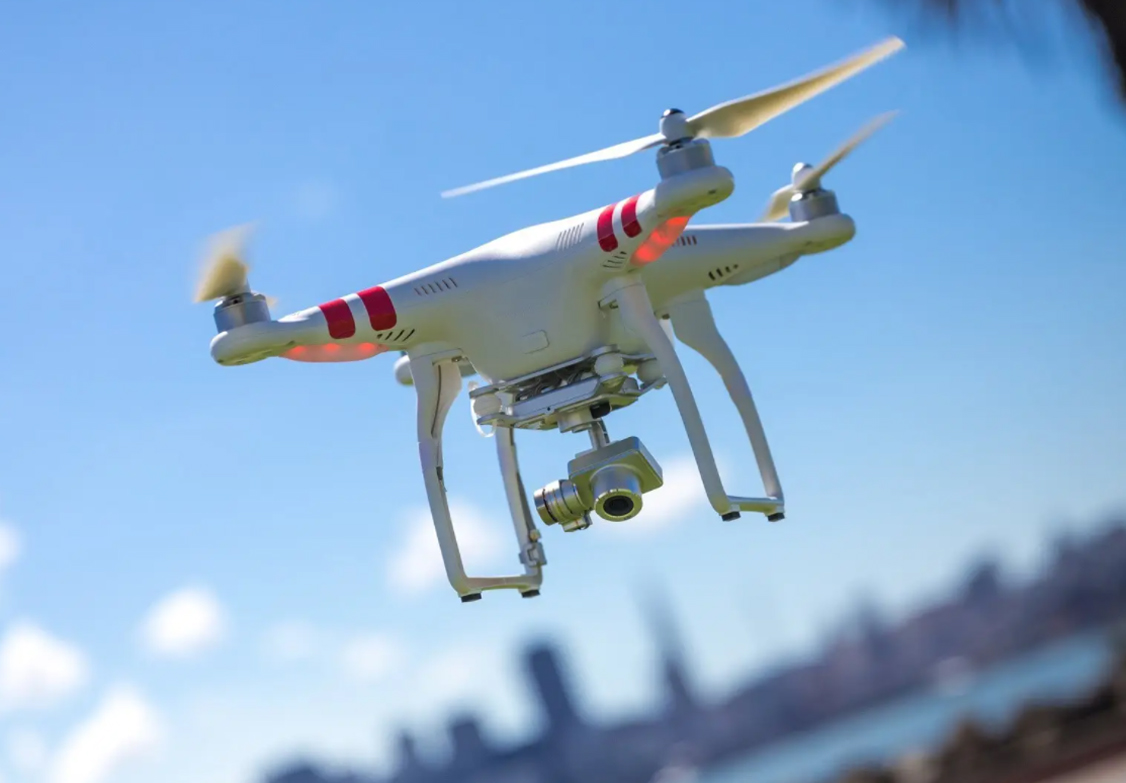
Artificial Intelligence (AI) plays a pivotal role in enhancing aircraft drones. Machine learning algorithms empower drones to analyze vast datasets collected during flights, optimizing performance and efficiency for specific missions. For example, AI-driven drones can track and predict weather patterns, enabling them to adjust flight paths dynamically, which is vital for operations like firefighting or disaster relief.
Communication and Control Systems
Recent advances in communication systems have allowed drones to operate with greater autonomy and precision. The adoption of 5G technology has been a game-changer, providing faster data transmission and enhancing the real-time decision-making capability of drones. This development supports seamless integration with other autonomous systems, fostering collaborative operations across different platforms.
“The future of aircraft drones is intertwined with the growth of AI and telecommunications, promising smarter, more capable, and versatile aerial vehicles.”
Legal and Ethical Considerations
With the proliferation of drones, regulatory frameworks have become crucial in ensuring their safe and ethical deployment. Governments worldwide are establishing guidelines to manage airspace sharing, privacy concerns, and security risks. It is essential for stakeholders to collaborate, creating a balanced approach that promotes innovation while safeguarding public interests.
Challenges and Solutions
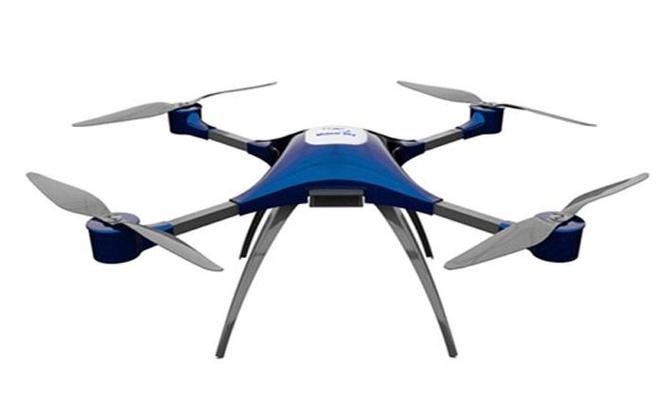
Despite the remarkable progress, challenges such as air traffic management and cybersecurity persist. However, research is underway to develop solutions like UAV Traffic Management (UTM) systems and enhanced encryption protocols that promise to address these issues effectively.
Future Prospects of Drone Technology
The horizon for aircraft drones is expansive, with future developments expected in autonomy, swarm technology, and service integration. The potential for harnessing renewable energy to power drones and advancements in quantum computing could further accelerate innovation in this sector. Such progress will allow drones to play a more integral role in smart city infrastructure and environmental conservation efforts.
FAQs about Aircraft Drones
What industries benefit the most from drone technology?
Several industries, including agriculture, logistics, filmmaking, and energy, reap significant benefits from drones due to their precision, efficiency, and cost-effectiveness.
Are aircraft drones safe to use?
Yes, when operated within regulated guidelines and equipped with safety features such as collision avoidance systems, drones can be securely utilized for numerous applications.
How is AI influencing the future of drones?
AI is enhancing drones by providing them with capabilities like autonomous navigation, object detection, and predictive analytics, making them more efficient and adaptable.