
Amazon’s venture into delivery drones is not just about faster deliveries, but also represents a significant leap forward in modern technology. With the introduction of Amazon delivery drones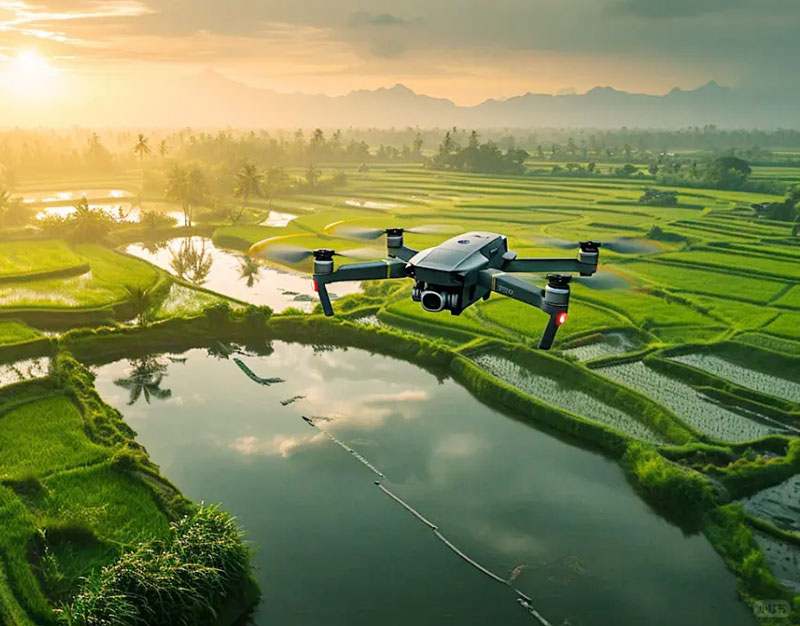 , the company aims to revolutionize the logistics and transportation sectors. These autonomous flying machines are designed to transport packages swiftly and efficiently, reducing human intervention and potentially lowering operational costs.
Understanding the Technical Aspects
The development of Amazon delivery drones involves sophisticated technology including GPS, computer vision, and advanced algorithms to ensure seamless navigation and accurate deliveries. Equipped with numerous sensors, these drones can detect obstacles, calculate optimal flight paths, and land safely at designated delivery points. The propulsion and design of these drones ensure that they can withstand challenging weather conditions, which broadens the scope of their applicability globally.
Impact on E-commerce and Retail
The introduction of Amazon delivery drones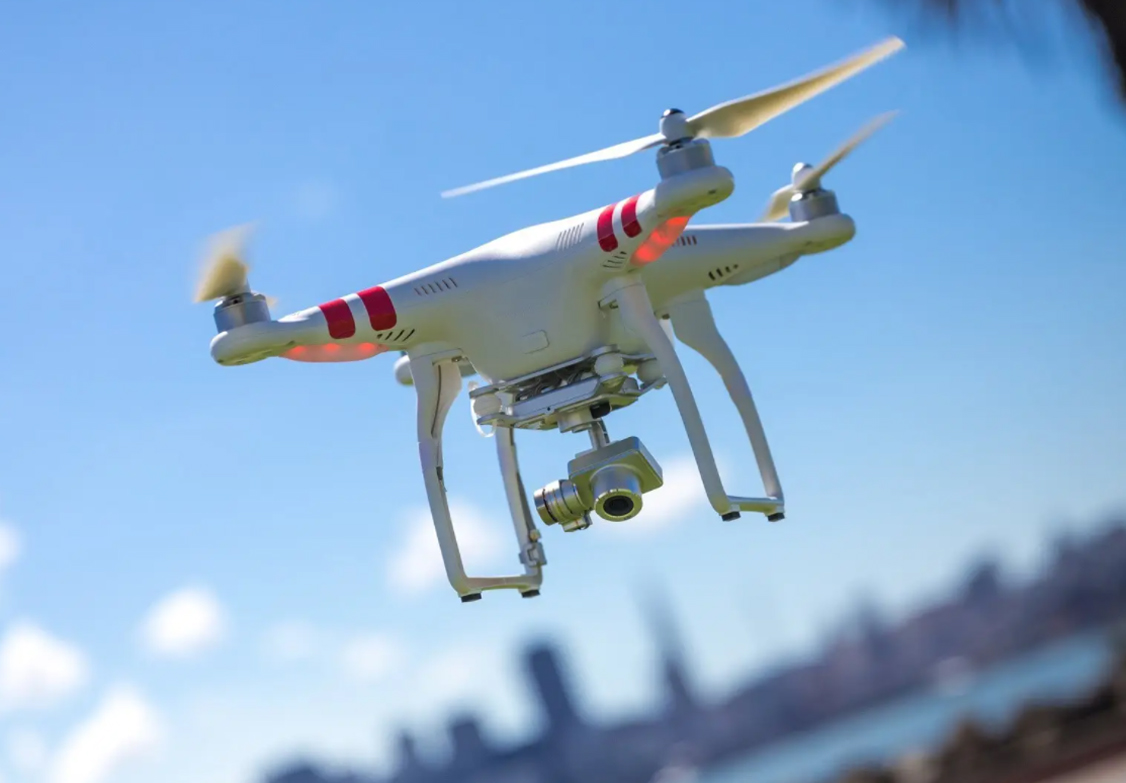 promises faster delivery times, which is a crucial competitive advantage for e-commerce giants. Consumers might soon enjoy the convenience of receiving their purchases in mere minutes after ordering. This speedy service can lead to increased customer satisfaction and could potentially encourage more spontaneous purchases. The logistical capabilities provided by drones could also enable retailers to keep lesser stock in physical stores, paving the way for more streamlined operations.
Environmental Benefits
In addition to operational efficiency, Amazon’s drones offer environmental advantages. By replacing traditional road transport, they can potentially reduce carbon emissions significantly. Electric drones operate without the fossil fuels that contribute to environmental degradation, making them a greener alternative. Moreover, their ability to deliver directly to customers reduces the need for extensive packaging, further mitigating environmental impact.
Challenges and Regulations
Despite their potential, there are significant challenges facing the widespread use of delivery drones. Regulatory hurdles, privacy concerns, and technical limitations need to be addressed comprehensively. Governments around the world are still working on establishing airspace regulations that allow drones to operate safely alongside manned aircraft. Furthermore, issues such as battery life and carrying capacity are technological barriers that require ongoing innovation to overcome.
Amazon continues to conduct rigorous testing to ensure the safety and reliability of its delivery drones. Collaboration with regulatory bodies is essential to refine legal frameworks that balance innovation with safety and privacy considerations.
Security and Privacy Concerns
Another dimension to consider is the security and privacy concerns that accompany drone deliveries. As these drones employ cameras and sensors for navigation, there is a potential risk to citizens’ privacy. Amazon must ensure robust data protection measures are in place to prevent misuse of information gathered during deliveries.
FAQ
How will Amazon delivery drones handle bad weather?
Amazon’s drones are designed with advanced weather-resistant features including robust materials and adaptable flight algorithms to operate in less-than-ideal conditions.
What types of items can Amazon delivery drones transport?
Currently, these drones are optimized to carry lightweight packages, but ongoing research aims to increase their capacity for heavier items.
Are there geographical limitations to Amazon delivery drones?
While drones have a limited flight range, Amazon is actively working on extending this capability to reach more remote locations.