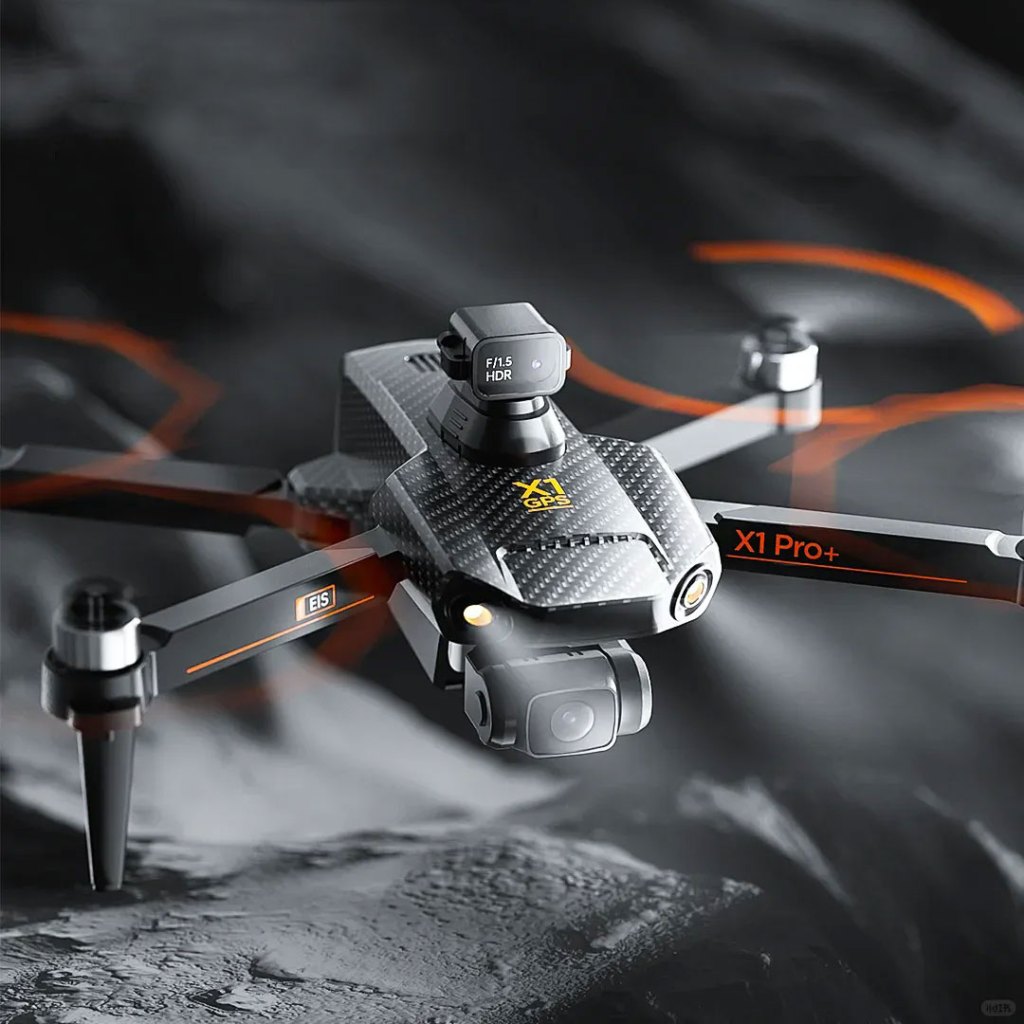
In recent years, 3D printed drones have revolutionized the way we envision unmanned aerial vehicles (UAVs). These cutting-edge devices leverage 3D printing technology, offering a myriad of benefits to both hobbyists and professionals across various industries. But what exactly sets these drones apart, and how are they being used to reshape the skies?
To start, 3D printing allows for rapid prototyping and customization of drone components, enabling designers to explore unique designs that cater to specific needs. The versatility of 3D printing means that drones can be tailored to carry different payloads, improve aerodynamics, or incorporate new technologies without the constraints of traditional manufacturing methods.
The ability to produce complex geometrical shapes that are lightweight yet strong is one of the standout advantages.
Enhanced Efficiency and Cost Reduction
Traditional drone manufacturing can be costly due to the need for molds and specialized equipment, but 3D printing mitigates these expenses. Material costs are minimized as only the necessary amount is used, reducing waste significantly. Moreover, the time from conception to flight can be shortened dramatically since changes to the design can be implemented swiftly with minimal overhead.A crucial application of 3D printed drones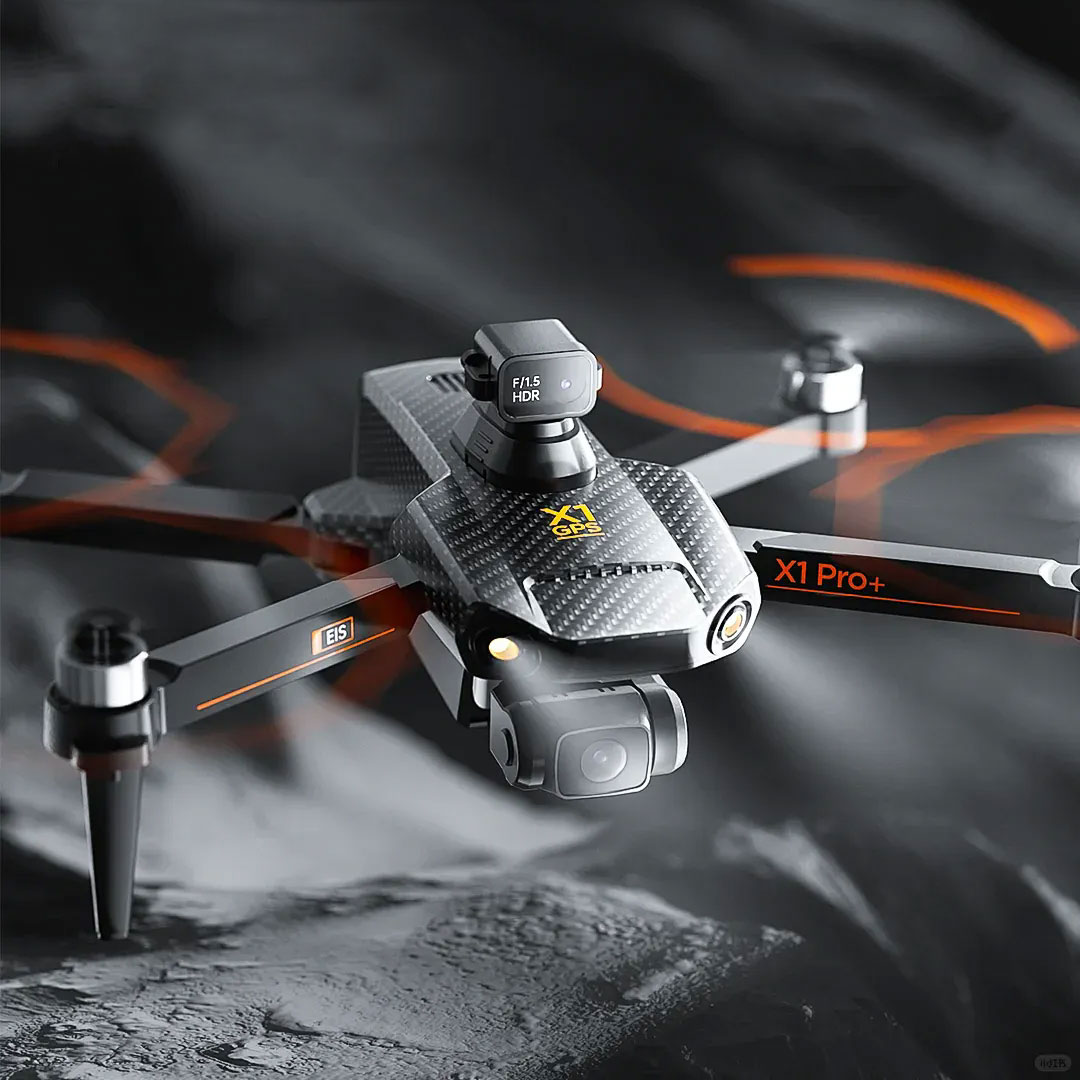
 is in agriculture. They are being deployed to monitor crop health, optimize irrigation systems, and ensure efficient pest control. The lightweight and customizable nature of these drones make them excellent tools for precision agriculture, where understanding various micro-environments within a farm can lead to better yield and sustainability.
Sustainability is at the heart of 3D printed drone technology, with environmentally friendly materials being frequently employed in their construction.
In the realm of search and rescue, these drones provide significant advantages. When disaster strikes, time is of the essence, and 3D printed drones can be rapidly customized and deployed to navigate through hazardous terrains, deliver medical supplies, or even pinpoint locations of individuals in distress. The adaptability in design allows them to be equipped with cameras, heat sensors, or other tools crucial for life-saving missions.
Innovation in Personal Use
Not only are 3D printed drones transforming industries, but they are also empowering hobbyists with newfound creativity. Enthusiasts can print their own drones from home, experimenting with designs and functionalities that enable personal exploration or aerial photography. The hobbyist community thrives on the collaborative nature that comes with open-source 3D printing designs, fostering innovation beyond commercial models.Looking towards the future, the potential of 3D printed drones in space exploration is beginning to be tapped. Experts are exploring the idea of deploying these drones on planets with different atmospheres than Earth. The adaptability of 3D printing to create drones capable of surviving unique environments presents thrilling possibilities for extraterrestrial exploration. Additionally, in urban areas, they promise a new wave of drone delivery systems, with companies investing in research to bring efficient, low-cost, and flexible delivery solutions to crowded cityscapes.
FAQs
- Are 3D printed drones more reliable than traditional drones?
- Reliability can vary; however, 3D printed drones offer customization that can lead to improved performance in specific applications.
- What materials are used for producing 3D printed drones?
- Common materials include plastics like PLA or ABS, but more advanced composites and metal alloys are increasingly employed for durability.
- Can 3D printed drones support large payloads?
- While they excel in lightweight categories, 3D printed drones are being developed to handle larger payloads, depending on design and materials used.
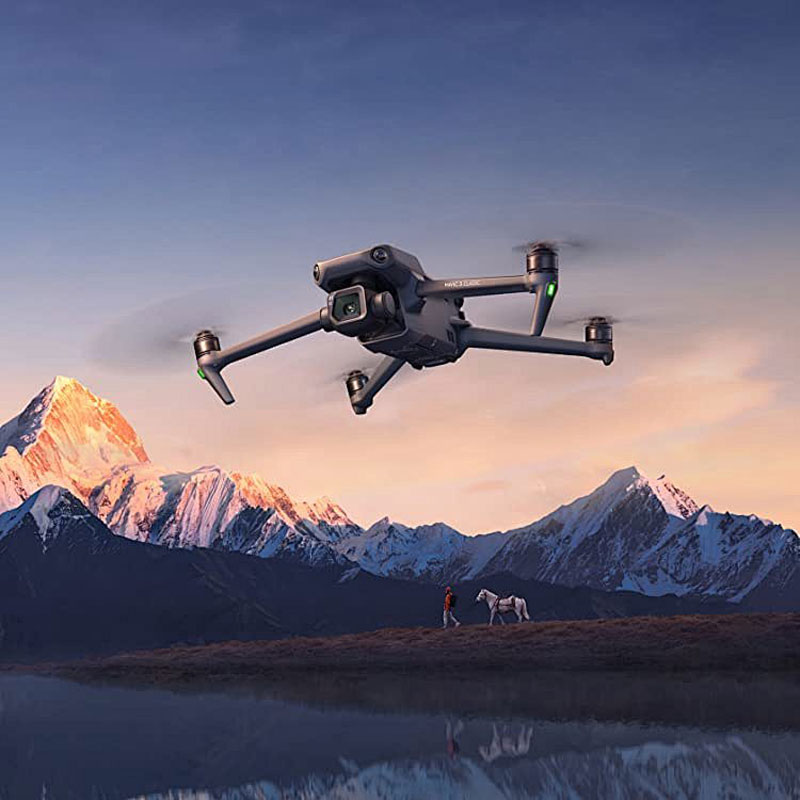
As innovation continues to propel the development of these drones, we expect to see an expanded scope of their applications, integrating them further into commercial, personal, and experimental fields. The sky is no longer the limit when it comes to the potential of 3D printed drones.