
The utilization of drone strikes has become increasingly prevalent in modern warfare, transforming the landscape of military operations worldwide. This approach, renowned for its accuracy and efficiency, raises critical questions about its implications for global security and humanitarian concerns. In this analysis, we delve into the multifaceted impact of drones in conflict zones and beyond.
The Rise of Drone Technology
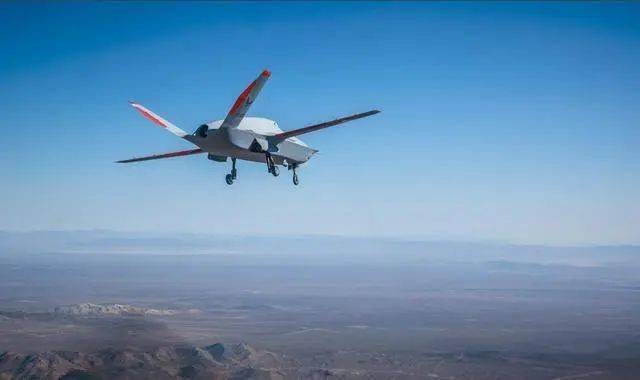
Drone technology has witnessed expansive growth over the past two decades, revolutionizing how military engagements are conducted. Nations harness drones for intelligence gathering, surveillance, and precision strikes, ensuring minimum collateral damage. This technological shift signifies a move towards high-tech warfare where agility and precision are prioritized.
Advantages of Drone Strikes
- Enhanced accuracy: Drone strikes enable precise targeting while reducing the risk to ground troops.
- Cost-effective: The deployment of drones often incurs less expense compared to traditional military operations.
- Real-time intelligence: Drones provide up-to-date information, allowing for immediate decision-making and action.
These factors collectively contribute to the strategic superiority of employing drones, driving their widespread adoption in volatile regions.
Ethical and Humanitarian Considerations
Despite the tactical benefits, drone strikes are subject to significant ethical scrutiny. Concerns about civilian casualties and the psychological impact on populations living under constant surveillance are frequently highlighted by humanitarian organizations. The ambiguity surrounding the legality and accountability of such operations further complicates these ethical debates.
Case Studies
Examining specific instances where drone strikes have been employed reveals complex narratives of success and controversy. By analyzing case studies from regions like the Middle East and Africa, we can grasp the profound consequences on local communities and international relations.
Drone Strikes and International Politics
The geopolitical ramifications of drone strikes cannot be underestimated. Nations possessing advanced drone capabilities wield significant influence in diplomatic dialogues, reshaping power dynamics in key global territories. As more countries acquire drone technology, it becomes imperative to establish international regulatory frameworks to mitigate risks and promote ethical usage.
Future Trends
With ongoing advancements in technology, the future of drone strikes appears poised for further innovation. Autonomous drones, enhanced AI-driven targeting systems, and new applications in non-military contexts present transformative possibilities. However, it also demands robust governance to address potential misuse and ensure ethical deployment.
FAQs on Drone Strikes
- Q: How are drone strikes regulated internationally?
A: International regulatory frameworks are still evolving, with efforts aimed at establishing norms and maintaining accountability for the use of drones in conflict. - Q: Do drone strikes contribute to long-term regional stability?
A: While they may offer short-term tactical advantages, the long-term impact often depends on broader political and humanitarian strategies employed alongside military actions. - Q: What technological advancements are anticipated in drone warfare?
A: Emerging advancements include enhanced AI capabilities, autonomous operations, and better integration with other technological systems, potentially broadening the scope and efficiency of drone usage.