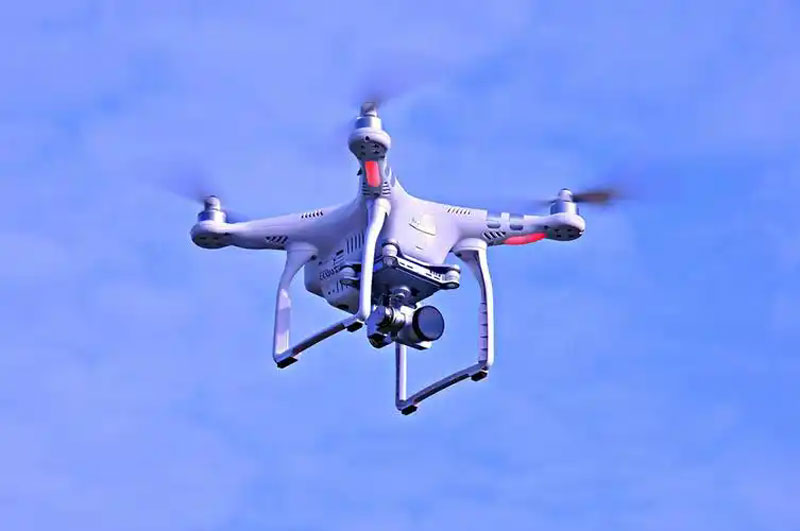
Discover the Future of Aquatic Exploration with Water Drone Innovation
The realm of aquatic exploration is witnessing a revolutionary transformation, thanks to the surge in water drone technology. These sophisticated devices are reshaping the way we understand and interact with our water environments, offering unprecedented access to the depths and mysteries of oceans, seas, and other aquatic terrains. By leveraging cutting-edge technologies, water drones are paving the way for new discoveries, scientific advancements, and even recreational activities.
Water drones, often referred to as aquatic drones or underwater UAVs (Unmanned Aerial Vehicles), have become essential tools for researchers and enthusiasts alike. These drones possess the unique capability of traversing water surfaces, diving to considerable depths, and collecting valuable data that was previously challenging to procure. With their advanced GPS systems, sonar equipment, and onboard cameras, water drones provide an immersive experience, allowing users to explore underwater ecosystems from the comfort of their location.
The implications of water drones are vast and multifaceted. In scientific research, these devices facilitate the study of marine biology, oceanography, and hydrology by capturing high-resolution images and real-time data. Environmentalists use water drones to monitor pollution levels, track marine wildlife, and map underwater landscapes. This technology contributes significantly to the sustainability of aquatic environments by enabling proactive measures and informed conservation strategies.
Enhancing Marine Discoveries
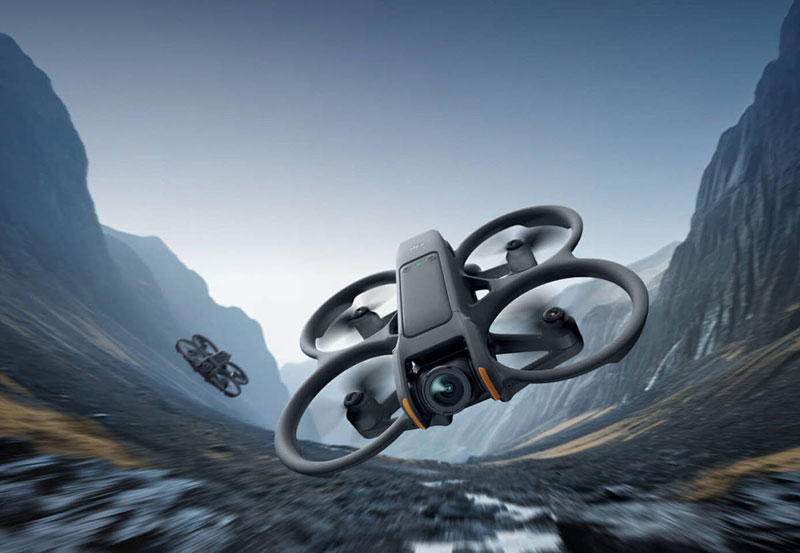
Water drones are instrumental in enhancing our understanding of marine life and oceanic cycles. By providing access to regions that are difficult and hazardous for divers, they open new horizons for exploration and research. Equipped with sensors that measure temperature, salinity, and a plethora of other critical parameters, these drones empower scientists to study environmental changes and assess the health of aquatic habitats.
The Recreational Aspect
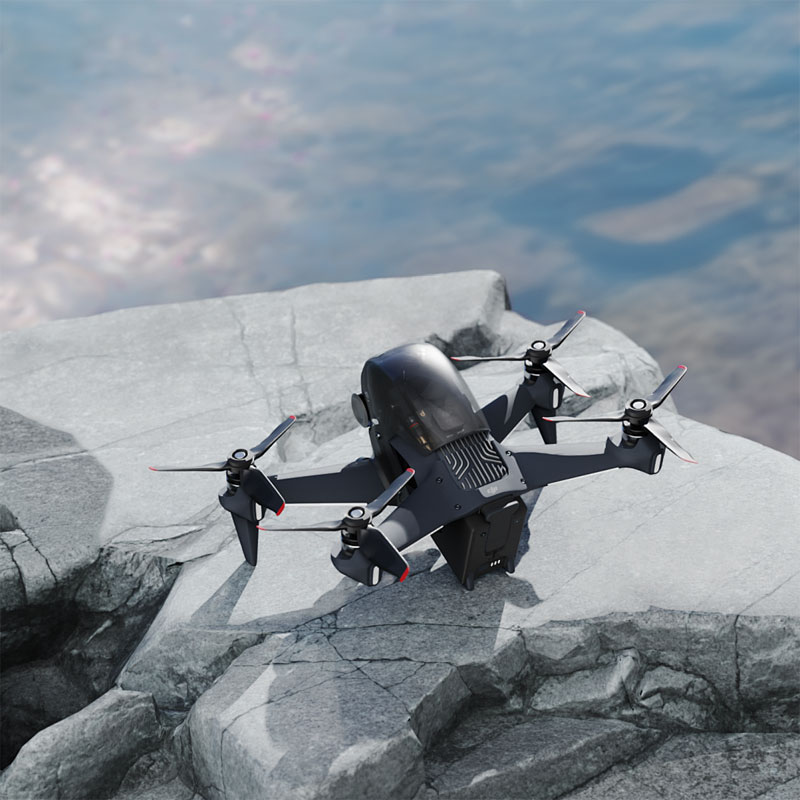
Beyond professional applications, water drones offer exciting opportunities for recreation. Enthusiasts and hobbyists can experience the thrill of underwater exploration, capturing mesmerizing footage of aquatic environments. Whether it’s exploring a local lake, river, or the vast ocean, water drones make it accessible to observe aquatic life and geological phenomena.
Commercial Uses and Innovations
Lately, the commercial sector is recognizing the potential of water drones. Industries such as fishing, shipping, and tourism are integrating these devices into their operations. Fishermen benefit from drones by identifying fish-rich zones, while tourism companies offer clients interactive underwater tours. The shipping industry utilizes drones for hull inspections and salvage operations, which increases safety and reduces costs.
Navigating Challenges with Water Drone Technology
While the promise of water drone technology is exciting, there are challenges that need to be addressed to maximize their efficiency. Battery lifespan, signal transmission, and resistance to harsh underwater conditions are among the technical hurdles faced by developers. Each challenge presents an opportunity for innovation, and continuous research efforts are underway to improve the reliability and capabilities of these devices.
FAQs about Water Drones
- What is the maximum depth a water drone can reach?
Most commercial water drones can dive up to 100 meters, although specialized models for scientific research can reach deeper depths.
- Are water drones environmentally friendly?
Yes, water drones are designed to minimize environmental impact. They run on electric batteries and are programmed to avoid disturbing marine life.
- Can water drones operate in saltwater?
Absolutely, water drones are built to handle various environments, including saltwater, due to their durable materials and design.