
Technological Advancements
The design of the RQ-1 Predator drone is a marvel of engineering, combining cutting-edge technology with practical functionality. Equipped with sophisticated sensors and cameras, the drone offers high-resolution imagery and real-time data transmission, making it invaluable for reconnaissance missions. With a wingspan of over 40 feet, the aircraft can stay airborne for extended periods, powered by a reliable engine that ensures efficiency and endurance.
One of the significant innovations of the Predator drone is its remote piloting capability, allowing operators to control the aircraft from thousands of miles away.
This remote operation not only minimizes risks to human life but also enables strategic deployment across a wide range of geographical locations.
Why It Matters The RQ-1 Predator drone plays a crucial role in military strategy, offering a discreet method of monitoring enemy movements and gathering actionable intelligence. Its presence has reshaped the battlefield, providing commanders with the information required to make informed decisions without risking personnel. By utilizing drones like the Predator, the military has gained a significant advantage, adapting quickly to dynamic situations with precision and accuracy.
Versatile Applications
Beyond military applications, the Predator drone has also shown potential in humanitarian efforts and environmental monitoring. Its capabilities in providing aerial views and real-time data can help in disaster response situations, such as assessing damage after natural calamities and coordinating relief efforts. This versatility demonstrates the broader potential of drone technology in contributing to global welfare.
The RQ-1 Predator’s technology is not just about warfare but also about advancing our understanding of remote sensing and real-time analysis.
Operators and scientists are finding new ways to leverage its capabilities for peaceful purposes, exploring possibilities in wildlife conservation and climate studies.
- FAQ
- What makes the RQ-1 Predator drone unique? Its remote piloting capability coupled with advanced sensors allows extensive reconnaissance without risking human life.
- How is the Predator drone used in non-military applications?
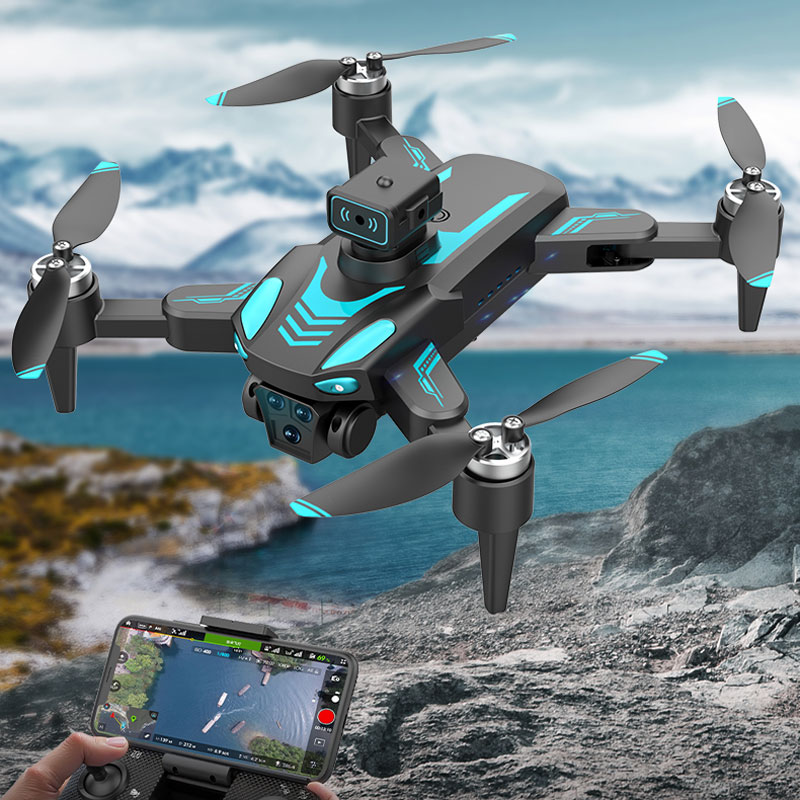
 It aids in disaster management and environmental monitoring, demonstrating its versatility beyond combat.
 - Can civilians access the RQ-1 Predator technology?
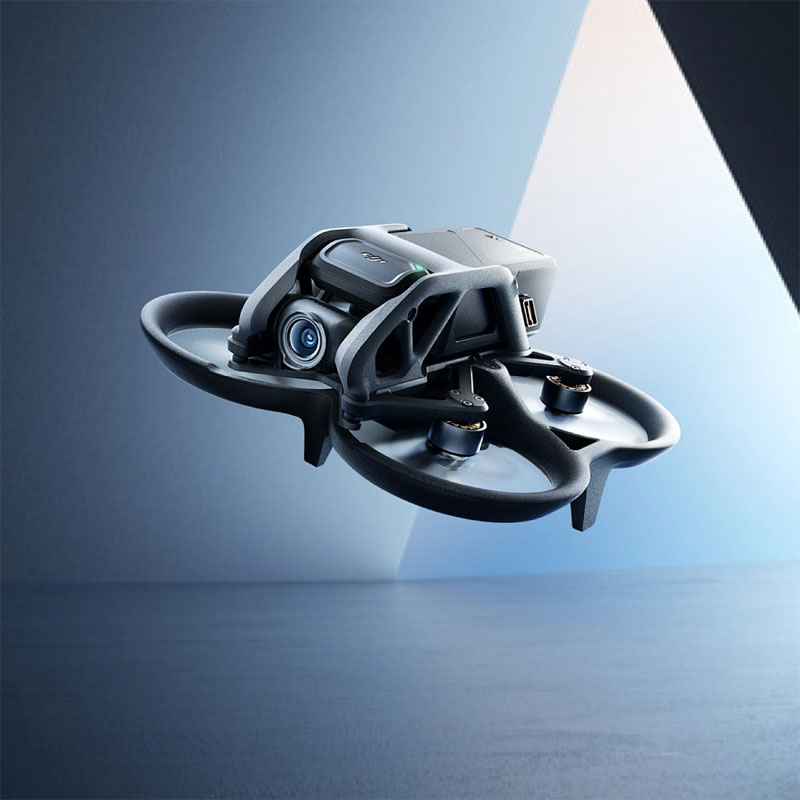 While civilian drones share some technologies, the RQ-1 is primarily reserved for governmental and military use.
The continuous evolution of drone technology ensures that the RQ-1 Predator remains at the forefront of aerial innovation, with future developments promising even greater advancements and more intricate applications. As we look to the future, the impact of drones like the Predator will only grow, shaping the way we approach challenges both in warfare and beyond. The synergy of technological progression and strategic deployment underscores the importance of the RQ-1 Predator in our increasingly complex world.